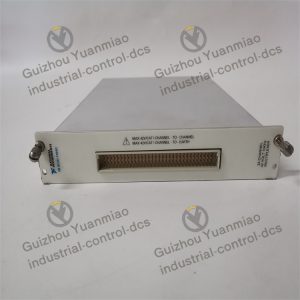
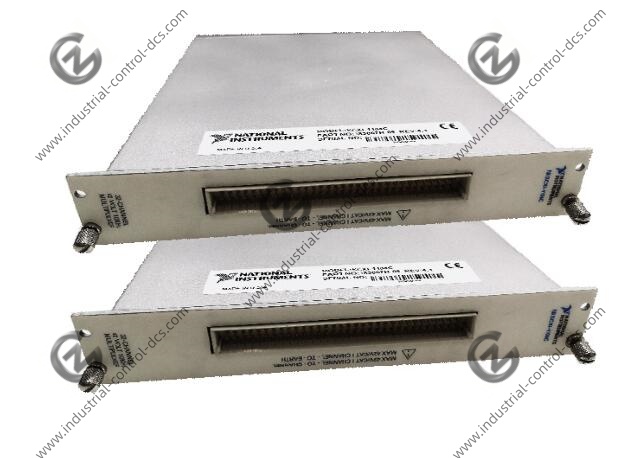
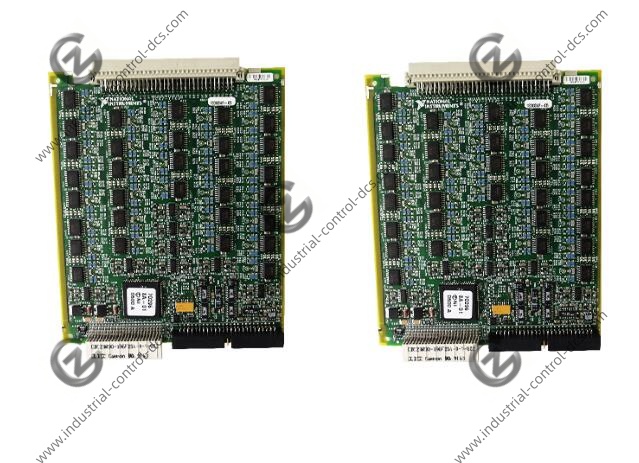
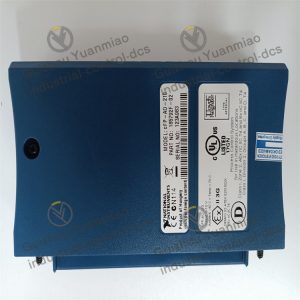
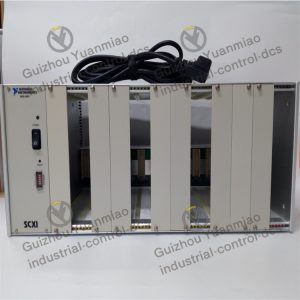
The NI SCXI-1104C is a high-density differential voltage input conditioning module released by National Instruments, designed for industrial multi-channel high-voltage voltage signal collection. It features 32 dedicated differential input channels with no single-ended mode, effectively eliminating common-mode interference in field wiring. Equipped with a fixed 10 kHz 4th-order low-pass filter, it filters high-frequency noise for stable DC and low-speed AC voltage measurement. All channels are multiplexed to occupy only one DAQ analog input channel to cut expansion costs. With built-in short-circuit protection for analog outputs and standard SCXI chassis compatibility, it supports classic NI DAQ drivers and mainstream programming environments. Though officially obsolete, it remains widely used in legacy industrial testing, power parameter monitoring and long-term static signal acquisition systems.
Telephone/WhatsApp: +86 15339537795 Email address: 2645963284@qq.com
"/>

NI SCXI-1104C 32-Channel Differential Analog Input Conditioning Module

NI SCXI-1104C 32-Channel Differential Analog Input Conditioning Module

The NI SCXI-1104C is a high-density differential voltage input conditioning module released by National Instruments, designed for industrial multi-channel high-voltage voltage signal collection. It features 32 dedicated differential input channels with no single-ended mode, effectively eliminating common-mode interference in field wiring. Equipped with a fixed 10 kHz 4th-order low-pass filter, it filters high-frequency noise for stable DC and low-speed AC voltage measurement. All channels are multiplexed to occupy only one DAQ analog input channel to cut expansion costs. With built-in short-circuit protection for analog outputs and standard SCXI chassis compatibility, it supports classic NI DAQ drivers and mainstream programming environments. Though officially obsolete, it remains widely used in legacy industrial testing, power parameter monitoring and long-term static signal acquisition systems.
Telephone/WhatsApp: +86 15339537795 Email address: 2645963284@qq.com

Description

Channel Configuration

  • 32-channel fully differential analog input (single-ended input not supported)
  • Channel-to-ground basic noise suppression without channel-to-channel isolation
  • All channels multiplexed to one DAQ analog input channel

Programmable Input Parameters

  • Input voltage range: ±50 V maximum differential input
  • Programmable gain multiples: ×1, ×2, ×5, ×10, ×20, ×50, ×100
  • Input coupling: DC-only coupling (no AC coupling option)

On-board Low-pass Filter Parameters

  • Fixed 10 kHz 4th-order low-pass filter: Maximum scan rate 12 kS/s
  • No optional bypass or low-frequency filter gears
  • Unable to suppress 50/60Hz power frequency interference without external filtering

Key Electrical Specifications

  • Input impedance: >100 MΩ
  • 60Hz CMRR: >100 dB
  • Nonlinearity: 0.004% FSR
  • Overvoltage protection: ±60 VDC continuous channel input
  • Output protection: Analog output short-circuit protected, no overvoltage protection
  • Power consumption: 2.4 W
  • No built-in CJC sensor, incompatible with direct thermocouple measurement

Mechanical & Environmental Specifications

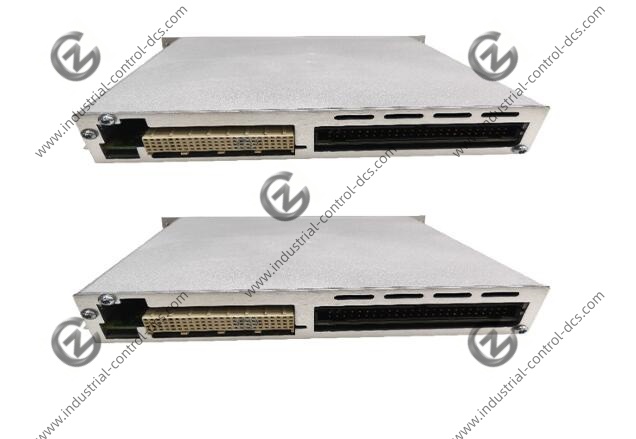
  • Front connector: 96-pin DIN shielded connector
  • Back connector: 50-pin male ribbon cable connector
  • Dimension: 172×86×32 mm
  • Operating temperature: 0℃ ~ +50℃ (narrower than isolated modules)

Software Compatibility

  • Drivers: NI-DAQmx, Traditional NI-DAQ 6.5.1 and above
  • Supported software: LabVIEW, LabWindows/CVI, C/C++, Python, VirtualBench

Pros & Limitations

  • Pros: 32 high-density differential channels, high input impedance, ±50V wide input range, low power consumption, perfect for legacy SCXI cabinet upgrades
  • Limitations: Officially obsolete, no power frequency filter, no signal isolation, no thermocouple support, narrow operating temperature range
Reviews

There are no reviews yet.

Be the first to review “NI SCXI-1104C 32-Channel Differential Analog Input Conditioning Module”

Your email address will not be published. Required fields are marked *