

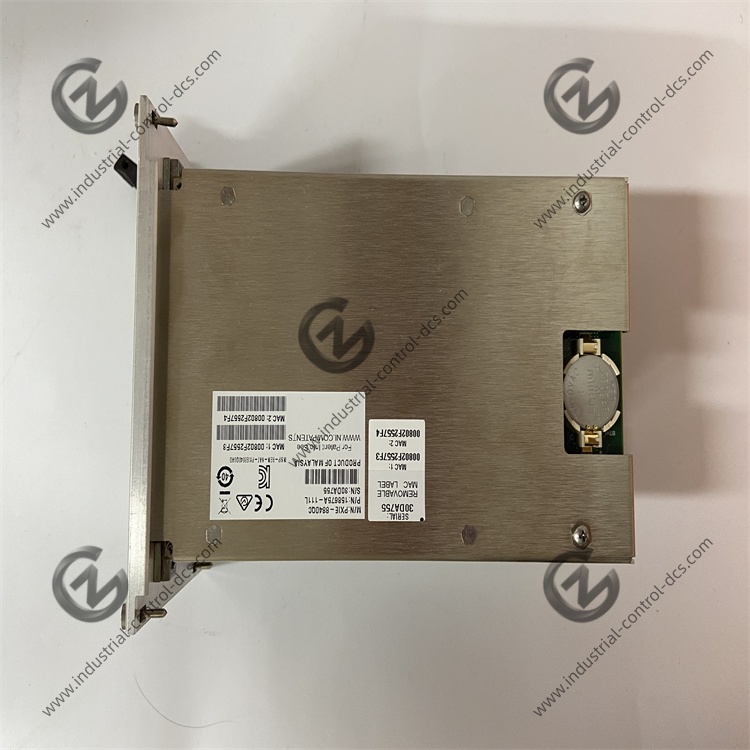
Description
Front Panel & Slot Occupation Configuration
-
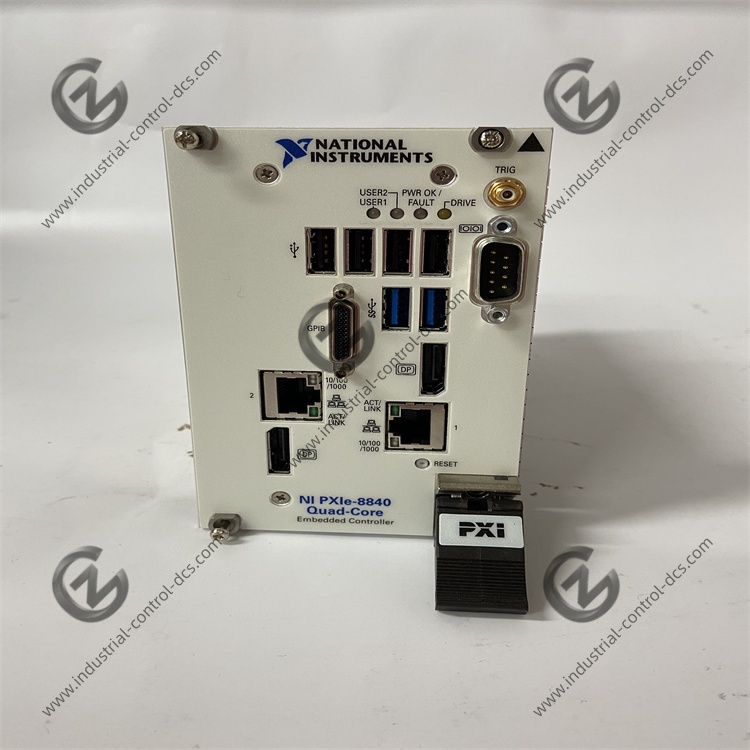
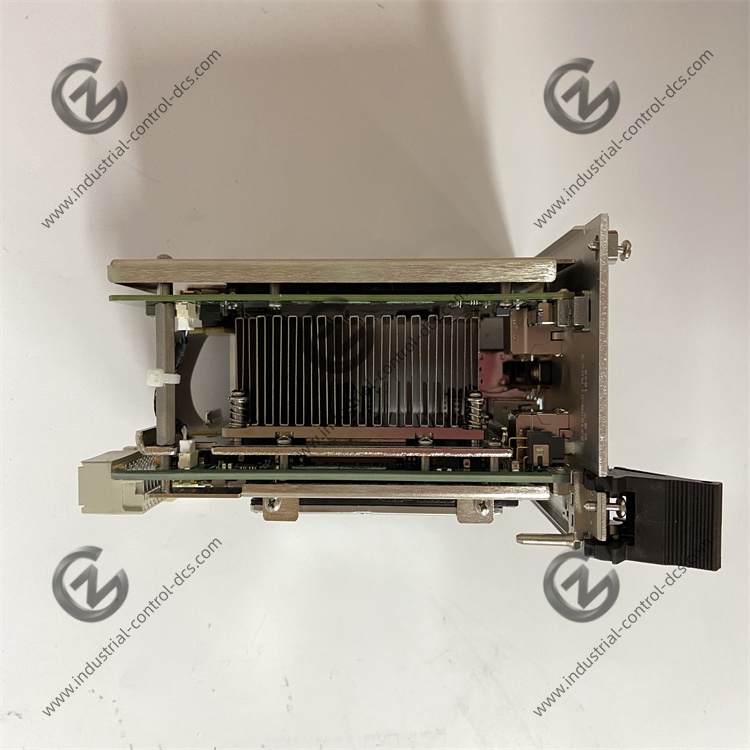
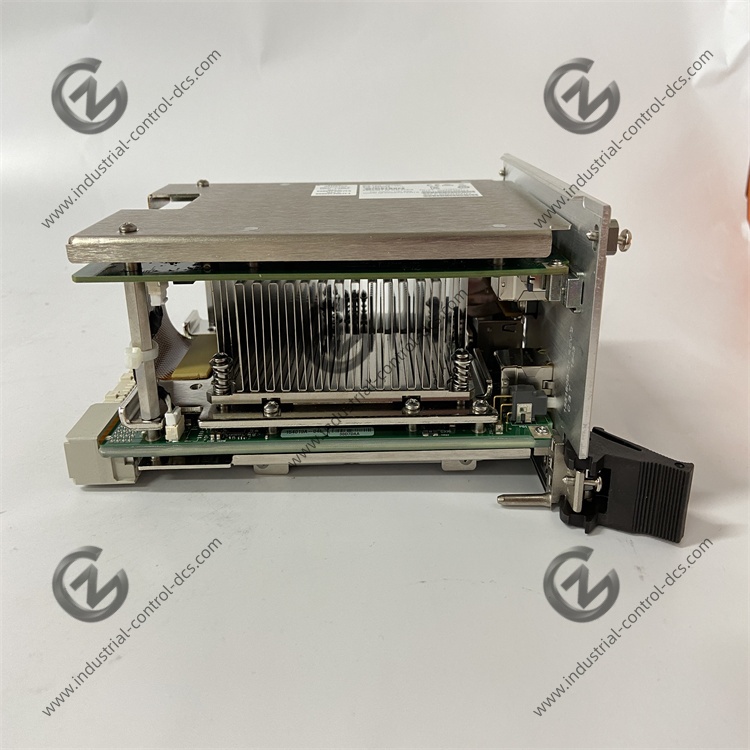
Slot Requirement: Four-wide 3U PXIe module, occupying 1 dedicated system slot plus 3 adjacent controller expansion slots; incompatible with compact 2-slot PXIe chassis
-
Front Panel Interfaces: 2×USB3.0, 4×USB2.0, 1×RS-232 COM1, 2×DisplayPort, 2×Gigabit Ethernet, 1×IEEE488 GPIB, 1×PXI trigger SMB port, hardware reset button
-
Status Indicators: Power indicator, chassis health indicator, CPU activity indicator, trigger bus status LED
-
Optional Expansion: ExpressCard/34 reserved slot for customized peripheral expansion on dedicated variants
-
Physical Weight: 1.32 kg bare module without storage accessories
Core CPU & Memory Specifications
-
Processor Model: Intel Core i7-5700EQ quad-core four-thread, base clock 2.6 GHz, no turbo boost
-
Cache Resource: 6 MB shared last-level cache, low-latency memory access for batch waveform data processing
-
Memory Configuration: Standard 4 GB single-channel 1600 MHz DDR3L low-voltage RAM, maximum expandable to 8 GB
-
Memory Limitation: Single-channel architecture, limited parallel read-write performance compared to dual-channel controllers
-
Chipset: Intel QM87 PCH, native support for PXIe Gen 2 bus protocol
Storage Configuration Options
-
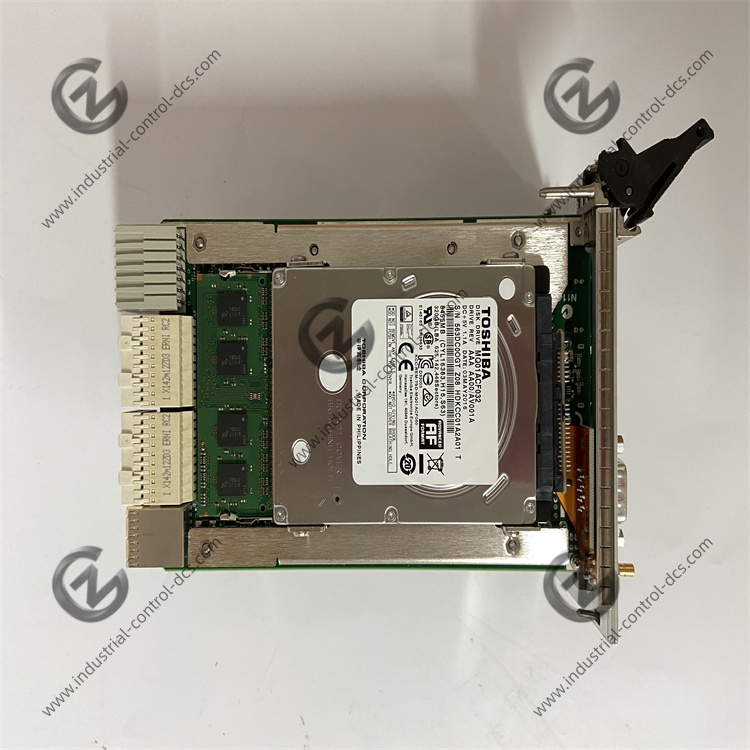
Standard Version: 320 GB 2.5-inch SATA mechanical hard disk, 5400 rpm, for conventional intermittent testing tasks
-
Extended Temperature Version: 80 GB minimum industrial SATA SSD, supporting 24/7 continuous vibration-resistant operation
-
Storage Interface: Single internal SATA II port, no secondary disk expansion connector onboard
-
Data Protection: Onboard coin-cell RTC battery for BIOS clock and boot configuration retention, 5-year service life
PXIe Bus Bandwidth & Synchronization Resources
-
PXIe Compliance: Fully compliant with PXI Express 1.0 specification, Gen2 5.0 GT/s per lane transmission speed
-
Link Switchable Modes: 4×x4 independent links for multi-group parallel acquisition; 2×x8 aggregated links for single high-speed module streaming
-
Trigger Resources: Bidirectional PXI star trigger, local trigger bus, 10 MHz PXIe backplane clock synchronization
-
Inter-module Skew: <200 ns synchronization skew with PXIe DAQ, DSA and switching modules
Integrated Peripheral Interface Electrical Parameters
-
Dual Gigabit Ethernet: 10/100/1000 Base-T auto-negotiation, independent MAC chips for network isolation, no link bandwidth sharing
-
GPIB Interface: Native NI IEEE488.2 controller, supporting maximum 15 instrument cascading, 1.8 MB/s theoretical transmission rate, no external GPIB card required
-
Video Output: Dual DisplayPort 1.2, supporting 4K@30Hz dual-screen simultaneous display for multi-monitor test operation
-
Serial Port: RS-232 only, ±12 V signal level, 115.2 kbps maximum baud rate, no RS-485/422 support
Backplane Power Consumption
-
+3.3 V Rail: 1.68 A typical, 2.82 A peak under full peripheral load
-
+5 V Rail: 1.99 A typical, 3.63 A peak with all USB ports occupied
-
+12 V Rail: 5.19 A typical, 8.79 A peak during CPU full-load calculation
-
-12 V Rail: Zero power consumption, no negative rail load demand
-
Auxiliary +5 V: 0.20 A typical for front panel peripheral chip power supply
Environmental & Shock-Vibration Specifications
-
Standard Operating Temp: 5 ℃ ~ 50 ℃, compliant with MIL-PRF-28800F Class 3
-
Extended Operating Temp: 0 ℃ ~ 55 ℃ for industrial harsh temperature scenarios
-
Storage Temperature: -40 ℃ ~ 65 ℃ standard, -40 ℃ ~ 71 ℃ extended version
-
Humidity: 10%~90% non-condensing operation, 5%~95% non-condensing storage
-
Vibration Resistance: 0.3 grms operational random vibration; 2.4 grms non-operational vibration
-
Shock Resistance: 30 g half-sine peak shock, 11 ms pulse duration for transportation impact protection
Safety & EMC Compliance
-
Safety Certification: IEC 61010-1, UL 61010-1, indoor Pollution Degree 2, max 2000 m working altitude
-
EMC Grade: FCC Class A, CISPR 11 Group 1 Class A, suitable for industrial electromagnetic environments
-
Compliance Directives: CE LVD, EMC, RoHS, ATEX explosion-proof indirect compliance
Compatibility Matching List
-
Compatible Chassis: PXIe-1062Q, PXIe-1071, PXIe-1075 full-size PXIe hybrid chassis; incompatible with PXI-only legacy chassis
-
Compatible Peripherals: All Gen1/Gen2 PXI/PXIe DAQ, motion, bus measurement modules
-
Matching Accessories: PXIe front panel dust baffle, rack-mounted chassis guide rail, GPIB shielded cable
-
Official Status: Active mature production model, no end-of-life notice, continuous official repair support
Software & OS Compatibility
-
Factory Default OS: Windows 7 Professional 64-bit
-
Supported OS: Windows 10 LTSB, Phar Lap ETS real-time OS, Linux Real-Time; no official Windows 11 driver support
-
Supported Drivers: NI-DAQmx, NI-XNET, NI-GPIB, NI-VISA full-stack toolkit compatibility
-
Development Software: LabVIEW all versions, LabWindows/CVI, VeriStand real-time test platform
Pros & Limitations
-
Pros: Native integrated GPIB without external expansion cards, dual independent gigabit network isolation, quad-core stable computing capability, dual-screen 4K display output, wide environmental adaptability, full PXIe trigger synchronization, mature long-term supply chain
-
Limitations: Four-wide slot occupation wasting chassis space, single-channel memory limiting high-speed batch data processing, no RS-485 native port, outdated 5th-generation Intel CPU, no PXIe Gen3 bandwidth support
Reviews
There are no reviews yet.