

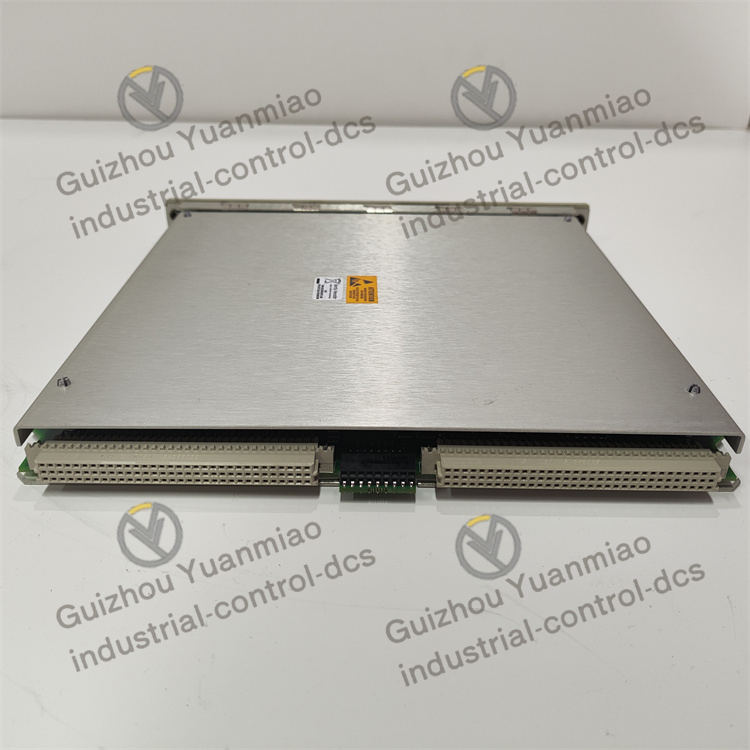

Description
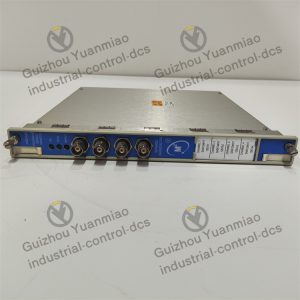
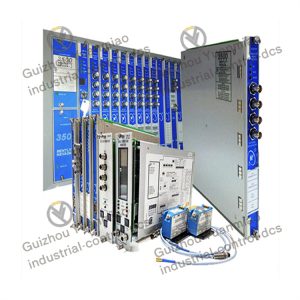
Bently 3500/42 Rotating machinery monitoring equipment
Input signal
Sensor type: Mainly receives signals from acceleration sensors and can be adapted to various acceleration sensors, such as piezoelectric acceleration sensors.
Input range: It can usually handle acceleration signals of different amplitude ranges to meet the vibration monitoring requirements of various rotating machinery.
Measurement parameters
Measurement items: Mainly used for measuring parameters such as vibration acceleration, velocity and displacement. Through the integral and differential operations of the acceleration signal, the module can obtain the relevant data of vibration velocity and displacement.
Measurement accuracy: It features high measurement accuracy. The acceleration measurement accuracy is generally within ± 1%FS (full scale), and the speed and displacement measurement accuracy can also meet the requirements of most industrial applications.
Measurement range: The acceleration measurement range can range from as low as 0.1g (g being the gravitational acceleration) to as high as 100g or even higher. The velocity measurement range is typically 0.1-100mm/s, while the displacement measurement range can range from a few micrometers to several millimeters depending on specific applications.
Output signal
Analog output: It provides multiple analog output channels, typically 4-20mA current signals or 0-10V voltage signals, corresponding to different measurement parameters such as vibration acceleration, velocity, and displacement, etc. It can be conveniently connected to other control systems or monitoring equipment.
Digital output: Supports digital communication protocols such as RS-485, Profibus-DP, etc., which can transmit measurement data in digital form to the remote monitoring system or upper computer to achieve remote monitoring and data analysis. In addition, it may also be equipped with relay output to trigger alarm or protection actions when the vibration value exceeds the preset threshold.
Alarm function
Alarm Settings: Users can flexibly set the alarm thresholds for each channel through dedicated configuration software, including the alarm values for acceleration, speed and displacement. Warning values and danger values can be set respectively. The alarm threshold can be adjusted within the full scale range according to actual needs.
Alarm delay: It features an adjustable alarm delay function, with delay times ranging from tens of milliseconds to several seconds, to prevent false alarms caused by brief vibration fluctuations.
Reviews
There are no reviews yet.