

Description
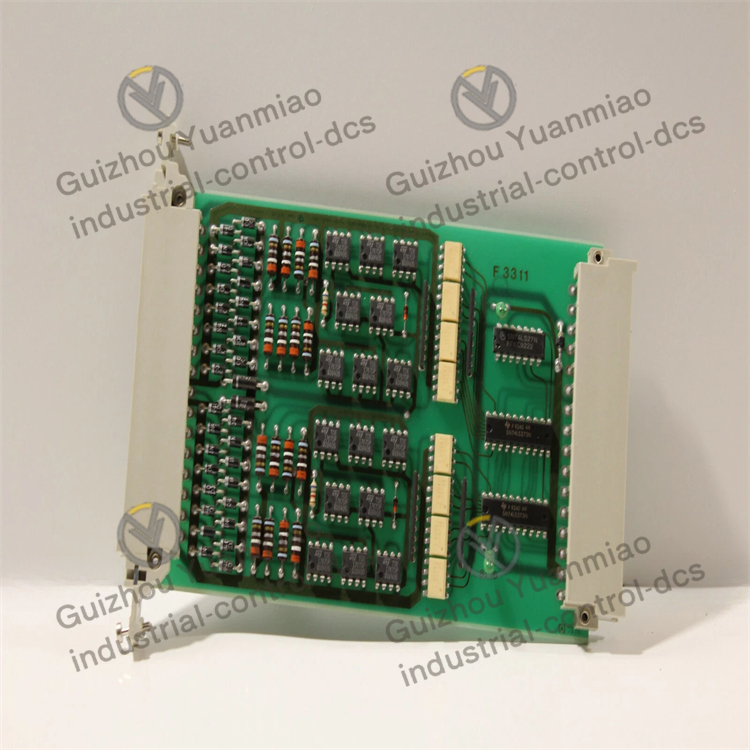
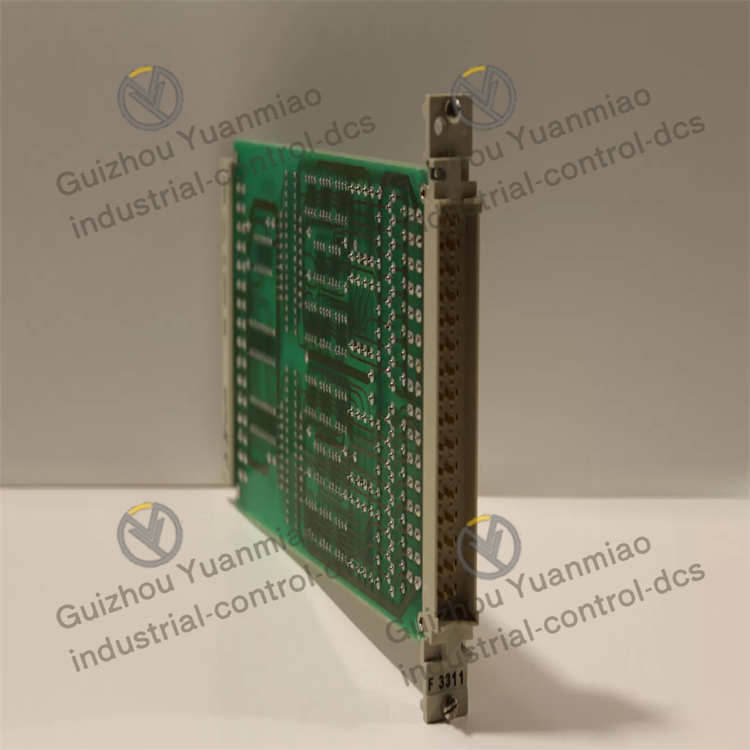
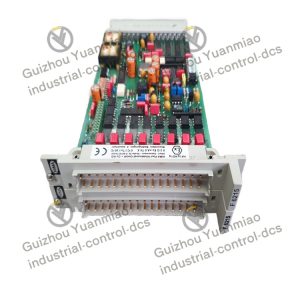
HIMA F3311 input module
Functional characteristics
High safety standards: Designed for safety-related control systems, it meets safety standards such as IEC 61508 and IEC 61511, can operate at SIL level 3, and is suitable for industrial scenarios with extremely high safety requirements, such as the chemical, oil and gas, manufacturing and energy industries.
Redundancy and fault-tolerant design: It features redundancy functionality, supporting redundant configuration of power and communication channels. Even if one power supply fails, it can ensure the system continues to operate, enhancing the system’s availability and reliability. Meanwhile, it has built-in diagnostic and fault detection functions, which can monitor input circuits, communication channels, etc. in real time, promptly discover and report faults, and prevent undetected faults from affecting the system.
Flexible configuration and programming: With a modular architecture, it can be flexibly configured to meet the specific requirements of different applications. Programming is usually carried out using secure programming tools that support the IEC 61131-3 language (such as ladder diagram logic, function block diagram, structured text) to ensure the security of programming and compliance with international standards.
Support for multiple communication protocols: It supports multiple industrial standard communication protocols, such as Profibus, Modbus, EtherCAT, etc., and can be seamlessly integrated with other control systems or field devices, facilitating information interaction and collaborative work in complex industrial networks.
Technical parameters
Input signal type: Supports 24V DC digital input signal.
Current: 5A.
Voltage: 24V.
Operating temperature range: usually -20 ℃ to 60℃.
Storage temperature range: -40℃ to 85℃.
Application field
Process safety system: In process industries such as chemical engineering and petrochemicals, it is used to monitor and control process parameters such as temperature, pressure, and flow rate. When abnormal situations occur, it promptly triggers safety interlocks to protect the safety of personnel and equipment.
Machine safety: In the manufacturing industry, it is used for the safety control of machine tools, robots and other equipment, to achieve safety functions such as emergency stop, protective door monitoring, and light curtain detection, to prevent operators from being accidentally injured.
Fire and gas detection system: It can receive signals from devices such as fire detectors and gas sensors, and promptly activate corresponding alarm and safety measures in emergency situations such as fire or gas leakage.
Other safety-related automatic control systems: In various industrial automation scenarios that require safe operation, such as power systems and rail transit, they play a crucial role in monitoring and controlling safety-related signals
Reviews
There are no reviews yet.