



Description
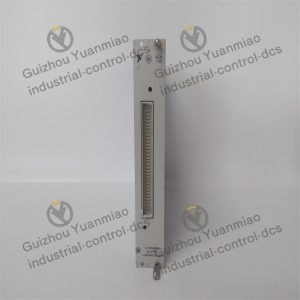
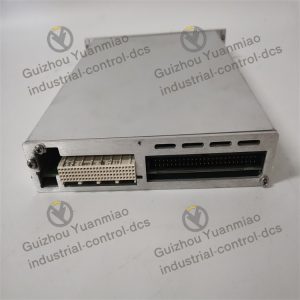
NI SCXI-1162 optically isolated Digital input Module
Channel parameters: It has 32 channels, which are arranged into 8 isolated groups, with 4 input lines in each group.
Electrical parameters: Compatible with TTL/CMOS levels, maximum voltage is 30Vdc, maximum current is 8mA, input/output voltage range is 0 to 5V, input/output impedance is 1kΩ, maximum input frequency is 10MHz.
Communication method: Serial programming can be carried out on the DAQ device via the SCXI bus, or it can operate in parallel mode when directly connected to the DIO device.
Compatible devices: It can be used in conjunction with NI’s MIO-16 and AT-MIO-64F-5 boards, Lab-NB, Lab-PC, Lab-PC+, Lab-LC and PC-LPM-16 boards, as well as DIO-24, DIO-32F and DIO-96 boards, etc.
Interface type: SCXI-1326 shielded terminal blocks can be used, and signals can be easily connected through screw terminals.
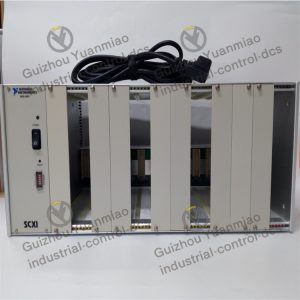
Application scenarios: It enables the SCXI chassis to be used as a digital signal monitor in laboratory testing, production testing, and industrial process monitoring.
Main applications:
Industrial automation control: On industrial production lines, it can be used to monitor various switch signals, such as the on-off status of sensors and the action signals of relays. By inputting these digital signals into the control system, it can achieve automated control and monitoring of the production process. It can also avoid grounding loop problems caused by on-site electrical interference and other factors, protecting the safety of the control host.
Laboratory testing and measurement: It can be used as a digital signal monitor to collect and monitor the digital signals generated by experimental equipment. In combination with other testing instruments and software, it can achieve precise collection and analysis of experimental data, helping researchers obtain accurate experimental results. It is often used in scenarios such as electronic circuit experiments and automatic control experiments.
Electronic product quality inspection: During the production process of electronic products, it can be used to detect whether the digital signals on the circuit board are normal, such as whether the output signals of the chip and the logic levels of each interface meet the standards, etc. By monitoring these signals in real time, product quality problems can be discovered promptly, and the qualification rate of electronic products can be improved.
Aerospace testing: In the structural health monitoring of aircraft, it can be used to collect data from relevant digital sensors, such as the switch output signals of vibration sensors, to determine the operational status of the aircraft structure and detect potential structural defects in advance. It can also be used for the verification and testing of flight control systems to ensure the accurate transmission and processing of digital signals in the system.
Smart grid monitoring: It can obtain the digital status signals of various devices in the smart grid in real time, such as the opening and closing status of circuit breakers and the on-off signals of switches, and transmit these signals to the power grid monitoring system so that staff can promptly understand the operation status of the power grid and ensure its safe and stable operation.
Reviews
There are no reviews yet.