

Description
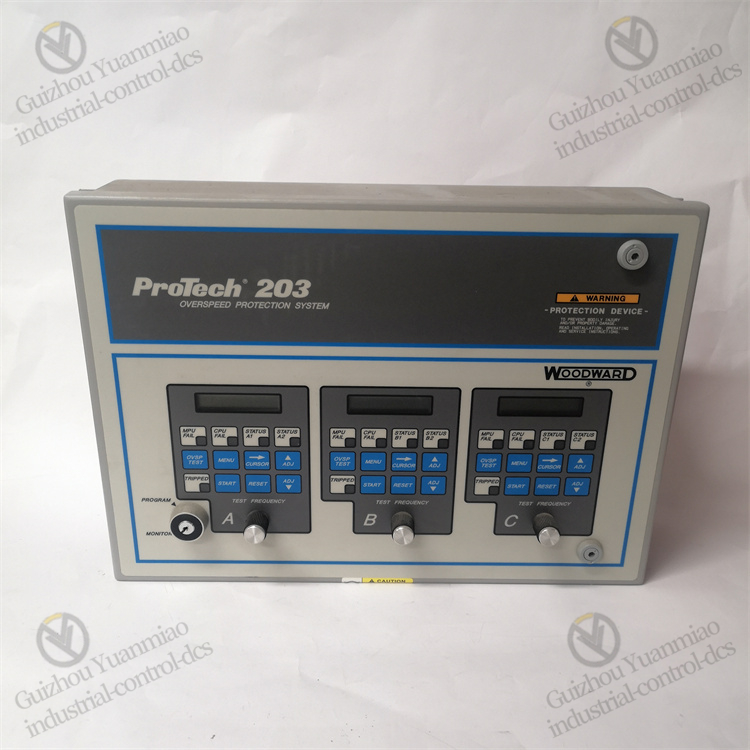
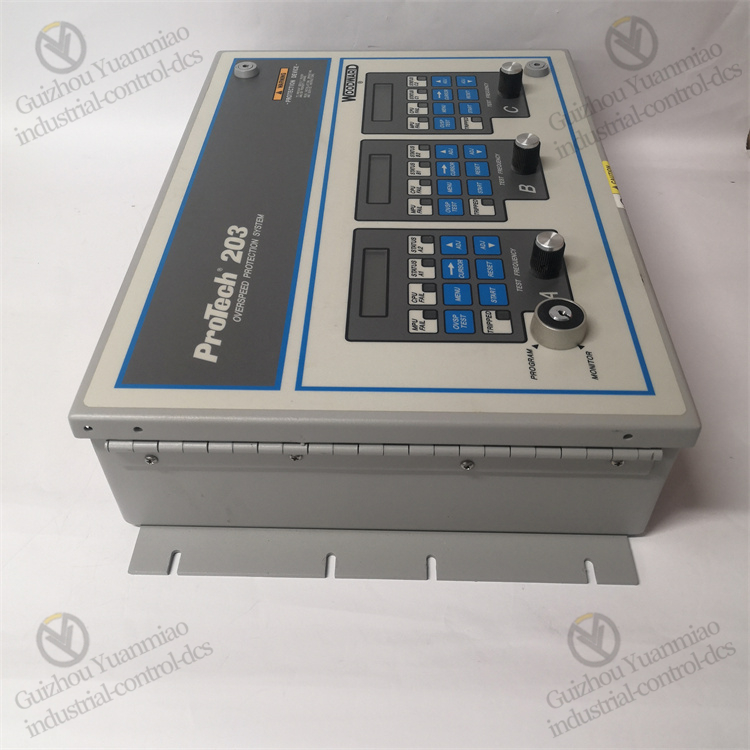
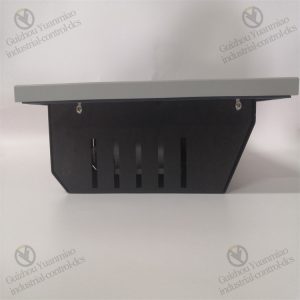
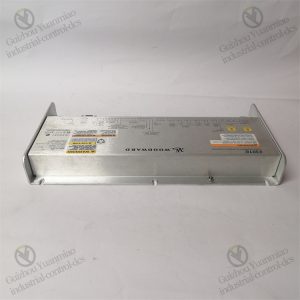
Woodward 9907-147 digital governor
Technical parameters
Input and output parameters:
Speed input: There are two redundant speed inputs that can be connected to magnetic picking devices, eddy current probes or proximity probes.
Analog input: Equipped with 8 analog inputs, it is a 4-20mA channel (back power supply) and can be configured for any one of the 27 functions.
Contact input: It includes 20 contact inputs. The first four are by default used for closing, raising the speed setting value, resetting and lowering the speed setting value. The others can be configured as needed.
Control output: There are two 4-20mA control outputs.
Relay output: Eight C-type relay contact outputs.
Performance parameters:
Operation mode: It has three normal operation modes: configuration, operation and calibration.
Functional features: Supports the automatic startup sequence of hot start and cold start, and has a temperature input option; The critical speed can be avoided on the three-speed band. It has ten external alarm inputs and ten external DI trip inputs. It can provide tripping indications for tripping and alarm events with relevant RTC timestamps; It is equipped with functions such as dual-speed and load dynamic, peak speed indication for overspeed tripping, and zero-speed detection. Support remote droop and frequency dead zone Settings.
Electrical parameters: The input voltage is low 18-36VDC, isolated.
Electromagnetic compatibility parameters: The electromagnetic compatibility immunity complies with the EN 61000-6-2 standard.
Mechanical and environmental parameters:
Shell type: IACS UR E10 (Merchant ship), featuring characteristics such as ATEX, IP-54 and pollution level 3.
Operating temperature: -22°F to 158°F (approximately -30 °C to 70°C).
Storage temperature: -22°F to 158°F (approximately -30 °C to 70°C).
Screen size: 8.4-inch LCD screen.
Functional characteristics
Automatic start and critical speed avoidance: It features an automatic start sequence of hot start and cold start, and has a temperature input option, which can automatically adjust the start process according to different working conditions. It can also achieve the avoidance of critical speed on the three-speed belt, preventing the steam turbine from operating in the critical speed range, reducing the risk of vibration and equipment damage.
Rich input and output interfaces: Equipped with two redundant speed inputs, it can be connected to various types of speed sensors. The 8 analog inputs can be configured to any one of the 27 functions. Among the 20 contact inputs, the first four have default functions, and the rest can be configured as needed. In addition, there are two 4-20mA control outputs and eight C-type relay contact outputs, which facilitate connection with various sensors, actuators and other control devices to meet different control requirements.
Multiple alarm and trip protection: It is equipped with ten external alarm inputs and ten external DI trip inputs, which can monitor the operating status of the steam turbine in real time. When an abnormality occurs, it will promptly issue an alarm signal. If necessary, it will automatically trip to ensure the safety of the equipment. Meanwhile, the tripping and alarm event tripping indications with relevant RTC timestamps facilitate fault detection and analysis.
Precise speed and load control: Equipped with dual speed and load dynamic control functions, it can adjust the turbine speed in real time according to load changes to ensure stable operation. It can also provide peak speed indication for overspeed tripping and zero-speed detection, which is helpful for accurately grasping the operating status of the steam turbine and achieving precise control.
Remote control function: Supports remote droop and frequency dead zone setting, and can communicate with other devices or systems through Modbus communication ports, etc., to achieve remote parameter setting and operation status monitoring, facilitating operators to control and manage the steam turbine from a distance.
Diverse operation modes: It offers three normal operation modes: configuration, operation, and calibration. Operators can switch between these modes according to different needs to perform parameter Settings, daily operation monitoring, and equipment calibration, among other tasks.
Convenient human-machine interaction: The front panel is equipped with various function keys such as emergency trip keys, backspace/delete keys, as well as navigation cross keys, soft key commands, and leds for displaying control and hardware status. Combined with the graphical interface of the operator control panel, it is convenient for operators to operate and check the status.
Application field
In the field of power generation: It can be used to control generators driven by diesel engines, gasoline engines, steam turbines or gas turbines, precisely adjusting the generator speed to ensure stable power output and maintain the stability of the power grid frequency. It can play a role in both large thermal power plants, gas-fired power plants and small distributed power stations.
In the oil and gas industry, during the extraction, transportation and processing of oil and gas, there are a large number of motors, pumps, compressors and other equipment that require precise speed control.
The 9907-147 digital speed controller can be used to control these devices, adjust the operating speed according to production needs, improve energy utilization efficiency, and ensure the stable operation of the production process.
In the field of industrial production: It is applicable to rotating equipment in various industrial production lines, such as motors in textile factories, fans in cement plants, and drive motors for rolling mills in steel mills, etc. By precisely controlling the rotational speed of the equipment, product quality and production efficiency can be enhanced, while energy consumption and equipment wear can be reduced.
In the field of ship transportation: It can be used for speed control of ship engines. According to the ship’s navigation status and load changes, the engine speed can be adjusted in real time to ensure the stability and economy of the ship’s navigation. At the same time, it is also conducive to the maintenance of the engine and extends its service life.
In the field of railway transportation: It can be applied in railway locomotives to control the speed of locomotive engines or drive motors. It can precisely adjust the speed according to factors such as line conditions and load, ensuring the safety and efficiency of train operation.

Reviews
There are no reviews yet.