


Description
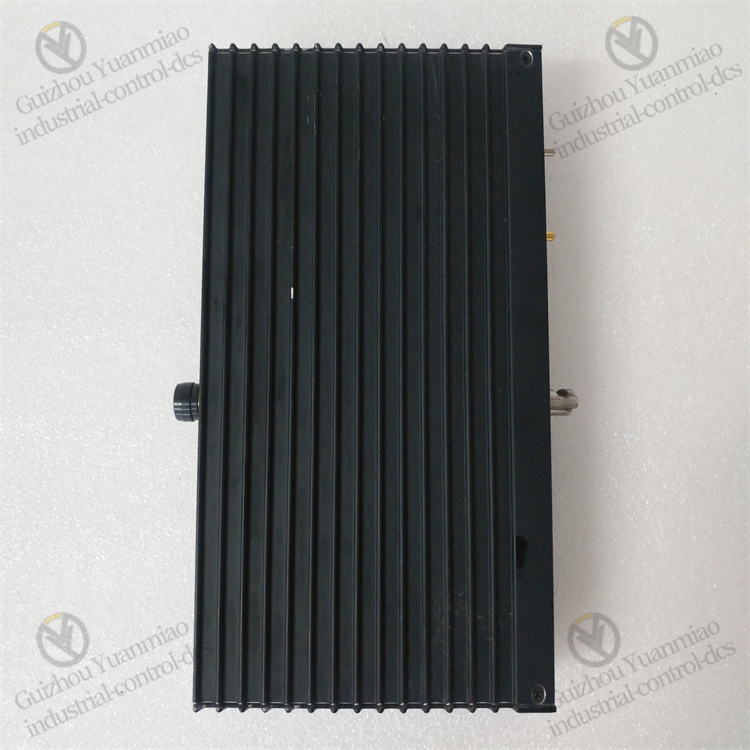
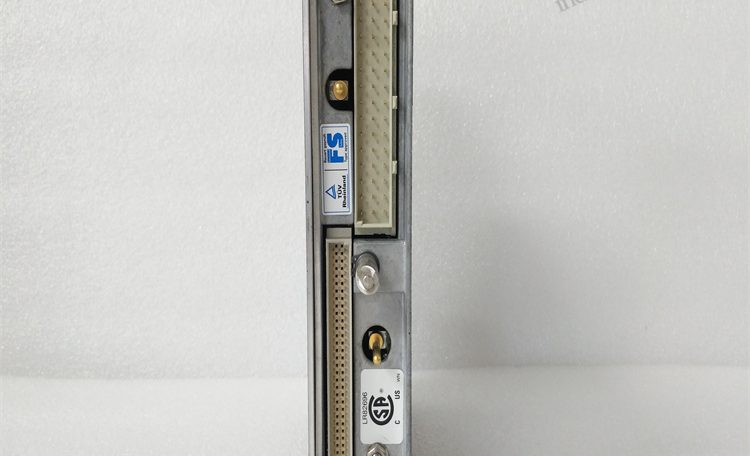
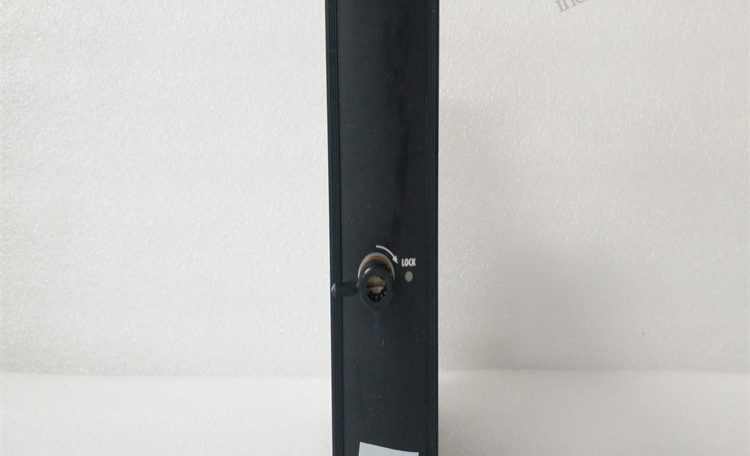
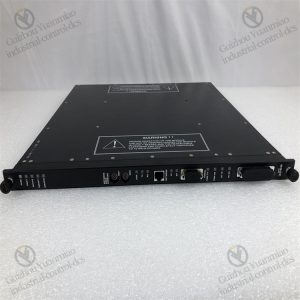
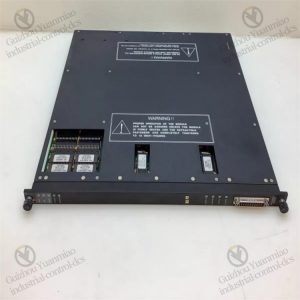
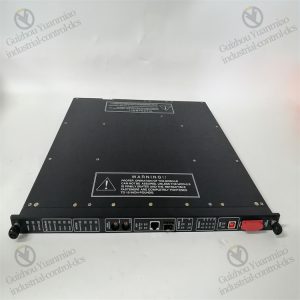
TRICONEX 3351 Analog Input module
Detailed Explanation of Working Principle
I. Module Positioning and Core Functions
TRICONEX 3351 is an analog input module applied in Safety Instrumented Systems (SIS), primarily used to collect analog signals (such as current, voltage, temperature, pressure, etc.) from field devices and convert them into digital signals for processing by controllers. Its design follows the Triple Modular Redundancy (TMR) architecture, ensuring high reliability and safety in complex industrial environments, and complies with the IEC 61508 SIL 3 safety standard.
II. Hardware Architecture and Working Foundation
Core of Triple Redundancy Design
The module contains three independent signal processing channels (Channels A, B, and C), each capable of independently collecting and processing signals, and ensuring data consistency through an internal voting mechanism.
Each channel consists of a signal conditioning circuit, an analog-to-digital converter (ADC), and a microprocessor, forming a “2-out-of-3” (2oo3) voting logic: when any channel fails, the outputs of the other two normal channels still ensure the system operates normally, avoiding failures caused by single-point faults.
Each channel consists of a signal conditioning circuit, an analog-to-digital converter (ADC), and a microprocessor, forming a “2-out-of-3” (2oo3) voting logic: when any channel fails, the outputs of the other two normal channels still ensure the system operates normally, avoiding failures caused by single-point faults.
Signal Interfaces and Preprocessing
- Input Types: Supports multiple analog signals, such as 4-20mA current signals, 0-10V voltage signals, Resistance Temperature Detectors (RTD), and Thermocouples (TC).
- Hardware Protection: Each input channel is equipped with overvoltage and overcurrent protection circuits to prevent damage from abnormal field signals, and features electromagnetic interference (EMI) resistance design to adapt to industrial environments.
III. Analysis of the Full Signal Processing Flow
1. Analog Signal Collection and Conditioning
- Front-end Filtering: After field signals enter the module, they first pass through a low-pass filter to eliminate high-frequency noise, ensuring signal stability.
- Signal Amplification and Isolation: Weak signals (such as thermocouple outputs) are amplified by operational amplifiers, and electrical connections between the field and the module are cut off through optoelectronic isolation or transformer isolation technology to avoid ground loop interference.
2. Analog-to-Digital Conversion (ADC) and Digitalization
Each channel independently uses a high-precision ADC (typically 16-bit or higher resolution) to convert analog signals into digital values. For example, a 4-20mA signal corresponds to a digital value of 0-32767 (or customized according to the range).
During conversion, the three channels sample synchronously to ensure data consistency, with a sampling frequency reaching the millisecond level to meet real-time requirements.
During conversion, the three channels sample synchronously to ensure data consistency, with a sampling frequency reaching the millisecond level to meet real-time requirements.
3. Triple Redundancy Processing and Voting Mechanism
- Data Comparison: Digital signals from the three channels are transmitted to the triple microprocessors inside the module, and each processor independently executes a verification algorithm (such as CRC check) to check data validity.
- Voting Logic:
- Under normal conditions, when data from the three channels is consistent, the voting result is output (such as the median of three or 2oo3).
- When data in a channel is abnormal (such as exceeding the threshold or check failure), the module automatically isolates the channel, maintains operation through the outputs of the other two channels, and triggers a fault alarm.
4. Fault Diagnosis and Self-Detection
- Built-In Test (BIT): The module continuously performs periodic self-checks on its hardware (such as ADC, memory, and communication interfaces). When a fault is detected, it is marked as a “safe failure” and reported via system indicator lights or communication interfaces.
- Channel Health Monitoring: Real-time monitoring of parameters such as input signal range and drift of each channel. If signal anomalies (such as open circuit or short circuit) are found, redundant switching or an alarm is initiated immediately.
IV. Communication and Data Output
- Internal Communication: Processed digital signals are transmitted to the controller through the module’s internal triple redundant bus (such as the Tricon bus), which uses Time Division Multiplexing (TDM) technology to ensure data synchronization and anti-interference.
- Protocol Support: Supports proprietary communication protocols with Triconex controllers, and can interact with external systems through industrial protocols such as Modbus and HART, outputting standardized data (such as temperature and pressure values converted to engineering units).
V. Safety Mechanisms and Failure Handling
- Safe Failure Mode: When the module detects a fault that cannot be handled by redundancy (such as simultaneous failure of two channels), it sets the output to a safe state (such as 0mA, 0V, or maintaining the last valid value) according to preset logic to prevent process 失控 (process out of control) caused by module failure.
- Fault Tolerance and Recovery: For occasional faults caused by transient interference, the module has an automatic recovery function (such as resampling and retransmitting data) to reduce false alarms; for permanent faults, online replacement is supported through hot-swappable design without affecting system operation.
VI. Working Logic in Typical Application Scenarios
Take temperature monitoring of a petrochemical reactor as an example:
- The thermocouple converts the temperature signal into a millivolt-level voltage and transmits it to the 3351 module.
- The three channels of the module collect the voltage signal, amplify and isolate it, and convert it into a digital value (e.g., 25.5°C corresponds to the digital quantity 12345).
- The triple processor compares the data. If consistent, it is output to the controller, which adjusts the cooling water valve based on the temperature value.
- If a channel has abnormal data due to a thermocouple open circuit, the module isolates the channel, continues control with data from the other two channels, and alarms to prompt maintenance personnel to replace the thermocouple.
VII. Summary: Core Advantages of the Working Principle
The TRICONEX 3351 module achieves high-precision collection and safe processing of analog signals through the “triple redundant hardware architecture + real-time voting algorithm + full-process fault diagnosis”. Its core advantages include:
- Reliability: TMR architecture and 2oo3 voting mechanism eliminate single-point fault risks.
- Real-time Performance: High-speed sampling and processing meet industrial real-time control requirements.
- Safety: SIL 3 certification and fail-safe design comply with high-risk scenario requirements.
- Adaptability: Wide-temperature and anti-interference designs are suitable for harsh industrial environments.
The working principle of this module fully reflects the full-process design logic of safety instrumented systems (“detection – processing – control – fault tolerance”), making it a key component of industrial safety control.
Reviews
There are no reviews yet.