

Description
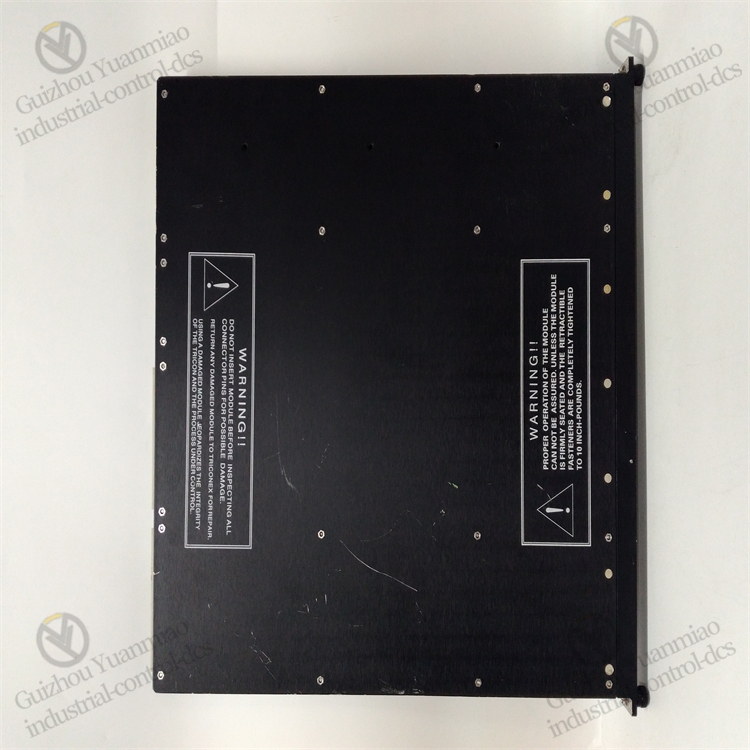
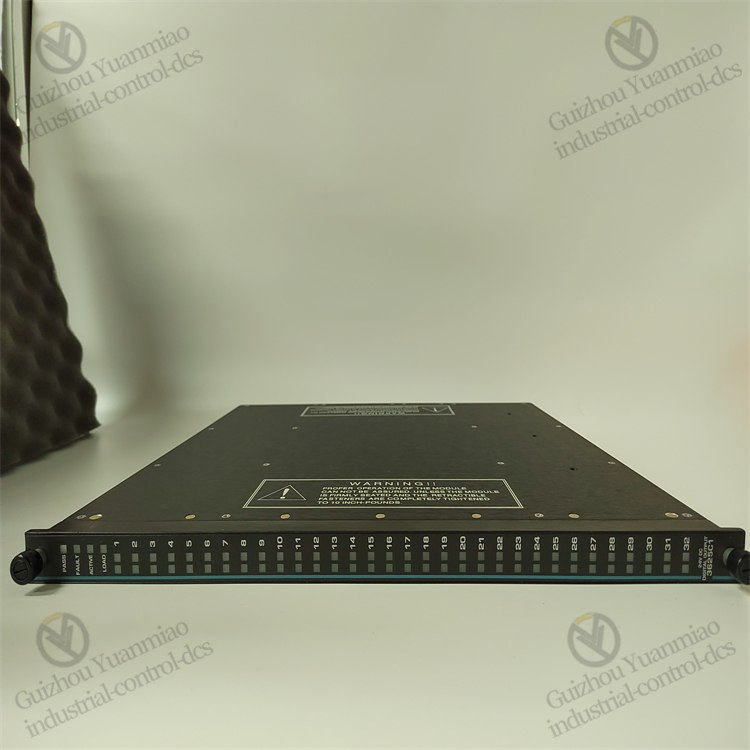
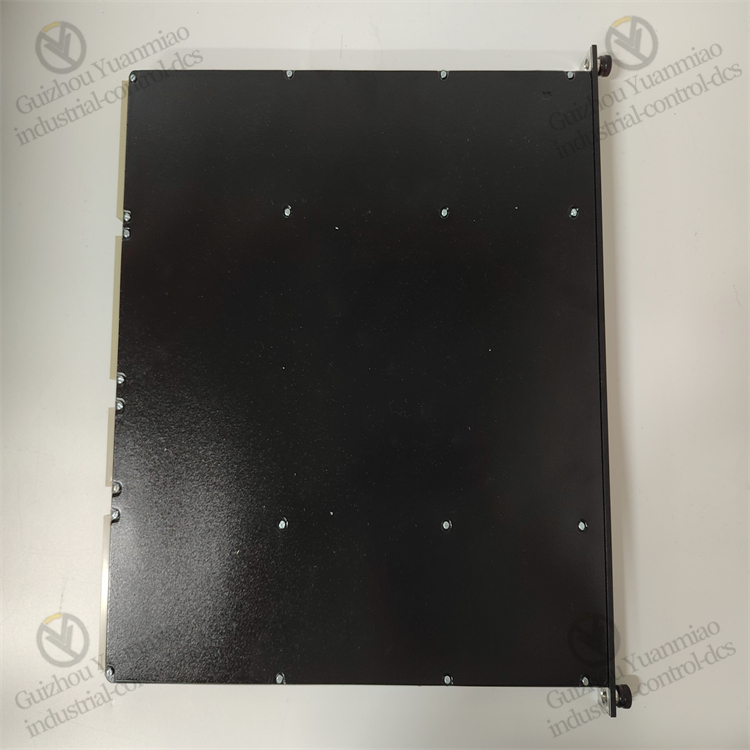
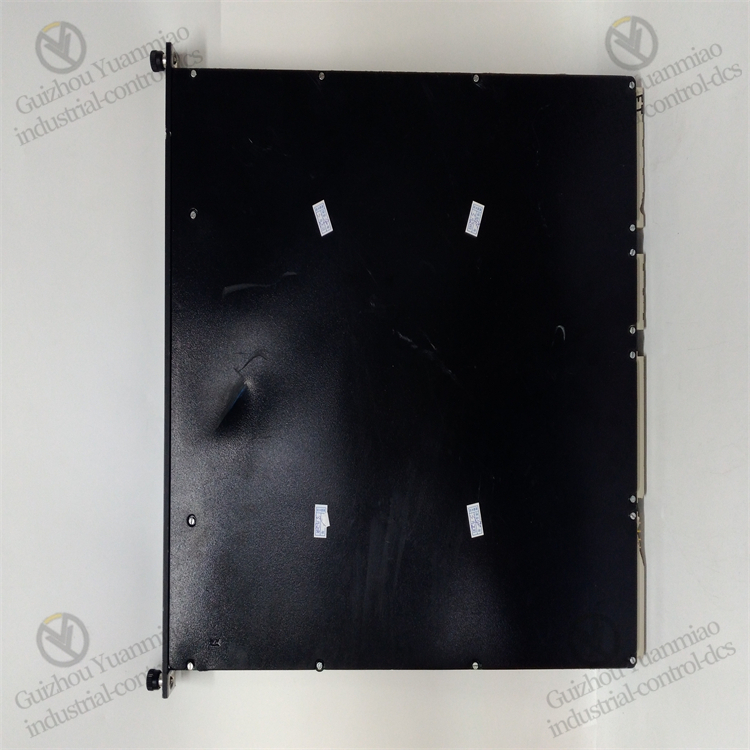
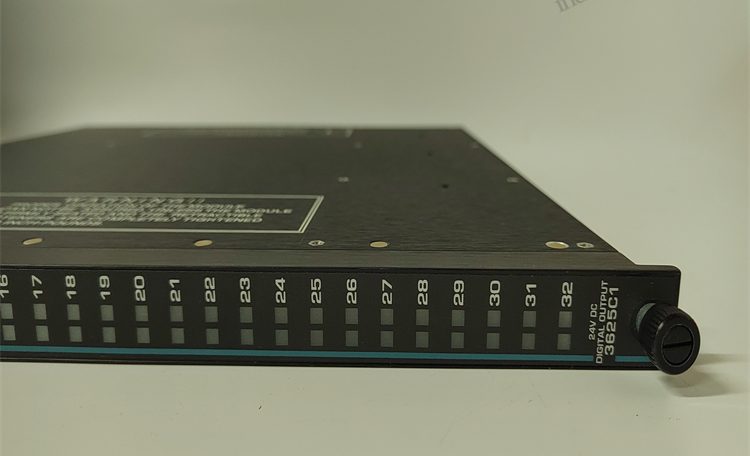
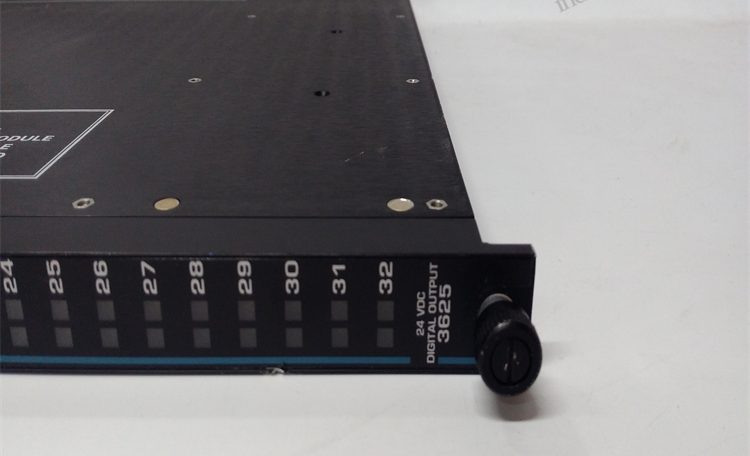
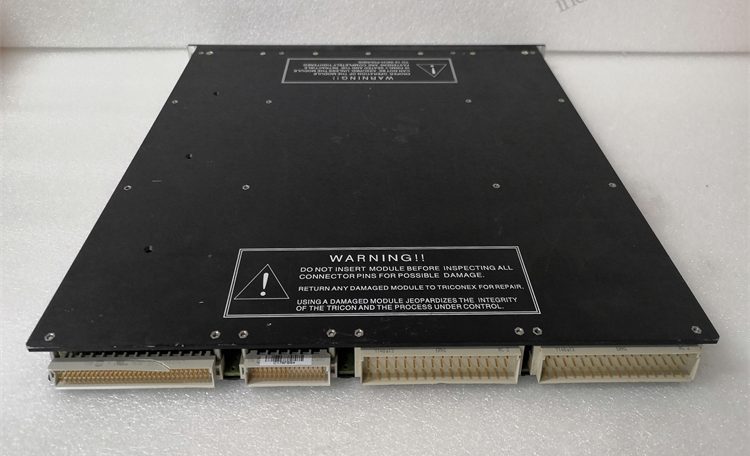
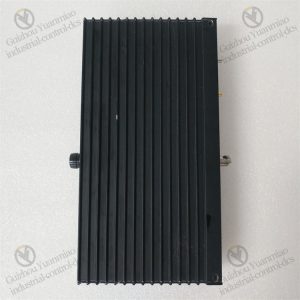
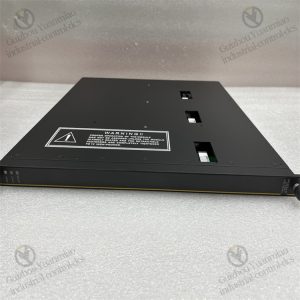
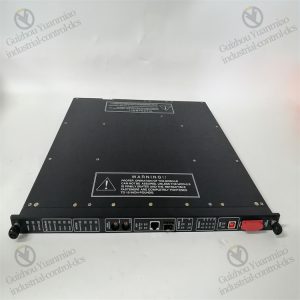
TRICONEX 3625 Communication interface module
Module Positioning and Functions
TRICONEX 3625 is a high-performance communication and interface module, serving as a key component of the Triconex Safety Instrumented System (SIS). Its core function is to enable high-speed data interaction between the Triconex system and external devices, third-party control systems, or field instruments. Supporting multiple industrial communication protocols, it is suitable for industrial scenarios with extremely high requirements for reliability and real-time performance.
Key Features
Triple Redundancy Architecture (TMR)
- Adopts three independent channels with a voting mechanism, maintaining communication even in case of single-channel or dual-channel failures. Complies with SIL 3 safety integrity level to ensure reliable transmission of critical data.
- Hardware-level redundancy design reduces single-point failure risks, suitable for safety-critical systems.
Multi-Protocol and Interface Support
- Industrial Ethernet Protocols: Supports Modbus TCP/IP, Ethernet/IP, OPC UA, etc., compatible with third-party systems like Rockwell and ABB.
- Fieldbus Protocols: Integrates Profibus DP, CANopen, etc., adapting to communication needs of devices from Siemens, Schneider, etc.
- Serial Communication: Supports RS-232/485, connectable to HART smart instruments or legacy devices.
- Flexible Expansion: Through modular interface design, multiple protocols can be configured simultaneously to meet heterogeneous system integration requirements.
High-Speed Data Processing and Real-Time Performance
- Ethernet communication rates up to 10/100/1000 Mbps; Profibus up to 12 Mbps, supporting real-time data transmission and fast response.
- Built-in data caching and priority scheduling mechanisms ensure emergency commands (e.g., ESD signals) are transmitted first.
Hot-Swapping and Online Maintenance
- Supports live module replacement, enabling maintenance or upgrades without shutdown, reducing downtime in industrial production and enhancing system availability.
Electrical Isolation and Anti-Interference Design
- All communication interfaces use optoelectronic isolation to effectively isolate external electromagnetic interference (EMI) and voltage fluctuations, complying with industrial EMC standards.
- Wide-temperature design (-40°C to +70°C) adapts to harsh industrial environments (e.g., petrochemical and metallurgical sites).
Intelligent Diagnosis and Configuration
- Customize communication parameters, data mapping tables, and fault response strategies via Triconex Tools software.
- Real-time monitoring of link status, bit error rate, and module health, providing visual alarms and log records for easy fault troubleshooting.
Technical Parameters
| Parameter Category | Detailed Specifications |
|---|---|
| Interface Types | – 2× Ethernet ports (RJ45, supporting 10/100/1000 Mbps) – 2× Profibus DP ports (RS-485) – Optional 2× RS-232/485 ports (HART compatible) |
| Communication Protocols | Modbus TCP/IP, Ethernet/IP, Profibus DP, CANopen, HART, OPC UA, etc. |
| Power Supply | 24VDC (±10%), supporting redundant power supply |
| Operating Temperature | -40°C to +70°C (industrial grade) |
| Storage Temperature | -40°C to +85°C |
| Protection Level | IP20 (requires installation in control cabinets) |
| Safety Certifications | IEC 61508 SIL 3, ATEX, CSA, etc. |
| Dimensions/Weight | Approximately 130mm×85mm×40mm, 0.6kg |
Application Areas
Safety Instrumented System (SIS) Integration
- Serves as a communication hub between SIS and distributed control systems (DCS), PLCs, or host computers, enabling collaboration between safety interlock logic and process control (e.g., Emergency Shutdown System ESD, Fire & Gas Monitoring System FGS).
Process Industry Automation
- Petrochemical: Connects field transmitters (temperature, pressure, flow) with control systems to transmit real-time process data.
- Power Industry: Communicates with smart meters and circuit breakers to monitor grid status.
- Pharmaceutical/Food: Docks with batch management systems to achieve two-way transmission of recipe data and production instructions.
Critical Infrastructure Protection
- Nuclear Power Plants: Transmits reactor status data via redundant communication links to ensure safety monitoring.
- Refineries: Integrates monitoring systems for large units like compressors and turbines to enable fault early warning and protection.
Cross-System Data Interaction
- Connects Triconex systems with third-party brand devices (e.g., Siemens PCS 7, Honeywell Experion), breaking down automation silos for plant-wide data interoperability.
Remote Monitoring and Internet of Things (IoT)
- Connects remote I/O or edge computing devices via industrial Ethernet, supporting OPC UA protocol for cloud platform access to facilitate industrial digital transformation.
Typical Application Scenarios
- Large Unit Safety Control: In gas turbine monitoring, the 3625 module collects real-time vibration, temperature, and other sensor data, interacting with SIS logic processors to trigger overspeed protection or shutdown commands.
- Offshore Platform Safety Systems: Connects field valves and fire/gas detectors via Profibus, using redundant communication to ensure safety interlock responses in offshore oil and gas extraction.
- Chemical Batch Production: In polymer production, docks with the host computer’s recipe management system, transmits batch parameters via Modbus TCP, and controls reactor start/stop and material feeding.
Conclusion
The TRICONEX 3625 module, with its triple redundancy design, multi-protocol compatibility, and high real-time communication capabilities, becomes a core component for cross-device data interaction in industrial safety systems. Its advantages include:
- Safety: SIL 3 certification and hardware redundancy meet reliability requirements for high-risk scenarios.
- Flexibility: Supports multiple protocols and interfaces, adapting to system integration in complex industrial environments.
- Usability: Hot-swapping and intelligent diagnosis functions reduce maintenance costs and enhance system availability.
Widely applied in scenarios requiring “safe communication + efficient data interaction,” this module serves as a key link in modern industrial automation and safety control.
Reviews
There are no reviews yet.