

Description
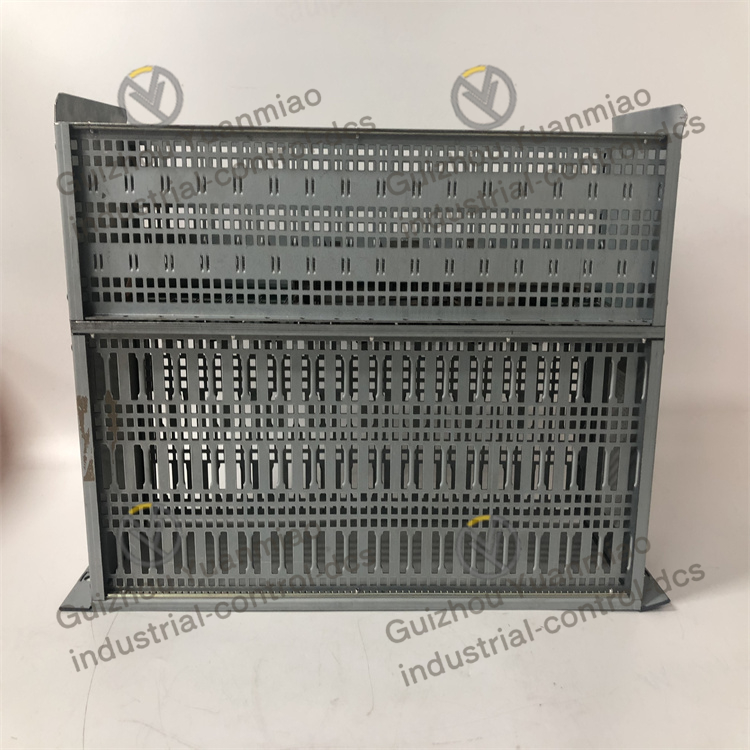
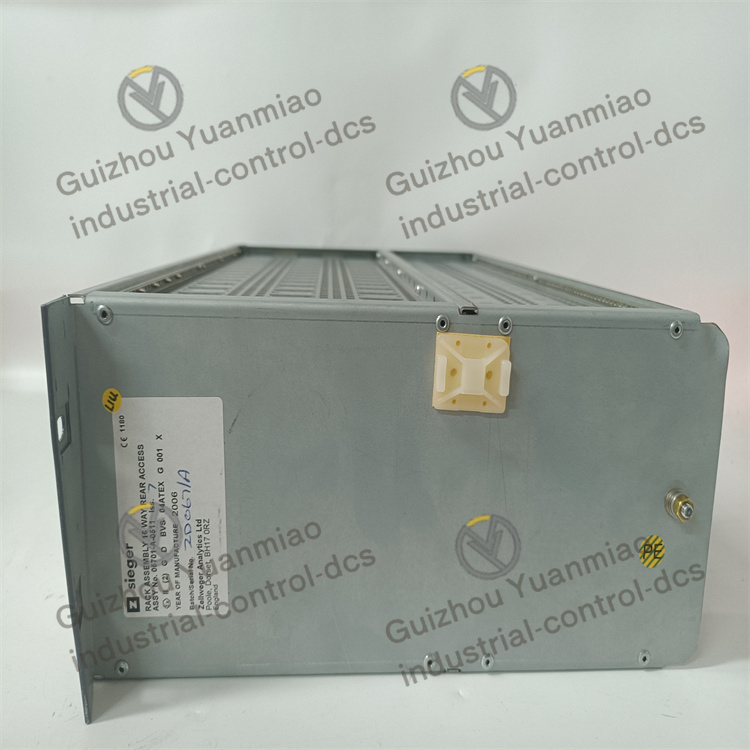
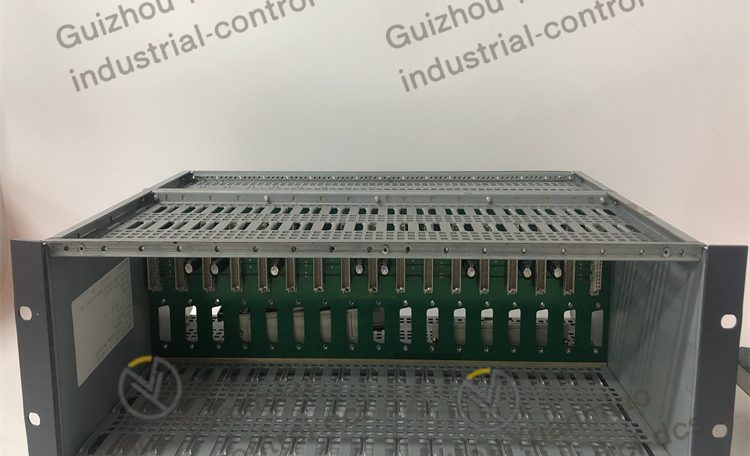
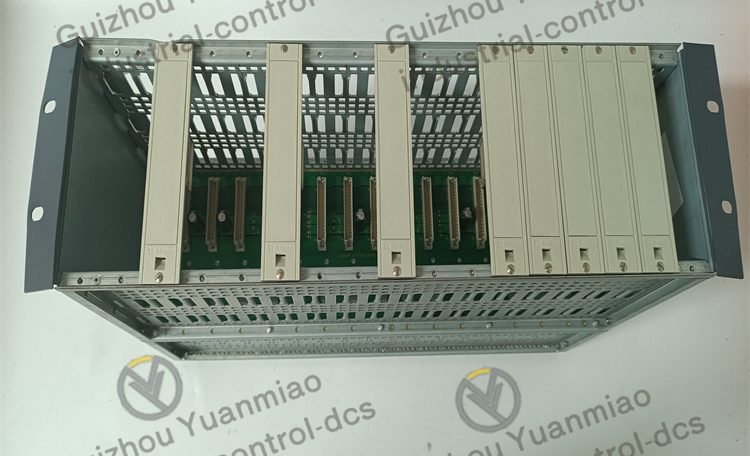
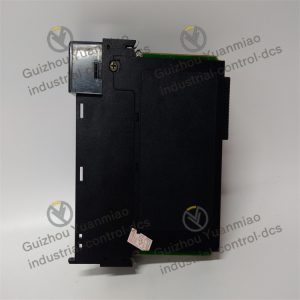
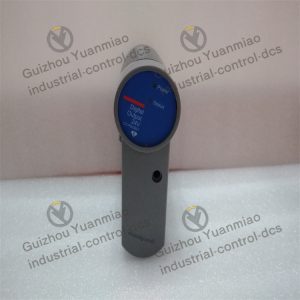
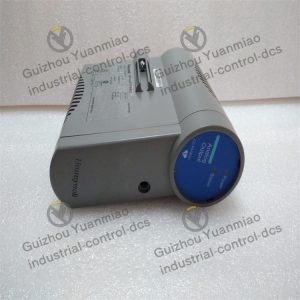
Honeywell 05701-A-0511 digital Temperature controller
I. Core Functional Positioning
Honeywell 05701-A-0511 is an industrial-grade digital temperature controller primarily used for precise monitoring and control of temperature parameters. Through modular design, it enables signal interaction with sensors and actuators, suitable for scenarios such as industrial automation, HVAC (Heating, Ventilation, and Air Conditioning), and equipment temperature control.
II. Framework of Working Principle
The working principle can be divided into four core links: signal acquisition, processing & calculation, control output, and communication interaction, as detailed below:
III. Detailed Workflow
1. Temperature Signal Acquisition and Input
- Sensor Interface: Connects to temperature sensors (such as thermocouples, Pt100 thermal resistors, etc.) via digital input channels (e.g., 4 digital inputs) to collect environmental or equipment temperature data in real time.
- Signal Conversion: Analog signals output by sensors (such as voltage, resistance values) are converted into digital signals by the internal analog input circuit (8 analog inputs, accuracy ±0.1%) of the module for convenient processor calculation.
2. Data Processing and Logical Calculation
- Core Processor: The module is equipped with a built-in microprocessor that preprocesses the input digital temperature signals, such as filtering and amplifying, to eliminate interference noise.
- Threshold Comparison and Algorithm Control:
- Users set target temperature values and control logic (such as PID control, ON/OFF control) through programming software (e.g., RSLogix 5000).
- The processor compares the real-time temperature with the set value, calculates the deviation according to the preset algorithm, and generates control instructions (such as heating, cooling, alarm, etc.).
3. Control Output and Execution
- Analog Output: Sends current/voltage signals (such as 4-20mA, 0-10V) through 2 analog output channels (accuracy ±0.2%) to control devices like control valves and frequency converters for temperature adjustment (e.g., adjusting heating power, fan speed).
- Digital Output: Controls actuators such as contactors and solenoid valves with switch signals through 4 relay output channels (e.g., turning on/off heaters, cooling fans).
4. Communication Interaction and System Integration
- Communication Protocols: Supports Modbus RTU/ASCII protocols, communicating with upper computers (PLC, DCS systems) or other devices via RS485 or RS232 interfaces to upload temperature data or receive control commands.
- Real-time Feedback: The module can transmit temperature status, fault information, etc., to the monitoring system via the communication interface, enabling remote monitoring and parameter adjustment.
5. Auxiliary Functions and Protection Mechanisms
- Rapid Response: Response time <1ms, ensuring timely adjustment to temperature changes and avoiding overshoot or undershoot.
- Hot-swappable Design: Supports online maintenance, allowing module replacement without affecting system operation, enhancing reliability.
- Environmental Adaptability: Operating temperature range -40°C~85°C, humidity 5%~95% (non-condensing), suitable for harsh industrial environments.
IV. Control Algorithm Logic (Taking PID as an Example)
- Proportional (P) Control: Outputs control quantity proportionally according to the magnitude of temperature deviation, rapidly responding to deviations.
- Integral (I) Control: Eliminates static deviation, ensuring the temperature finally stabilizes at the set value.
- Derivative (D) Control: Predicts the temperature change trend, suppresses overshoot, and improves system stability.
- The module dynamically adjusts output signals by calculating PID parameters in real time, making temperature control more precise (e.g., within ±0.5°C).
V. Application Scenario Principle Examples
-
Temperature Control of Industrial Heating Furnaces:
- The thermal resistance sensor detects the furnace temperature, and the signal is input into the module.
- The module compares the set temperature (e.g., 500°C). If the measured temperature is lower than the set value, it turns on the heating element via relay output, while the analog output adjusts the heating power.
- When the temperature approaches the set value, the PID algorithm reduces the output to avoid overheating; if the threshold is exceeded, it triggers an alarm output.
-
Temperature Control of HVAC Systems:
By monitoring the indoor temperature, it controls the speed of air conditioning fans or the opening of valves to maintain a constant temperature, while feeding back energy consumption data to the upper computer via Modbus communication.
Reviews
There are no reviews yet.