

Description
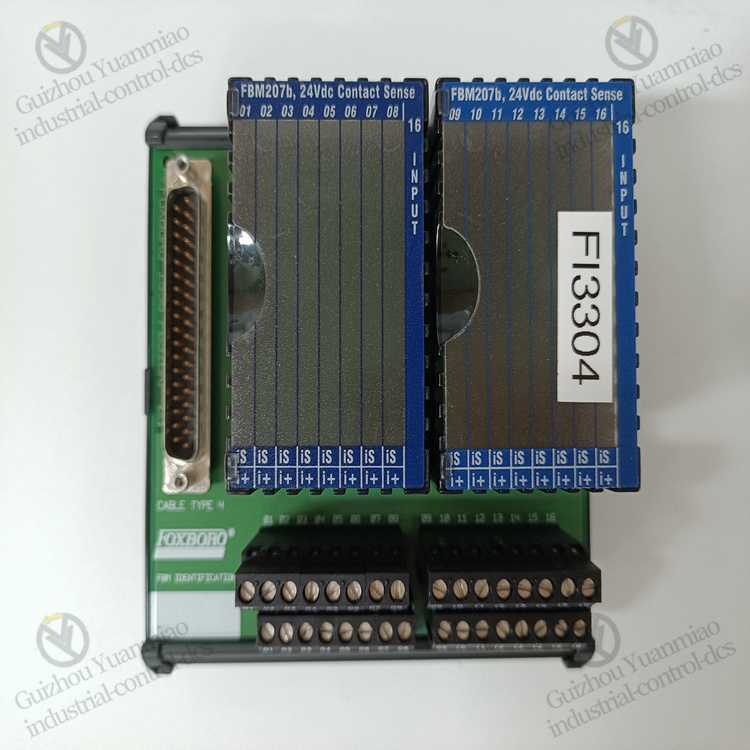
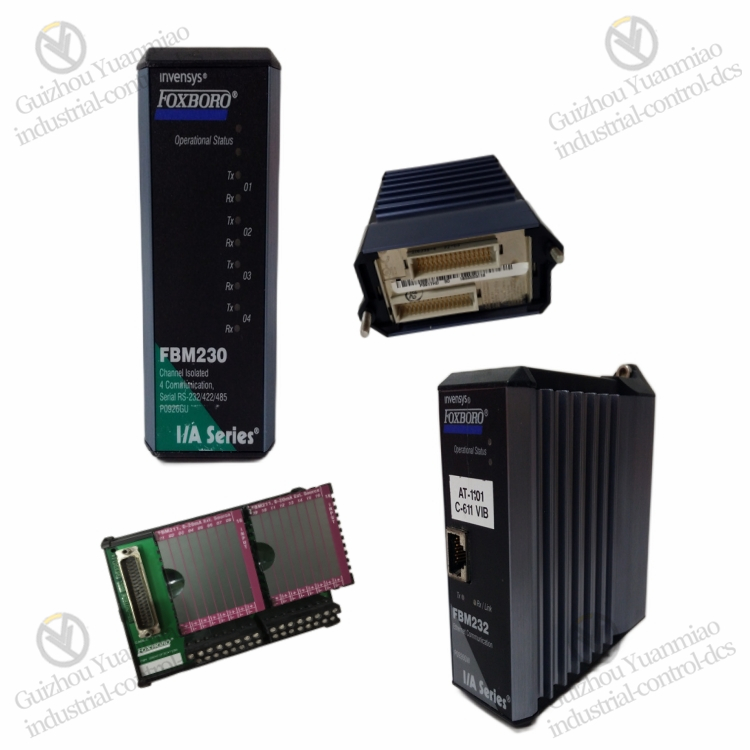
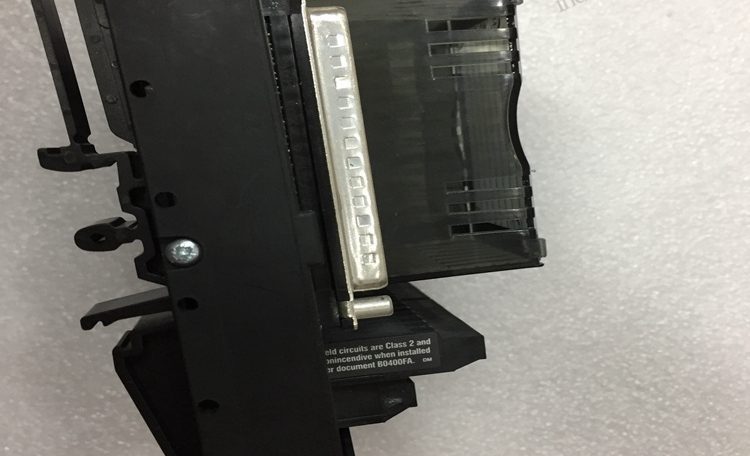
Foxboro P0916JS High-performance Analog Input/Output Module
Main Features
Diverse Signal Processing: Capable of handling various types of signals, including analog and digital signals. The input signal types support RTD, thermocouple, 4-20mA DC, etc., and the output signal types include 4-20mA DC, HART, etc.
Rich Communication Protocols: Supports multiple communication protocols such as Modbus and HART, facilitating communication and data interaction with other devices.
High Precision: The measurement accuracy is usually between 0.1% and 0.5%, which can meet the accuracy requirements of most industrial scenarios.
High Reliability: Adopts a redundant design to reduce the failure rate. At the same time, there are corresponding isolation measures between channels, which can effectively resist interference.
Strong Environmental Adaptability: With an IP67 protection rating, it can be used in harsh environments. The operating temperature range is -40°C to 70°C, enabling it to adapt to different temperature environments.
Convenient Installation and Maintenance: Adopts a modular design, facilitating quick replacement and maintenance. It also supports hot swapping, allowing module replacement without interrupting the system operation.
Diverse Signal Processing: Capable of handling various types of signals, including analog and digital signals. The input signal types support RTD, thermocouple, 4-20mA DC, etc., and the output signal types include 4-20mA DC, HART, etc.
Rich Communication Protocols: Supports multiple communication protocols such as Modbus and HART, facilitating communication and data interaction with other devices.
High Precision: The measurement accuracy is usually between 0.1% and 0.5%, which can meet the accuracy requirements of most industrial scenarios.
High Reliability: Adopts a redundant design to reduce the failure rate. At the same time, there are corresponding isolation measures between channels, which can effectively resist interference.
Strong Environmental Adaptability: With an IP67 protection rating, it can be used in harsh environments. The operating temperature range is -40°C to 70°C, enabling it to adapt to different temperature environments.
Convenient Installation and Maintenance: Adopts a modular design, facilitating quick replacement and maintenance. It also supports hot swapping, allowing module replacement without interrupting the system operation.
Technical Parameters
Dimensions: 132x176x35mm.
Power Supply Requirement: 24V DC.
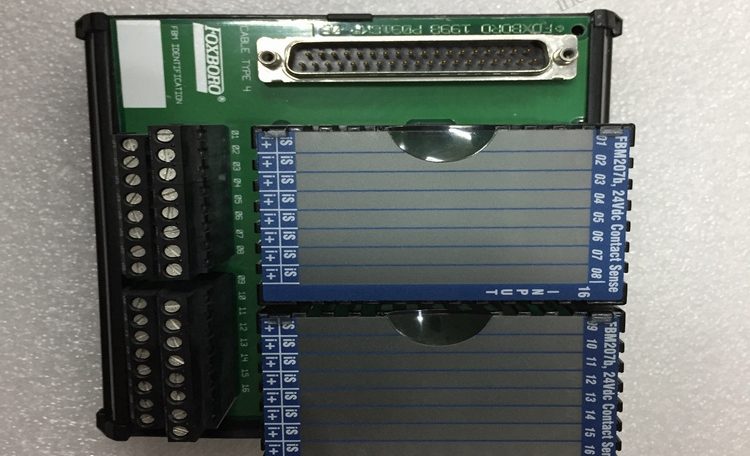
Terminal Type: FBM207b.
Number of Terminals: 16.
Power Consumption: Approximately 0.5W.
Dimensions: 132x176x35mm.
Power Supply Requirement: 24V DC.
Terminal Type: FBM207b.
Number of Terminals: 16.
Power Consumption: Approximately 0.5W.
Application Fields
Process Industry (Petroleum, Chemical, Natural Gas)
In the distributed control systems (DCS) of refineries and chemical plants, it is used to collect analog signals such as pipeline pressure, temperature, and flow rate (e.g., through 4-20mA transmitters), or monitor digital signals such as valve switch status and pump start-stop, realizing real-time monitoring of the production process.
It can be integrated into the Safety Instrumented System (SIS) as a key signal transmission node, supporting safety control logics such as emergency shutdown and fault interlock, ensuring the stable operation of high-risk processes.
Process Industry (Petroleum, Chemical, Natural Gas)
In the distributed control systems (DCS) of refineries and chemical plants, it is used to collect analog signals such as pipeline pressure, temperature, and flow rate (e.g., through 4-20mA transmitters), or monitor digital signals such as valve switch status and pump start-stop, realizing real-time monitoring of the production process.
It can be integrated into the Safety Instrumented System (SIS) as a key signal transmission node, supporting safety control logics such as emergency shutdown and fault interlock, ensuring the stable operation of high-risk processes.
Power Industry (Power Generation, Power Transmission and Transformation)
In thermal power plants and substations, it is used to collect operating parameters of generating sets and transformers (such as current, voltage, winding temperature), as well as status signals of circuit breakers and disconnectors, supporting automated monitoring and dispatching of the power system.
It is compatible with standard signals of power equipment (such as 0-10V voltage signals, dry contact status signals) and meets the strict requirements of the power industry for signal accuracy and anti-interference.
In thermal power plants and substations, it is used to collect operating parameters of generating sets and transformers (such as current, voltage, winding temperature), as well as status signals of circuit breakers and disconnectors, supporting automated monitoring and dispatching of the power system.
It is compatible with standard signals of power equipment (such as 0-10V voltage signals, dry contact status signals) and meets the strict requirements of the power industry for signal accuracy and anti-interference.
Water Treatment and Environmental Protection Engineering
In sewage treatment plants and waterworks, it monitors signals from liquid level sensors and water quality analyzers (such as analog outputs of pH value and turbidity), and controls actuators such as dosing pumps, agitators, and valves to realize automatic regulation of the water treatment process.
It adapts to humid and dusty on-site environments and ensures the continuous operation of the water treatment process through stable signal transmission.
In sewage treatment plants and waterworks, it monitors signals from liquid level sensors and water quality analyzers (such as analog outputs of pH value and turbidity), and controls actuators such as dosing pumps, agitators, and valves to realize automatic regulation of the water treatment process.
It adapts to humid and dusty on-site environments and ensures the continuous operation of the water treatment process through stable signal transmission.
Manufacturing and Production Line Automation
In production lines such as automobile manufacturing and mechanical processing, it is used to connect sensors (such as proximity switches and encoders) and actuators (such as solenoid valves and servo drives) of equipment like conveyors and robots, realizing equipment status monitoring and logical linkage control.
It supports parallel processing of multi-channel signals to meet the real-time requirements of multi-equipment collaborative work in the production line.
In production lines such as automobile manufacturing and mechanical processing, it is used to connect sensors (such as proximity switches and encoders) and actuators (such as solenoid valves and servo drives) of equipment like conveyors and robots, realizing equipment status monitoring and logical linkage control.
It supports parallel processing of multi-channel signals to meet the real-time requirements of multi-equipment collaborative work in the production line.
Metallurgy and Material Processing
In equipment such as rolling mills and furnaces in steel plants and aluminum processing plants, it collects process signals such as temperature, pressure, and liquid level, and controls parameters such as heating power and roller speed to ensure material processing accuracy and quality stability.
It can withstand harsh industrial environments such as high temperature and vibration, ensuring the reliability of signal transmission.
In equipment such as rolling mills and furnaces in steel plants and aluminum processing plants, it collects process signals such as temperature, pressure, and liquid level, and controls parameters such as heating power and roller speed to ensure material processing accuracy and quality stability.
It can withstand harsh industrial environments such as high temperature and vibration, ensuring the reliability of signal transmission.
Reviews
There are no reviews yet.