

Description
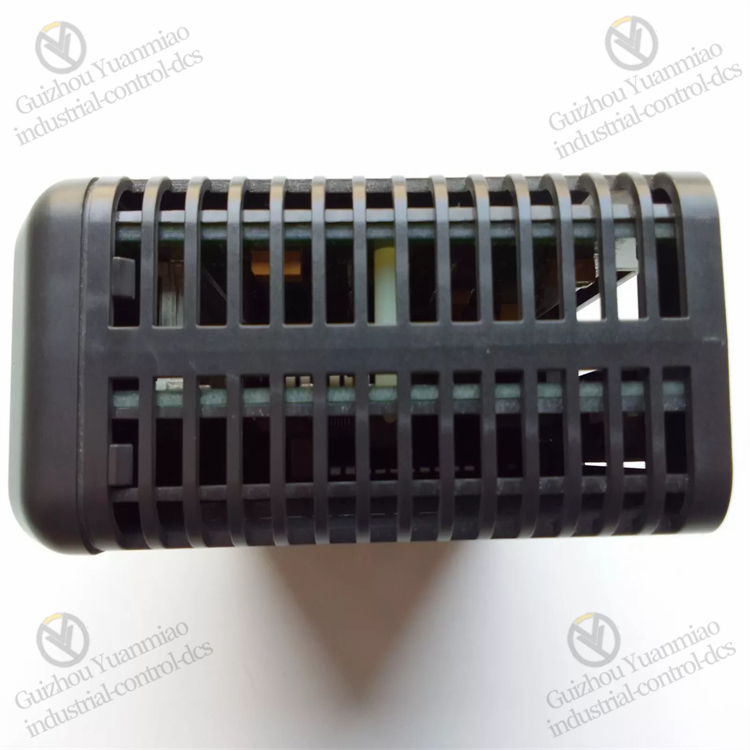
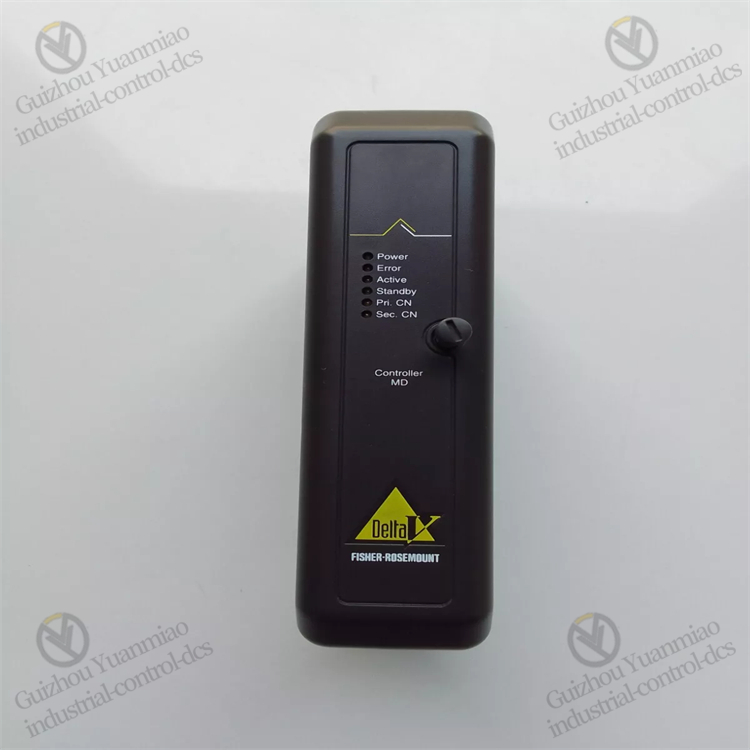
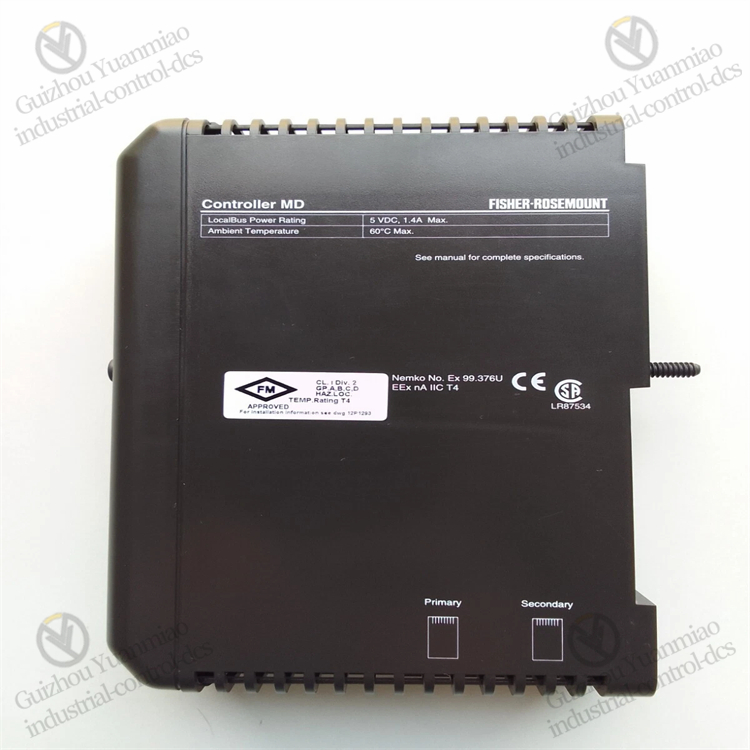
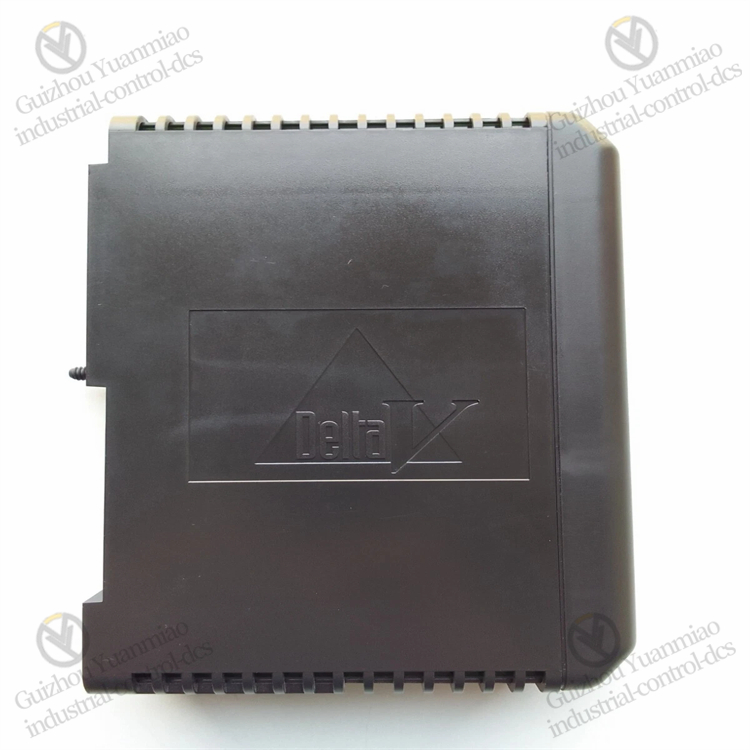
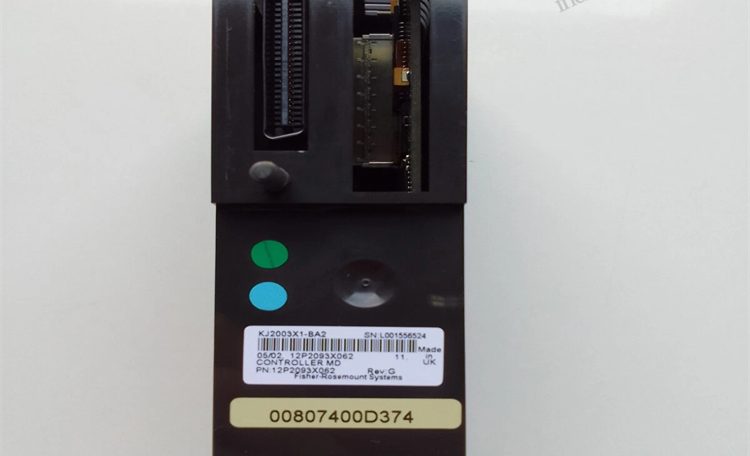
Emerson KJ2003X1-BA2 Controller Module
Technical Parameters:
- Power Supply: Local bus power is 5VDC, 1.4A max.
- Operating Temperature: The operating temperature range is 0℃ to 60℃.
- Dimensions and Weight: Approximately 4.4cm in width, 10.8cm in height, 12.7cm in depth, and weighs about 0.2kg or 0.34kg.
Functional Characteristics:
- Strong Control Capability: As a CPU module of a programmable logic controller (PLC), it can precisely control parameters such as temperature, pressure, and flow in industrial production processes, handle various complex control tasks, provide accurate control for various industrial processes, and ensure optimal performance and efficiency.
- Convenient Communication: Equipped with an Ethernet port, it supports multiple communication protocols such as Profibus DP, DeviceNet, and AS-I, enabling seamless integration with other devices, facilitating fast data transmission and remote access. Operators can monitor and adjust processes in real-time from any location.
- Easy Installation and Maintenance: Adopting a compact design, it is easy to install in space-constrained environments. It features a user-friendly interface, intuitive programming software, and advanced diagnostic and troubleshooting tools, which are convenient for users to monitor equipment status, troubleshoot faults, and perform maintenance operations, thus reducing downtime.
- Good Compatibility: It can be seamlessly integrated with the DeltaV distributed control system and is compatible with traditional I/O cards and modern fieldbus technologies, facilitating system integration and expansion.
- Stable Operation: It has functions such as online upgrade, automatic debugging, and bumpless transfer, allowing system upgrades and maintenance without interrupting control operations. It can operate stably in harsh industrial environments and resist electromagnetic interference (EMI), radio frequency interference (RFI), etc.
Application Fields: It is usually used in fields such as data acquisition, process control, and automation systems. It is widely applied in industries such as oil and gas, refining, chemical engineering, pharmaceuticals, food and beverage, power, pulp and paper, as well as mining and metallurgy. It can participate in various automation control scenarios such as power plant DCS monitoring systems and chemical plant medicinal liquid constant flow computer control systems.
Working Principle
-
Core Control Logic: Closed-loop Control Based on Input-Operation-Output (I/O)
Data Acquisition: The module collects various process parameters (such as temperature, pressure, flow, liquid level, etc.) in real-time from the industrial field through connected input devices like sensors and transmitters (e.g., temperature sensors, pressure transmitters, flow meters). These data are converted into digital signals through the signal processing circuits (such as filtering, amplification, A/D conversion) inside the module and transmitted to the core processor.
Operation Processing: The core processor analyzes and calculates the collected data according to preset control logic (such as PID control algorithm, logical interlocking, sequential control, etc.). For example, in chemical production, if the actual temperature deviates from the set value, the processor will calculate the adjustment amount and determine the actions of the actuators that need to be adjusted (such as valve opening, pump speed, etc.).
Instruction Output: The processor converts the operation results into control signals (through D/A conversion or directly outputting digital signals) and sends them to actuators (such as valves, motors, frequency converters, etc.) through the output interface to adjust the industrial process, keeping the on-site parameters within the set range and forming a closed-loop control. -
Communication and Collaborative Work
Internal Communication: The module exchanges data with I/O cards, expansion modules, etc., through the local bus of the DeltaV system (such as a dedicated backplane bus) to achieve centralized control of multiple loops or devices. For example, it can receive data from multiple sensors at the same time and send control instructions to multiple actuators.
External Communication: Equipped with an Ethernet interface and multiple industrial communication protocols (such as Profibus DP, DeviceNet, etc.), it can communicate with upper computers (such as operator stations, engineer stations), other controllers, or factory information systems (MES, ERP). Operators can monitor process data in real-time and modify control parameters through the upper computer; the module can also upload operating status and alarm information to achieve remote monitoring and collaborative management. -
Reliability Assurance Mechanism
Bumpless Transfer: It supports redundant configuration (such as dual-controller hot standby). When the main controller fails, the standby controller can seamlessly take over the control tasks, avoiding system shutdown and ensuring continuous operation of the process.
Online Maintenance and Upgrade: It allows program updates, parameter modifications, or module replacement without interrupting the control process. Through internal data caching and synchronization mechanisms, it ensures that the control logic is not interrupted during the transfer process.
Anti-Interference Design: The hardware adopts electromagnetic compatibility (EMC) design to resist electromagnetic interference (EMI) and radio frequency interference (RFI) in the industrial field; the software has data verification and error diagnosis functions, which can identify and handle abnormalities such as sensor failures and communication interruptions, trigger alarms, and execute preset safety strategies (such as emergency shutdown, maintaining the current state). -
Programming and Configuration Support
Through the programming software of the DeltaV system (such as DeltaV Explorer), engineers can graphically configure the control logic (without complex codes), define input and output signals, set control parameters, write interlocking logic, etc. After the configuration is completed, the program is downloaded to the module through the communication interface, and the module runs automatically according to the preset logic.
Summary
The KJ2003X1-BA2 controller module realizes precise and stable control of industrial processes through the “acquisition-operation-output” closed-loop control logic, combined with efficient communication capabilities and reliability design. At the same time, it supports collaboration with upstream and downstream systems. It is a core component for realizing automatic control in the DeltaV distributed control system and is widely applicable to industrial scenarios that require high-precision and high-reliability control.
The KJ2003X1-BA2 controller module realizes precise and stable control of industrial processes through the “acquisition-operation-output” closed-loop control logic, combined with efficient communication capabilities and reliability design. At the same time, it supports collaboration with upstream and downstream systems. It is a core component for realizing automatic control in the DeltaV distributed control system and is widely applicable to industrial scenarios that require high-precision and high-reliability control.
Reviews
There are no reviews yet.