

Description
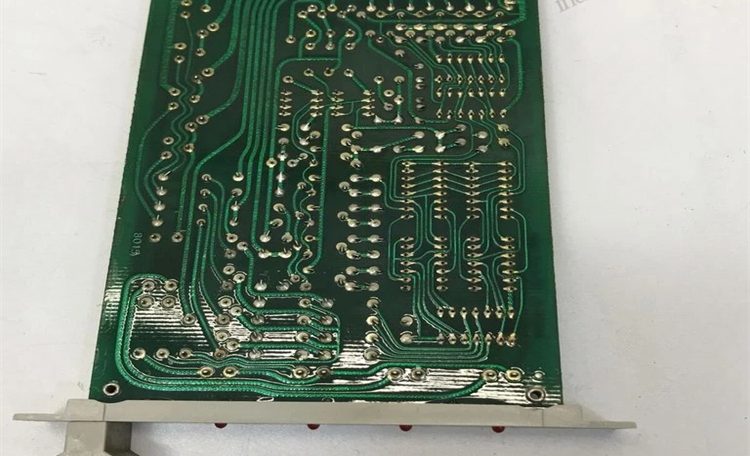
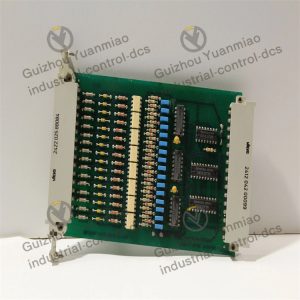
HIMA F1101 PLC Analog Input Module
Main Features:
- Input Channels: 16-bit, 16 channels.
- Input Voltage Range: 0-10VDC for single-ended input, ±10VDC for differential input.
- Resolution: 12-bit.
- Sampling Rate: 100Hz.
- Built-in Multiplexer: Allows up to 16 analog inputs to be connected to the module.
- Digital Input Characteristics: Equipped with 64 safety-related digital inputs (24V), which can be used for digital signals, contact sensors, and proximity switches (two-wire system). The module is provided with 8 short-circuit protection power supplies, each powering 8 power supply outputs (S1+ to S8+), and each digital input is assigned a power supply output.
- Processor System: Adopts a safety-related 1oo2 processor system for controlling and monitoring I/O levels. The data and status of the I/O module are transmitted to the processor module via a redundant system bus, and the system bus has a redundant structure to ensure availability.
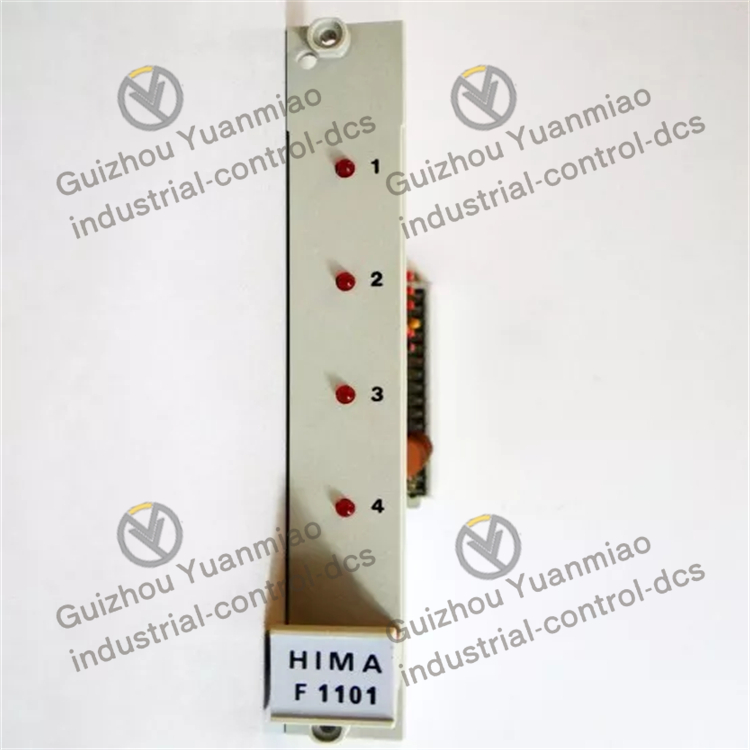
- Module Status Indication: Equipped with LEDs to indicate the status of digital inputs.
- Dimensions: 2cm × 6cm × 10.4cm.
Working Principle:
The module collects analog signals through the built-in multiplexer, converts them into digital signals, which are then processed and monitored by the 1oo2 processor system. The processed data is transmitted to other modules or processors via the redundant system bus, and at the same time, the status can be indicated through LEDs according to the digital input status.
The module collects analog signals through the built-in multiplexer, converts them into digital signals, which are then processed and monitored by the 1oo2 processor system. The processed data is transmitted to other modules or processors via the redundant system bus, and at the same time, the status can be indicated through LEDs according to the digital input status.
Application Fields:
- Power Industry: It can be used for operation monitoring of generator sets, collecting analog signals such as temperature, pressure, and flow, helping operators keep abreast of the unit status and ensuring the stable operation of generator sets. It can also be applied in substations to monitor parameters such as voltage and current, providing guarantees for the safe and stable power supply of the power system.
- Chemical Industry: In the chemical production process, it is used to monitor parameters such as temperature, pressure, and liquid level in the reactor, as well as analog signals such as flow and composition of fluids in pipelines, so as to adjust the production process in a timely manner, ensure product quality and production safety, and prevent accidents.
- Oil and Gas Industry: Suitable for links such as oil and gas field exploitation and transportation. It can collect pressure and temperature signals at wellheads, as well as flow and pressure signals in oil and gas transmission pipelines, realizing the monitoring and management of the entire production and transportation process, and ensuring the safe and efficient production and transportation of oil and gas.
- Pharmaceutical Industry: In pharmaceutical production lines, it is used to monitor environmental parameters such as temperature, humidity, and pressure during drug production, as well as relevant quality parameters of raw materials and finished products, which helps to ensure that drug production meets GMP standards and guarantees the stability and consistency of drug quality.
- Iron and Steel Metallurgy Industry: It can be used to monitor analog signals such as furnace temperature and pressure of blast furnaces, as well as the thickness and temperature of steel during rolling, providing data support for the automatic control of the steel production process and improving production efficiency and product quality.
- Mechanical Manufacturing Industry: Commonly used in equipment such as CNC machine tools to collect analog signals such as tool temperature and cutting force, helping to optimize processing techniques and improve processing accuracy and the stability of equipment operation. It can also be used for vibration monitoring of large and medium-sized rotating machinery, such as steam turbines, compressors, and fans. By collecting vibration signals, potential equipment faults can be detected in a timely manner to achieve predictive maintenance.
- Water Treatment Industry: In sewage treatment plants and waterworks, it can collect analog signals such as water quality parameters (e.g., pH, turbidity), water level, and flow, realizing the automatic control of the water treatment process and ensuring that water quality meets standards and water supply is stable.
- Fire Protection Field: It can be connected to various fire detectors and other equipment to collect analog signals such as smoke concentration and temperature, monitor fire hazards in real-time, and promptly trigger alarm systems and activate corresponding fire-fighting facilities once abnormal signals are detected, ensuring the safety of personnel and property.
- Nuclear Power Industry: Used in the safety monitoring system of nuclear power plants to collect key parameters such as temperature, pressure, and liquid level of reactors, as well as operating status signals of related equipment, providing reliable monitoring data for the safe operation of nuclear power plants, ensuring that abnormalities can be detected in a timely manner and corresponding measures can be taken under any circumstances, and guaranteeing the safe and stable operation of nuclear power plants.
Reviews
There are no reviews yet.