

Description
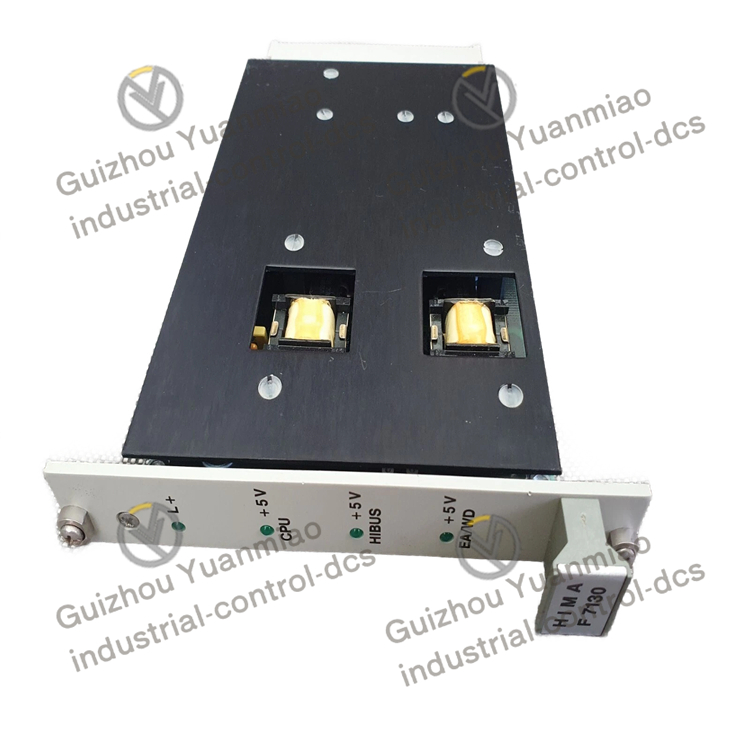
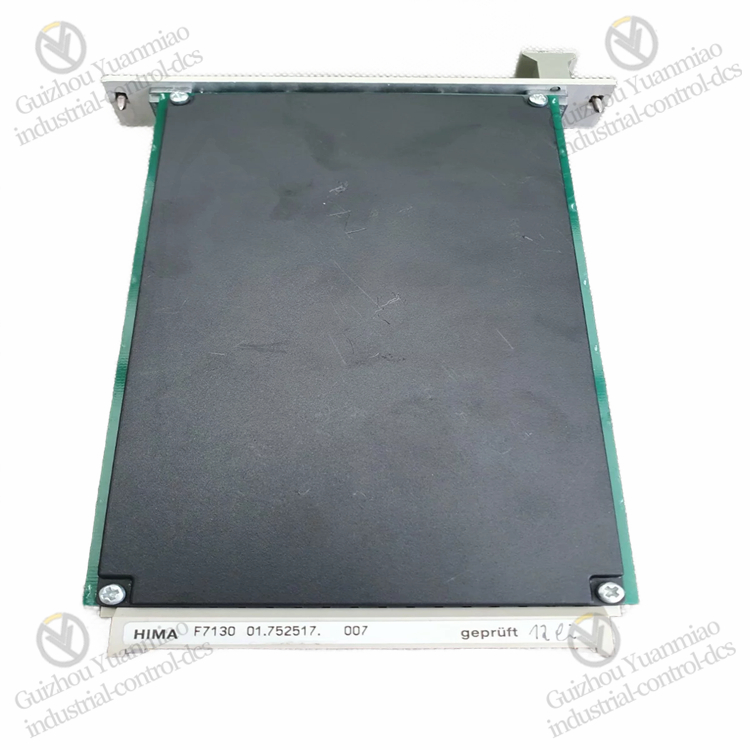
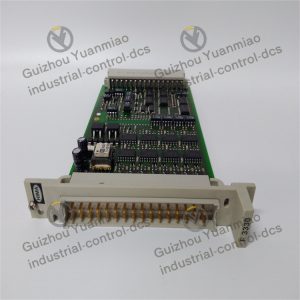
HIMA F7130 DC/DC Power Converter Module
HIMA F7130 is a DC/DC power converter module, mainly used to provide stable power for industrial automation systems, and is often applied in scenarios with high safety requirements. The specific introduction is as follows:
Functional Features:
- Voltage Conversion: It usually converts 24V DC input into a stable 5V DC output to supply power to systems such as PES H41q. It ensures electrical isolation, improving power stability and system safety.
- Overvoltage Protection: It integrates an overvoltage protection function, which can prevent damage to the module and connected equipment due to excessive voltage, ensuring the safe operation of the system.
- Current Limiting Protection: It has a current limiting function, which can ensure the safe operation of the module when the load changes, avoiding faults caused by abnormal current.
- Short-Circuit Protection: The output circuit has short-circuit protection capability. When a short-circuit occurs, it can respond promptly to protect circuit components and equipment.
- Status Indication: The front panel of the module is usually equipped with LED indicators, which can display the status of input voltage (L +) and output voltage, allowing users to intuitively understand the working condition of the module.
Technical Parameters:
- Input Voltage: Generally 24V DC, allowing a certain range of fluctuations, such as -15% to +20%, with ripple less than 15%.
- Output Voltage: 5V DC, with an accuracy usually of ±0.25V.
- Output Current: It can provide 10A current for central equipment or IO modules, and 1A current for Hibus.
- Efficiency: The efficiency is not less than 70%, which can effectively reduce energy loss.
- Operating Temperature: The operating temperature range is generally -20℃ to +60℃, and the storage temperature is -40℃ to +85℃.
- Humidity: The humidity range is usually 5% to 95% (non-condensing).
- Dimensions: Approximately 127mm x 25mm x 203mm, with a compact size, facilitating installation in places with limited space such as control cabinets.
- Weight: Approximately 300g, lightweight, which is beneficial for installation and maintenance.

Working Principle
Power Input and Primary Conversion
It receives externally input DC power (common input ranges such as 24V DC or 48V DC, specific parameters need to refer to the model) and converts the input voltage into an intermediate DC voltage through an internal power conversion circuit (such as high-frequency switching conversion technology), achieving preliminary adjustment of the voltage level.
It receives externally input DC power (common input ranges such as 24V DC or 48V DC, specific parameters need to refer to the model) and converts the input voltage into an intermediate DC voltage through an internal power conversion circuit (such as high-frequency switching conversion technology), achieving preliminary adjustment of the voltage level.
Electrical Isolation and Anti-Interference Processing
It adopts electromagnetic isolation (such as high-frequency transformer isolation) technology to electrically isolate the input side from the output side, effectively blocking noise, ground loops, or surge interference in the input power supply, and avoiding the impact of external power fluctuations on sensitive circuits (such as controllers, signal modules) inside the safety control system. At the same time, the isolation design also reduces the risk conduction from the input side to the output side when the module fails, meeting the “fault isolation” requirement of the safety system.
It adopts electromagnetic isolation (such as high-frequency transformer isolation) technology to electrically isolate the input side from the output side, effectively blocking noise, ground loops, or surge interference in the input power supply, and avoiding the impact of external power fluctuations on sensitive circuits (such as controllers, signal modules) inside the safety control system. At the same time, the isolation design also reduces the risk conduction from the input side to the output side when the module fails, meeting the “fault isolation” requirement of the safety system.
Voltage Regulation and Output Protection
The converted voltage is precisely stabilized through an internal voltage stabilization circuit (such as a feedback regulation loop) to ensure the accuracy of the output voltage (usually with an error range within ±2%), meeting the strict requirements of safety modules (such as F7115 and other signal processing modules) for power supply stability. In addition, it integrates functions such as overcurrent protection, overvoltage protection, and short-circuit protection. When the output end has overload, short-circuit, or voltage abnormalities, the module will automatically limit the output current or turn off the output to prevent damage to downstream equipment. It can automatically recover after the fault is eliminated or reset through an external signal.
The converted voltage is precisely stabilized through an internal voltage stabilization circuit (such as a feedback regulation loop) to ensure the accuracy of the output voltage (usually with an error range within ±2%), meeting the strict requirements of safety modules (such as F7115 and other signal processing modules) for power supply stability. In addition, it integrates functions such as overcurrent protection, overvoltage protection, and short-circuit protection. When the output end has overload, short-circuit, or voltage abnormalities, the module will automatically limit the output current or turn off the output to prevent damage to downstream equipment. It can automatically recover after the fault is eliminated or reset through an external signal.
Status Monitoring and Feedback
The module has a built-in status monitoring circuit, which feeds back the operation status in real-time through LED indicators (such as normal power supply, fault, overload, etc.). At the same time, it can transmit power status information to the system through a communication interface (such as the internal bus with the HIMA controller), facilitating remote monitoring and fault diagnosis, and ensuring the maintainability of the power supply system.
The module has a built-in status monitoring circuit, which feeds back the operation status in real-time through LED indicators (such as normal power supply, fault, overload, etc.). At the same time, it can transmit power status information to the system through a communication interface (such as the internal bus with the HIMA controller), facilitating remote monitoring and fault diagnosis, and ensuring the maintainability of the power supply system.

Application Fields
Safety Instrumented System (SIS) and Emergency Shutdown System (ESD)
In process industries such as petrochemical and coal chemical industries, it provides isolated power for core components in SIS/ESD systems, such as safety controllers (such as HIMatrix, HIMax series), input/output modules (such as F7115 signal modules), and communication modules. It ensures that safety logic operations and signal processing functions are not affected when external power fluctuates or is interfered, guaranteeing the reliable execution of safety functions such as emergency shutdown and interlock protection.
In process industries such as petrochemical and coal chemical industries, it provides isolated power for core components in SIS/ESD systems, such as safety controllers (such as HIMatrix, HIMax series), input/output modules (such as F7115 signal modules), and communication modules. It ensures that safety logic operations and signal processing functions are not affected when external power fluctuates or is interfered, guaranteeing the reliable execution of safety functions such as emergency shutdown and interlock protection.
Fire and Gas Monitoring System (F&G)
In places with flammable and explosive risks such as natural gas processing plants and oil refineries, it provides stable power for flame detectors, combustible gas sensors, alarm controllers, and other equipment, avoiding monitoring failure due to power supply faults, and ensuring timely response to dangerous conditions such as fires and leaks.
In places with flammable and explosive risks such as natural gas processing plants and oil refineries, it provides stable power for flame detectors, combustible gas sensors, alarm controllers, and other equipment, avoiding monitoring failure due to power supply faults, and ensuring timely response to dangerous conditions such as fires and leaks.
Rail Transit Safety Control
In the signal safety systems of subways and high-speed railways, it supplies power to safety-related equipment such as track occupancy detection modules and emergency braking control units. Through the isolation design, it resists strong electromagnetic interference along the track (such as traction system interference), ensuring the stability of the train operation safety interlock function.
In the signal safety systems of subways and high-speed railways, it supplies power to safety-related equipment such as track occupancy detection modules and emergency braking control units. Through the isolation design, it resists strong electromagnetic interference along the track (such as traction system interference), ensuring the stability of the train operation safety interlock function.
Nuclear Power and High-Risk Chemical Links
In scenarios with extreme safety requirements such as nuclear power auxiliary systems and toxic chemical production devices, it serves as a part of the redundant power supply system (cooperating with power redundancy modules) to provide dual or multiple power supply guarantees, meeting the requirement of “no single point of failure” for power supplies in safety integrity level 3 (SIL 3) and above.
In scenarios with extreme safety requirements such as nuclear power auxiliary systems and toxic chemical production devices, it serves as a part of the redundant power supply system (cooperating with power redundancy modules) to provide dual or multiple power supply guarantees, meeting the requirement of “no single point of failure” for power supplies in safety integrity level 3 (SIL 3) and above.
Reviews
There are no reviews yet.