

Description
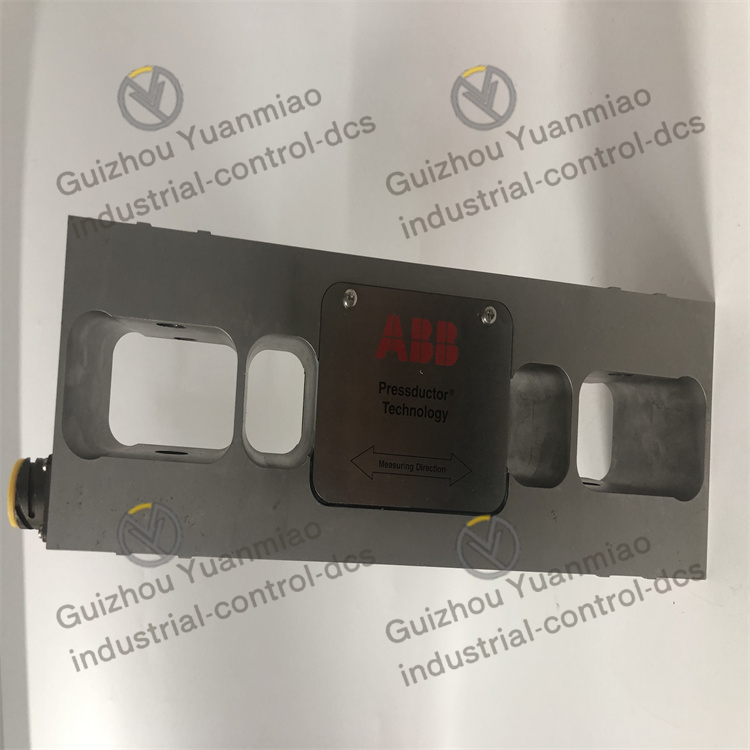
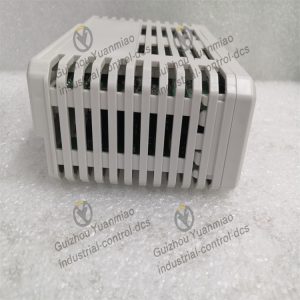
ABB PFTL101B 2.0KN high-precision tension sensor
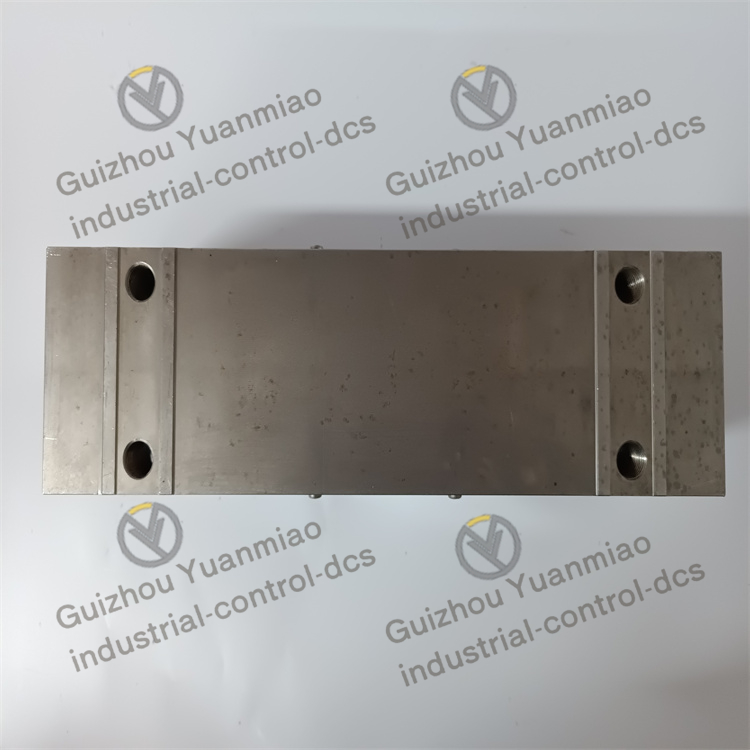
Working principle: Based on the principle of piezomagnetic measurement, the sensor is composed of a stack of specially treated laminated plates as the measuring body. The primary and secondary windings pass through four holes on the sensor and are perpendicular to each other. When the sensor is subjected to mechanical force in the measurement direction, the propagation of the magnetic field changes, generating a magnetic field around the secondary winding, thereby inducing an alternating voltage in this winding. The control unit converts this alternating voltage into a direct current voltage proportional to the applied force.
Product features: Made of stainless steel, it has excellent corrosion resistance and is suitable for harsh environments. It has good anti-vibration performance; It has a temperature compensation function, which can compensate for the influence of temperature changes on the measurement results.
Technical parameters:
Measurement range: 2-20 kN, suitable for measuring tension within this range.
Accuracy: ±0.2% FS, capable of achieving high-precision measurement and ensuring the accuracy and reliability of the measurement results.
Output signal: mV/V, this is a common sensor output form, which is convenient for connection with subsequent measurement and control devices.
Operating temperature range: -40℃ to + 80℃, capable of adapting to various temperature conditions in industrial environments and maintaining stable performance over a wide temperature range.
Protection grade: IP66/67, featuring excellent dust-proof and water-proof performance. It can effectively resist dust intrusion and water spray, and can operate stably in harsh industrial site environments.
Connection method: For PFTL101B, it is usually connected by a cylindrical plug. The PFTL101BE, on the other hand, is connected by a fixed cable. Users can choose it based on their actual application scenarios and installation requirements.
Application scenarios: In the papermaking industry, it is often used for tension measurement on equipment such as paper machines, calendering machines, coating machines and winding machines. It can also be used in other industrial scenarios where precise measurement of the tension of strips or wires is required, such as steel rolling production lines in the metallurgical industry and web printing machines in the printing industry.
Reviews
There are no reviews yet.