

Description
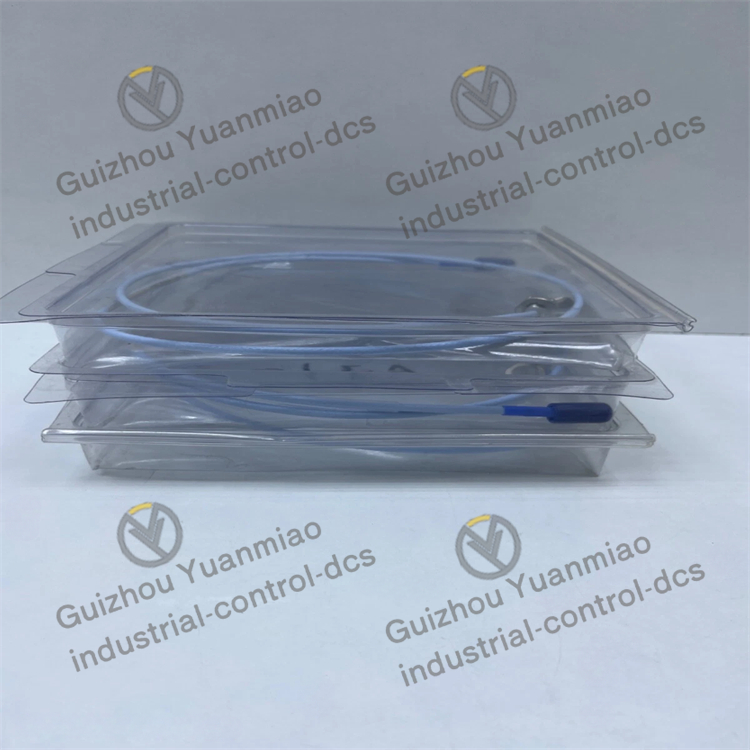
BENTLY 330130-080-00-00 extension cable
Product Features
Signal transmission stability: By using high-quality cable materials and advanced shielding technology, it can effectively suppress electromagnetic interference and radio frequency interference, keeping signal attenuation at an extremely low level. This ensures that the weak signals collected by the eddy current sensor can be accurately and stably transmitted to the monitoring equipment or control system, providing a reliable data basis for the precise monitoring and analysis of equipment status.
Environmental adaptability: It has excellent temperature resistance and can operate normally within an ambient temperature range of -20 ℃ to 85℃, adapting to various harsh industrial environments. Meanwhile, the cable has certain waterproof, dustproof and anti-corrosion capabilities, and can resist the erosion of oil stains, water vapor and chemical substances in industrial sites, ensuring long-term stable operation.
Mechanical properties: It has good flexibility and tensile strength, can withstand a certain degree of bending and tensile stress, and is not prone to breakage or damage during installation and use. This enables the cables to be flexibly laid in the complex wiring environment of industrial sites and to adapt to the vibrations and displacements generated during equipment operation.
Application field
Rotating machinery monitoring: Widely applied in large-scale rotating mechanical equipment in industries such as power, petrochemical, and metallurgy, including steam turbines, generators, compressors, and fans. It is used to monitor key parameters such as shaft vibration, shaft displacement and eccentricity of these devices. By installing eddy current sensors on the bearing housing, journal and other parts of the equipment, and using the 330130-080-00-00 extension cable to transmit the sensor signals to the monitoring system, real-time monitoring of the equipment’s operating status and fault early warning can be achieved. Ensure the safe and stable operation of the equipment.
Reciprocating machinery monitoring: It is also applied in the monitoring of some reciprocating compressors, internal combustion engines and other equipment. By monitoring parameters such as the piston displacement and connecting rod vibration of the equipment, and transmitting sensor signals to the monitoring system via extension cables, maintenance personnel can promptly identify potential issues such as wear and loosening of the equipment, thereby enhancing its reliability and service life.
Other industrial equipment monitoring: It can also be used for some industrial equipment with high requirements for position accuracy and vibration state, such as machine tools, printing machines, centrifuges, etc. By precisely monitoring the positions and vibration conditions of the key components of the equipment and transmitting signals to the control system via cables, precise control and quality inspection of the equipment can be achieved, thereby enhancing production efficiency and product quality.

Reviews
There are no reviews yet.