

Description
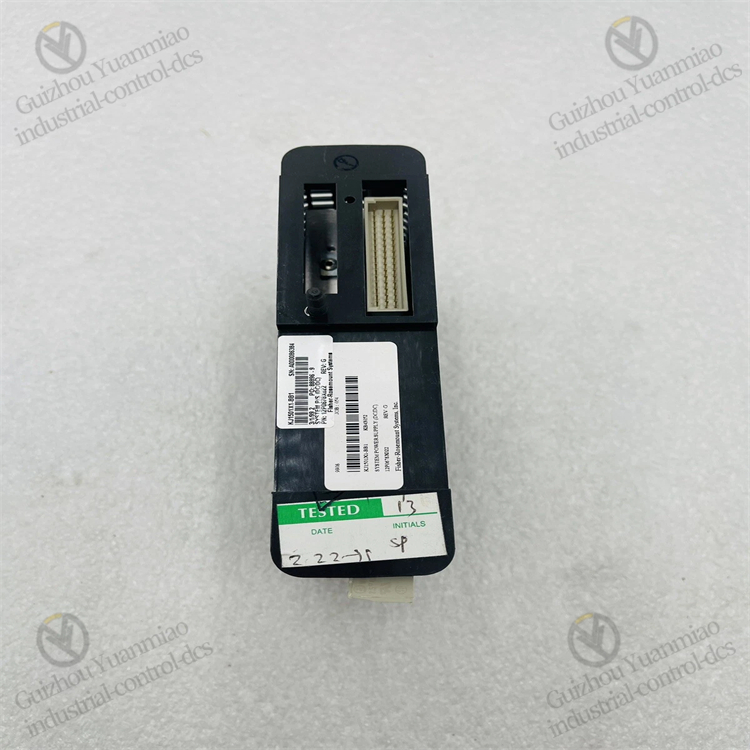
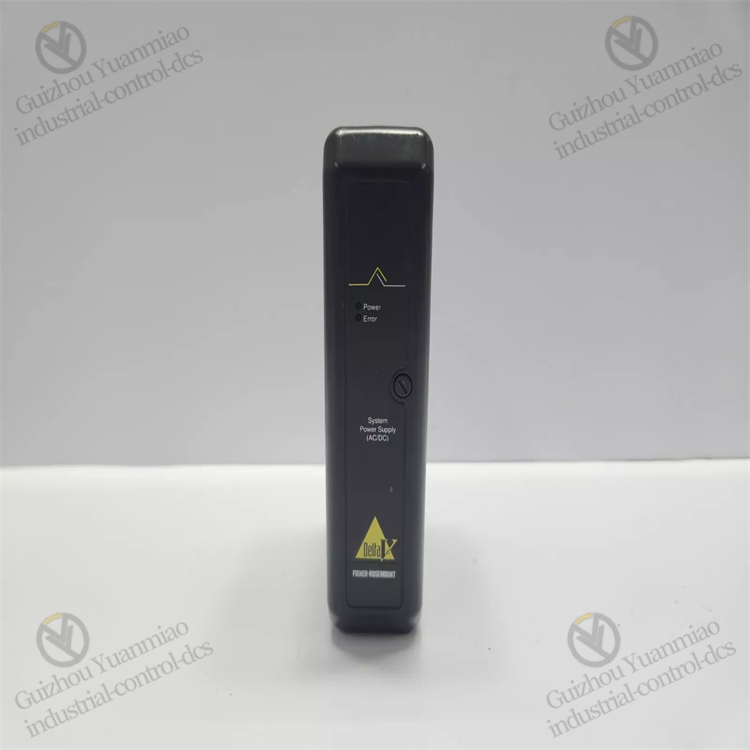
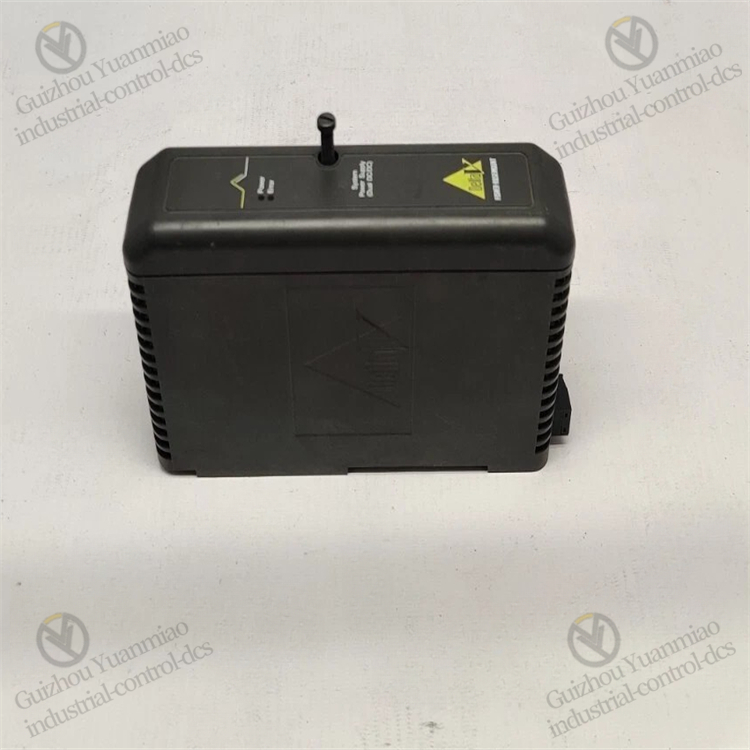
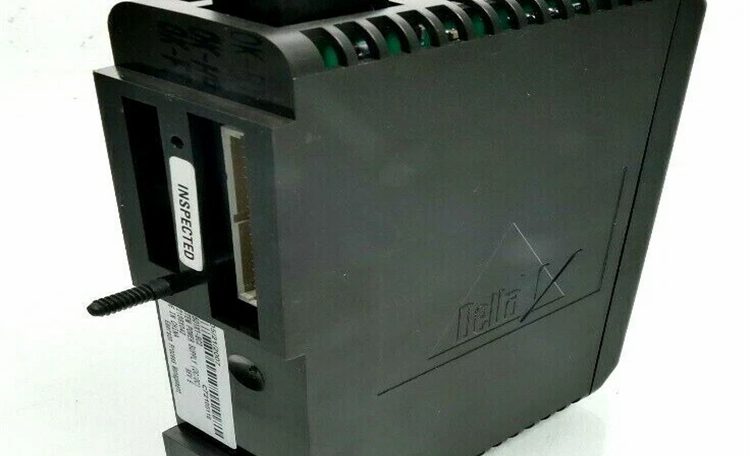
Emerson KJ1501X1-BE1 Digital Input/Output Module
Emerson KJ1501X1-BE1 is an important module in the DeltaV Distributed Control System (DCS), mainly positioned as a digital input/output module. It is used for on-site digital signal acquisition and execution of control commands, playing a key role in connecting on-site equipment and system controllers in industrial automation control. The following is a detailed introduction from three aspects: functional characteristics, working principles, and application scenarios:
I. Functional Characteristics
- Bidirectional Digital Signal Processing: Supports multiple channels of digital input (DI) and digital output (DO). It can simultaneously collect switch status signals of on-site equipment (such as valve open/close, motor running/stopped, etc.) and output control signals to drive actuators (such as relays, solenoid valves, etc.) to realize remote control of on-site equipment.
- High Reliability Design: Has strong anti-interference ability. It isolates the internal circuit of the module from on-site signals through photoelectric isolation technology, effectively resisting electromagnetic interference, surges, and other interference factors in industrial environments, ensuring the accuracy of signal transmission.
- Fast Response Capability: The input and output response time is short (usually in milliseconds), which can timely capture changes in on-site signals and quickly execute control commands, meeting the real-time requirements in industrial production.
- Self-Diagnosis and Alarm Function: Equipped with a built-in diagnostic circuit, it can real-time monitor the working status of the module itself (such as power failure, channel failure, etc.). When an abnormality occurs, it sends an alarm signal to the controller through the DeltaV system bus, facilitating maintenance personnel to quickly locate the fault.
- Compatibility with Industrial Standards: Supports wide-temperature operation (usually -40°C to 70°C) to adapt to harsh industrial environments; complies with safety certifications such as ATEX and IECEx, and can be used in hazardous areas (such as Class I, Division 2), ensuring safe operation in flammable and explosive scenarios.
II. Working Principles
-
Signal Isolation and Conversion
For digital input: The switch signals of on-site equipment (such as dry contacts, DC voltage signals) enter the module through optocouplers. Photoelectric isolation electrically isolates the on-site side from the internal circuit of the module to prevent on-site high voltage or interference signals from affecting system stability. Then, the signals are processed into standard digital levels (such as 5V or 24V) by the shaping circuit and sent to the internal processor.
For digital output: After the control commands of the controller are processed by the internal logic circuit of the module, the digital signals are converted into power signals (such as 24VDC output) that can drive on-site actuators through the drive circuit (such as relays, MOSFETs). At the same time, the output status is monitored through the feedback circuit to ensure the accurate execution of commands. -
Data Communication and Control
The module is connected to the controller through the high-speed bus of the DeltaV system (such as Profibus or a dedicated communication protocol), uploads the collected digital input signals to the controller, and receives digital output commands issued by the controller. The internal microprocessor is responsible for signal caching, verification, and protocol conversion to ensure efficient and reliable data transmission between the module and the controller. -
Fault Protection Mechanism
When overcurrent, short circuit, or abnormal module power supply is detected, the built-in protection circuit will quickly cut off the output channel or trigger an alarm to prevent module damage or impact on on-site equipment. After the fault is 排除,normal operation can be restored through system reset.
III. Application Scenarios
With its digital signal processing capability and high reliability, the KJ1501X1-BE1 module is widely used in industrial scenarios that require switch control and status monitoring of on-site equipment:
- Chemical and Pharmaceutical Industries: Used to monitor safety interlock signals of reaction kettles (such as pressure over-limit alarms, door cover closing status) and control the opening and closing of feed valves and discharge valves to ensure that the production process is executed according to process logic and avoid dangerous working conditions.
- Power Industry: In auxiliary systems of power plants (such as water treatment and coal conveying systems), it collects operation status signals of pump sets and fans, and outputs control signals to start and stop equipment, realizing automatic control of auxiliary systems.
- Oil and Gas Industry: In the oil and gas pipeline transportation link, it monitors the switch status of valves and trigger signals of pressure switches, and controls the action of emergency shut-off valves to ensure the safe operation of pipelines.
- Food and Beverage Industry: Used in packaging machines, filling machines, and other equipment on production lines to collect equipment operation readiness signals and fault signals, and control the start and stop of conveyors and the opening and closing of filling valves, realizing automatic linkage of the production process.
- Metallurgical Industry: In steelmaking and rolling production lines, it monitors the temperature switch status of heating furnaces and limit signals of conveyors, and outputs signals to control gates, motors, and other equipment to ensure stable production rhythm.
In conclusion, through efficient digital signal processing and reliable industrial design, the KJ1501X1-BE1 module has become a key node connecting on-site equipment and the control layer in the DeltaV system, providing important support for the stable operation of industrial automation production.
Reviews
There are no reviews yet.