

Description
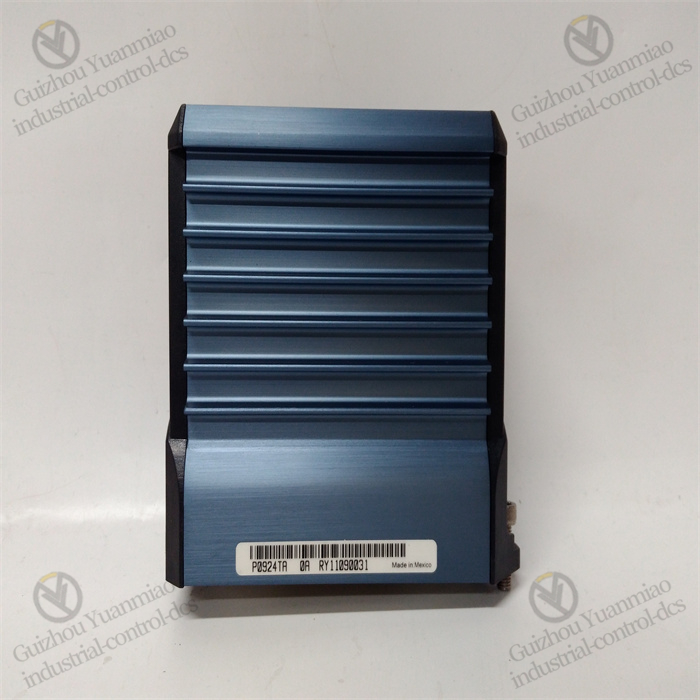
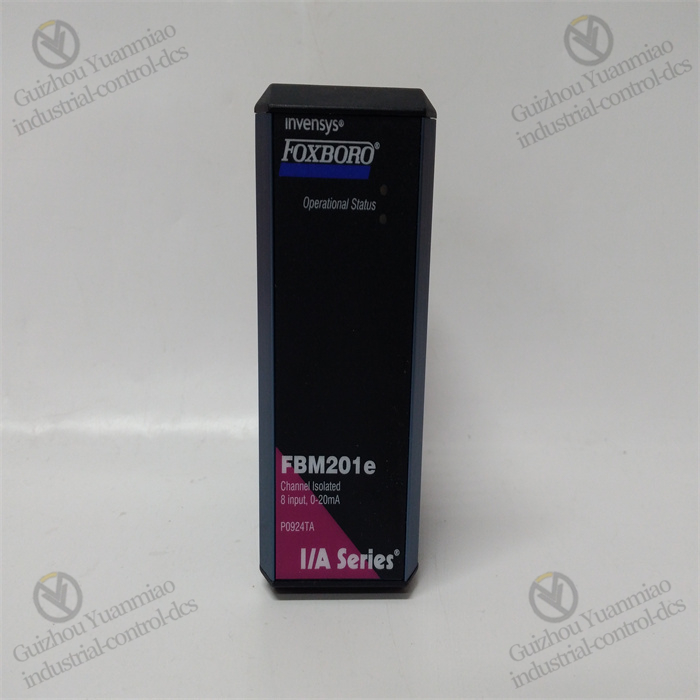
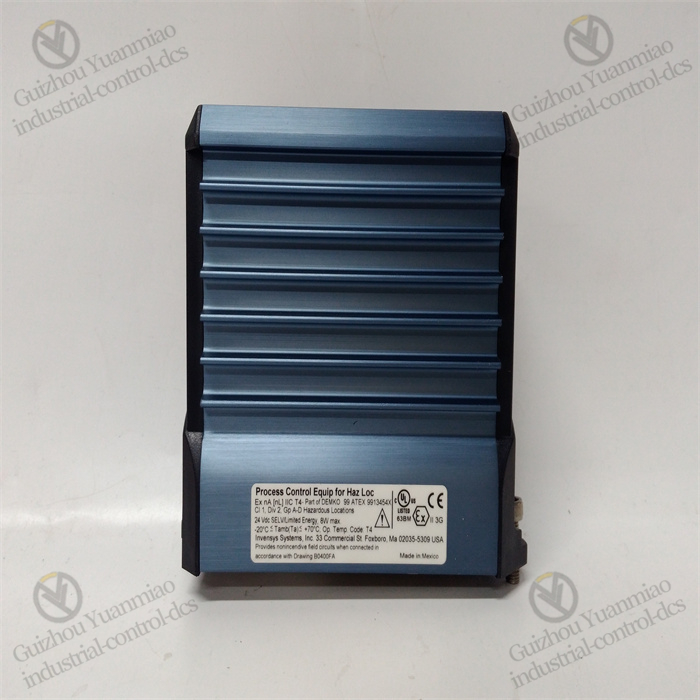
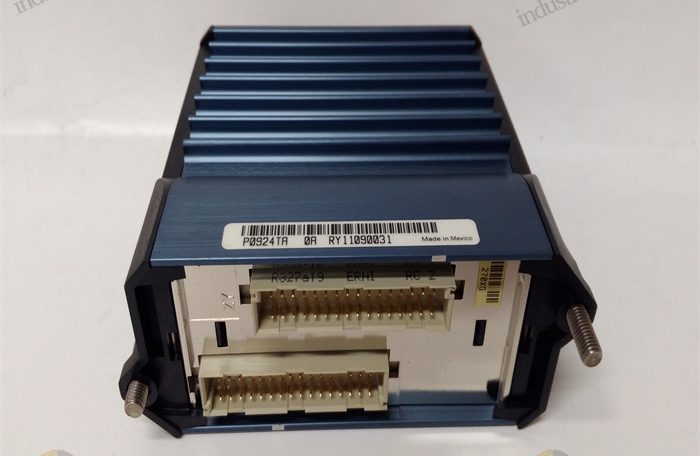
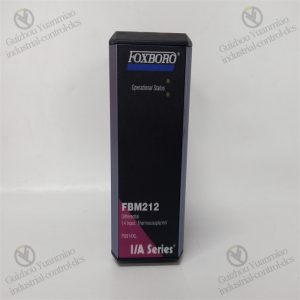
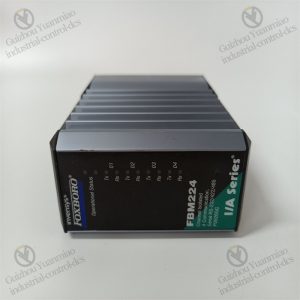
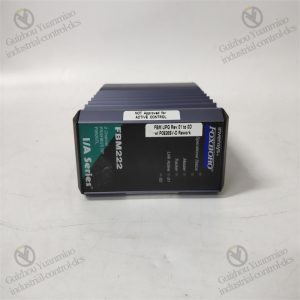
Foxboro P0924TR industrial control module
As a module related to Sequential Function Chart (SFC), the working principle of Foxboro P0924TR centers on sequential logic control. It realizes the control logic for the orderly execution of industrial processes according to predetermined procedures by managing steps, actions, and transition conditions. Specifically, it can be broken down into the following key links:
- Logical Architecture Based on Sequential Function Chart (SFC)
Sequential Function Chart (SFC) is a standardized graphical programming language used to describe the time-driven or event-driven sequential behavior of control systems. The working logic of the P0924TR module operates entirely based on the core elements of SFC, including:
- Step: Represents a stable state of the control system. Each step corresponds to a specific set of output actions (such as starting equipment, opening valves, etc.). The module will real-time monitor the currently active step and execute the actions associated with that step.
- Transition: The condition connecting two steps. When the preset transition conditions (such as time arrival, sensor signal triggering, parameter reaching the standard, etc.) are met, the module will switch from the current step to the next step.
- Action: The specific operations that need to be performed in each step (such as controlling the operation of a motor, adjusting the opening of a valve, etc.). The module will drive external equipment to complete the corresponding actions according to the activation state of the step.
- Mechanism for Activation and Switching of Steps
The core workflow of the module is the orderly activation and switching of steps, and the specific process is as follows:
- Initial step startup: When the system starts, the module will activate the preset initial step and execute the actions corresponding to that step (such as starting a certain pump, turning on an indicator light, etc.).
- Monitoring of transition conditions: During the activation of the current step, the module continuously monitors the transition conditions connected to the next step (achieved by collecting sensor signals, timer signals, or other external trigger signals).
- Switching after conditions are met: When all transition conditions are satisfied (such as “temperature reaching the set value” and “pressure being stable”), the module will terminate the actions of the current step and activate the next step, while executing the actions corresponding to the new step.
- Loop or branch control: According to the SFC logic design, step switching can form a linear process, a loop process (such as repeating a certain section of operations), or a branch process (entering different sub-processes according to different conditions). The module will automatically select the path according to the preset logic.
- Interaction Logic with External Equipment
- Signal input: The module receives signals from sensors, instruments, or other control systems (such as analog or switching quantities like temperature, pressure, liquid level, etc.) through external interfaces, which serve as the basis for judging transition conditions.
- Action output: According to the currently active step, the module sends control signals to actuators (such as motors, valves, relays, etc.) through output interfaces to drive the equipment to complete actions.
- Status feedback: The module will real-time collect the operating status of external equipment (such as “valve has been opened”, “motor is running normally”), which serves as an auxiliary judgment basis for whether a step is completed and whether to proceed to the next step, ensuring that actions are executed in place.
- Stability and Safety Assurance
- Logical interlocking: The module supports the setting of interlocking conditions to prevent conflicting actions (such as opening two mutually exclusive valves at the same time), ensuring the safety of step switching and action execution.
- Fault handling: If an abnormality occurs during the execution of a step (such as sensor failure, equipment timeout without response), the module can trigger a preset fault handling process (such as activating an alarm step, stopping current actions, switching to safe mode) to avoid system out of control.
Example Illustration
Take the process of “feeding into the reactor → heating → stirring” in chemical production as an example:
Take the process of “feeding into the reactor → heating → stirring” in chemical production as an example:
- Step 1 (feeding): The module activates the “feeding” step, controls the feeding valve to open (action), and simultaneously monitors the transition condition of “feeding amount reaching the set value”.
- Transition condition met: When the flowmeter signal indicates that the feeding amount meets the standard, the transition condition is established. The module closes the feeding valve (terminates the action of Step 1) and activates the “heating” step.
- Step 2 (heating): Starts the heating device (action), monitors the condition of “temperature reaching the reaction temperature”, and switches to the “stirring” step after the condition is met, and so on.
Through this logic, the P0924TR module can accurately control industrial processes to execute in the preset order, ensuring the standardization and stability of production.
Reviews
There are no reviews yet.