

Description
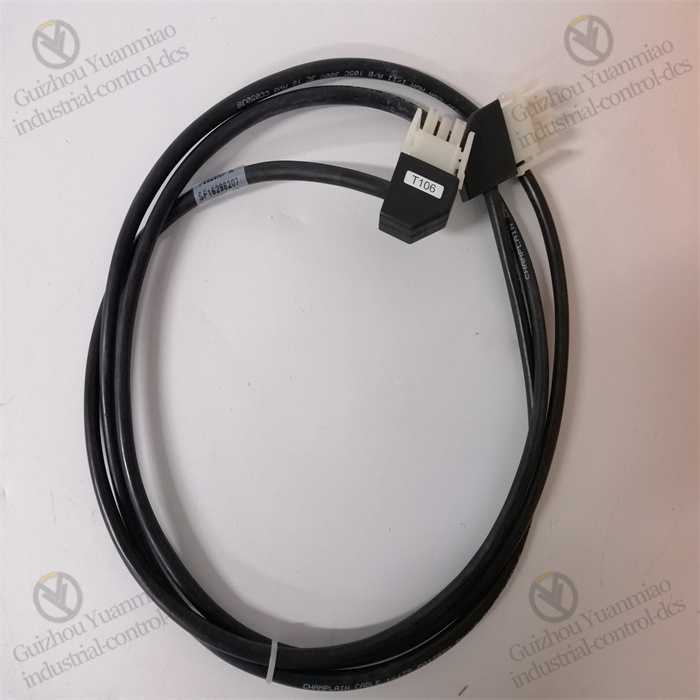
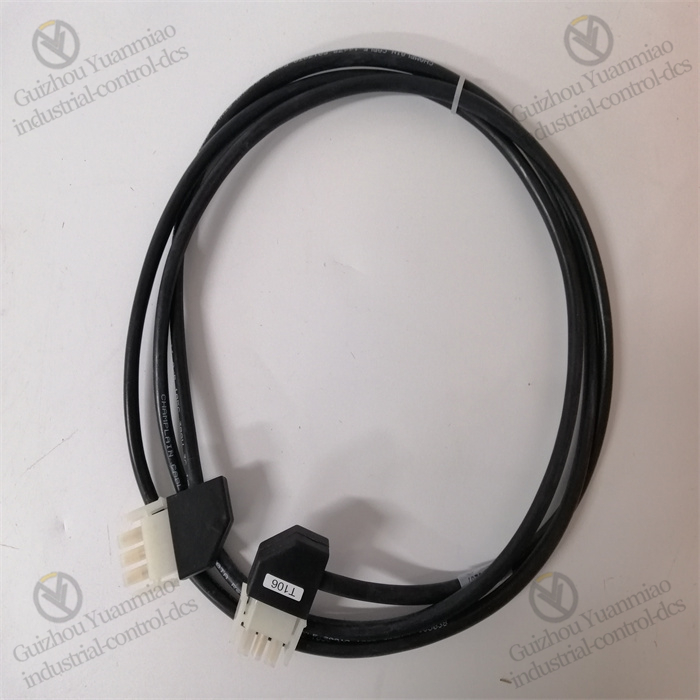
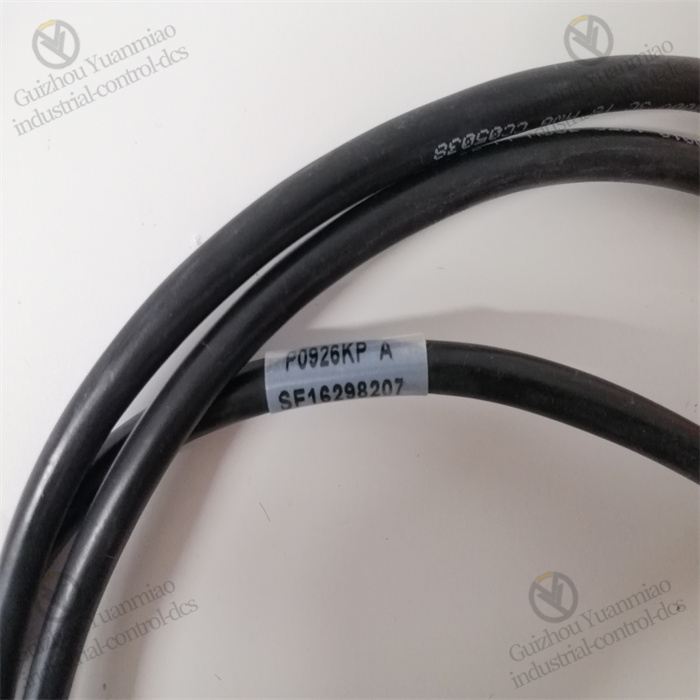
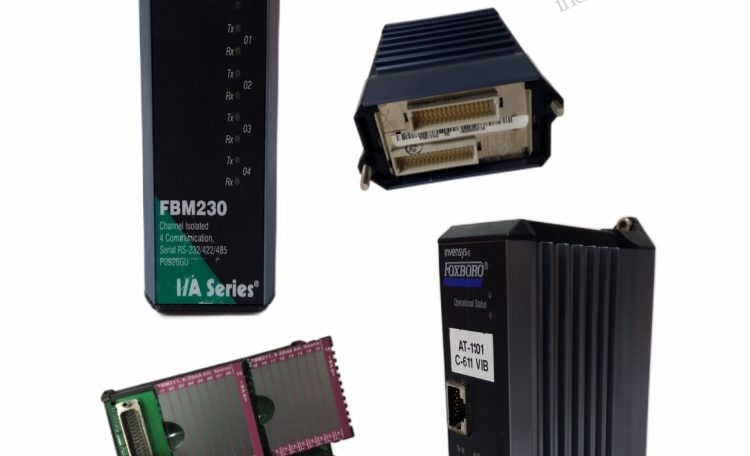
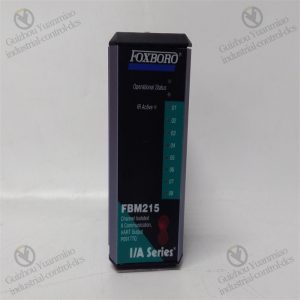
Foxboro P0926KP DCS System Module
Performance Features:
- Strong control capability: It has high-performance control capability and can execute complex control strategies and algorithms. In industrial production such as chemical industry, petroleum and natural gas, it can accurately control various production processes, ensuring the efficiency and stability of production, as well as product quality and production efficiency.
- Rich communication interfaces: It is usually equipped with multiple communication interfaces and supports standard industrial communication protocols such as Modbus and HART. This enables it to conveniently exchange data with other control equipment, sensors and monitoring systems, easily realize system integration and expansion, and well integrate into various complex industrial control systems.
- Flexible programmability: It supports programmable features, and users can program it using specific programming languages or engineering tools. In this way, users can flexibly implement personalized control logic and functions according to actual production needs and control scenarios, meeting the diverse control requirements of different industries and projects.
- Excellent data processing and storage capability: It has sufficient data processing and storage capabilities to process and store a large amount of process data and event information. In the industrial production process, it can record various production data, equipment operation status information in real-time, providing rich data support for subsequent production analysis, fault diagnosis, performance optimization, etc., which helps to improve the scientificity and accuracy of production management.
- Industrial-grade design with high reliability: Adopting industrial-grade design standards, it has good environmental adaptability. It can work stably in harsh industrial environments such as high temperature, vibration, and electromagnetic interference, with strong anti-interference ability and durability. It can effectively reduce the probability of failures caused by environmental factors, ensure the reliable operation of the DCS system, and reduce maintenance costs and downtime.
- Good scalability: It supports modular design, which allows users to conveniently add additional modules and functions according to actual needs. When the production scale expands or the production process changes, the system can be easily expanded and upgraded without large-scale transformation of the entire system, improving the flexibility and maintainability of the system and reducing the system upgrade cost.
Application Fields
Oil and Gas Industry
Upstream exploration and production: In the process of oil and gas field exploitation, it is used to monitor the operating status of wellhead equipment (such as pumping units, valves) (such as pressure switch signals, equipment start-stop status), and control the actions of related actuators (such as solenoid valves, shut-off valves). It cooperates with the DCS system to realize automatic regulation of the exploitation process, ensuring the safety and efficiency of the exploitation process.
Midstream storage and transportation: In oil and gas pipeline transportation and storage tank area management, it collects pipeline pressure, flow switch signals, storage tank liquid level alarm signals, etc., controls the start-stop of pump groups and the opening and closing of valves, realizes precise control of the transportation process, and prevents risks such as leakage and overpressure.
Downstream refining and chemical industry: In oil refining and chemical equipment, it participates in the monitoring and control of process parameters of equipment such as reaction kettles and distillation towers. For example, it collects temperature switch signals and equipment fault alarm signals, outputs control commands to drive the start-stop of heating devices and cooling systems, ensuring the stable operation of the refining and chemical process.
Oil and Gas Industry
Upstream exploration and production: In the process of oil and gas field exploitation, it is used to monitor the operating status of wellhead equipment (such as pumping units, valves) (such as pressure switch signals, equipment start-stop status), and control the actions of related actuators (such as solenoid valves, shut-off valves). It cooperates with the DCS system to realize automatic regulation of the exploitation process, ensuring the safety and efficiency of the exploitation process.
Midstream storage and transportation: In oil and gas pipeline transportation and storage tank area management, it collects pipeline pressure, flow switch signals, storage tank liquid level alarm signals, etc., controls the start-stop of pump groups and the opening and closing of valves, realizes precise control of the transportation process, and prevents risks such as leakage and overpressure.
Downstream refining and chemical industry: In oil refining and chemical equipment, it participates in the monitoring and control of process parameters of equipment such as reaction kettles and distillation towers. For example, it collects temperature switch signals and equipment fault alarm signals, outputs control commands to drive the start-stop of heating devices and cooling systems, ensuring the stable operation of the refining and chemical process.
Chemical and Pharmaceutical Industry
Chemical production: In various chemical reaction processes, it is used to collect digital signals such as pressure switches, liquid level switches of reaction kettles, and the operating status of stirring motors. At the same time, it controls the start-stop of feed valves, discharge valves, and stirring motors, cooperating with the DCS system to realize automatic closed-loop control of the reaction process and ensure the consistency of product quality.
Pharmaceutical production: In pharmaceutical processes that meet GMP standards, by collecting the access control status of clean rooms and equipment operation status signals, it controls the start-stop of disinfection equipment and ventilation systems, ensuring that the production environment meets standards, and realizes precise control and traceability of pharmaceutical production links.
Chemical production: In various chemical reaction processes, it is used to collect digital signals such as pressure switches, liquid level switches of reaction kettles, and the operating status of stirring motors. At the same time, it controls the start-stop of feed valves, discharge valves, and stirring motors, cooperating with the DCS system to realize automatic closed-loop control of the reaction process and ensure the consistency of product quality.
Pharmaceutical production: In pharmaceutical processes that meet GMP standards, by collecting the access control status of clean rooms and equipment operation status signals, it controls the start-stop of disinfection equipment and ventilation systems, ensuring that the production environment meets standards, and realizes precise control and traceability of pharmaceutical production links.
Power Industry
Thermal power generation: In coal-fired and gas-fired generator sets, it monitors the auxiliary systems of boilers, steam turbines and other equipment (such as the start-stop status of fans and water pumps, pressure switch signals), controls the opening and closing of valves and baffles, participates in the start-stop control and normal operation adjustment of the units, ensuring power generation efficiency and equipment safety.
Hydropower generation: In hydropower stations, it collects the speed switch signals of water turbines, gate position signals, oil pressure system status signals, etc., controls the lifting of gates and the opening of guide vanes, cooperates with the DCS system to realize automatic management of the power generation process, and adapts to the dynamic changes of water level and load.
Nuclear power auxiliary systems: In non-nuclear auxiliary systems of nuclear power plants (such as cooling water systems, ventilation systems), it is used for signal collection and control, with high reliability and anti-interference ability, meeting the strict requirements of the nuclear power field for equipment safety.
Thermal power generation: In coal-fired and gas-fired generator sets, it monitors the auxiliary systems of boilers, steam turbines and other equipment (such as the start-stop status of fans and water pumps, pressure switch signals), controls the opening and closing of valves and baffles, participates in the start-stop control and normal operation adjustment of the units, ensuring power generation efficiency and equipment safety.
Hydropower generation: In hydropower stations, it collects the speed switch signals of water turbines, gate position signals, oil pressure system status signals, etc., controls the lifting of gates and the opening of guide vanes, cooperates with the DCS system to realize automatic management of the power generation process, and adapts to the dynamic changes of water level and load.
Nuclear power auxiliary systems: In non-nuclear auxiliary systems of nuclear power plants (such as cooling water systems, ventilation systems), it is used for signal collection and control, with high reliability and anti-interference ability, meeting the strict requirements of the nuclear power field for equipment safety.
Metallurgy and Metal Processing Industry
Iron and steel production: In processes such as blast furnaces, converters, and steel rolling, it collects the on-off signals of high-temperature sensors, the operating status of equipment (such as motor overload signals, conveyor belt in-place signals), controls the actions of hydraulic systems and pneumatic valves, realizes automatic control of smelting and rolling processes, and improves production efficiency and product quality stability.
Non-ferrous metal smelting: In the smelting process of copper, aluminum, etc., it monitors the voltage switch signals of electrolytic cells and the status of stirring equipment, controls the operation of feeding devices and cooling systems, and cooperates with the DCS system to maintain the stability of smelting process parameters.
Iron and steel production: In processes such as blast furnaces, converters, and steel rolling, it collects the on-off signals of high-temperature sensors, the operating status of equipment (such as motor overload signals, conveyor belt in-place signals), controls the actions of hydraulic systems and pneumatic valves, realizes automatic control of smelting and rolling processes, and improves production efficiency and product quality stability.
Non-ferrous metal smelting: In the smelting process of copper, aluminum, etc., it monitors the voltage switch signals of electrolytic cells and the status of stirring equipment, controls the operation of feeding devices and cooling systems, and cooperates with the DCS system to maintain the stability of smelting process parameters.
Water Treatment and Environmental Protection Industry
Municipal water treatment: In waterworks and sewage treatment plants, it collects the start-stop status of water pumps, liquid level switch signals (such as sedimentation tank liquid level, filter tank water level), valve opening and closing feedback signals, controls the actions of dosing pumps, aeration equipment, and drainage valves, realizes automatic operation of the water treatment process, and ensures that water quality meets standards.
Industrial wastewater treatment: In wastewater treatment systems of chemical, metallurgical and other industries, it monitors wastewater pH switch signals and turbidity sensor status, controls the operation of treatment units (such as filtration equipment, disinfection devices), and realizes automatic control of wastewater discharge up to standard.
Municipal water treatment: In waterworks and sewage treatment plants, it collects the start-stop status of water pumps, liquid level switch signals (such as sedimentation tank liquid level, filter tank water level), valve opening and closing feedback signals, controls the actions of dosing pumps, aeration equipment, and drainage valves, realizes automatic operation of the water treatment process, and ensures that water quality meets standards.
Industrial wastewater treatment: In wastewater treatment systems of chemical, metallurgical and other industries, it monitors wastewater pH switch signals and turbidity sensor status, controls the operation of treatment units (such as filtration equipment, disinfection devices), and realizes automatic control of wastewater discharge up to standard.
Food and Beverage Industry
In food processing (such as beverage filling, dairy production) and brewing industries, it collects conveyor belt in-place signals of production lines, packaging equipment status signals, temperature switch signals of sterilization equipment, etc., controls the actions of motors and solenoid valves, realizes automatic synchronization of the production process, and meets the requirements of the food industry for equipment cleanliness and stability.
In food processing (such as beverage filling, dairy production) and brewing industries, it collects conveyor belt in-place signals of production lines, packaging equipment status signals, temperature switch signals of sterilization equipment, etc., controls the actions of motors and solenoid valves, realizes automatic synchronization of the production process, and meets the requirements of the food industry for equipment cleanliness and stability.
Large-scale Manufacturing and Industrial Production Lines
In large-scale production lines such as automobile manufacturing and mechanical processing, it is used to connect various sensors (such as proximity switches, limit switches) and actuators (such as robotic arms, conveyor belt motors), collects material in-place signals of production stations and equipment fault alarm signals, controls the start-stop of production lines and process switching, realizes automatic coordination of the production process, and improves production efficiency and consistency.
In large-scale production lines such as automobile manufacturing and mechanical processing, it is used to connect various sensors (such as proximity switches, limit switches) and actuators (such as robotic arms, conveyor belt motors), collects material in-place signals of production stations and equipment fault alarm signals, controls the start-stop of production lines and process switching, realizes automatic coordination of the production process, and improves production efficiency and consistency.
Reviews
There are no reviews yet.