

Description
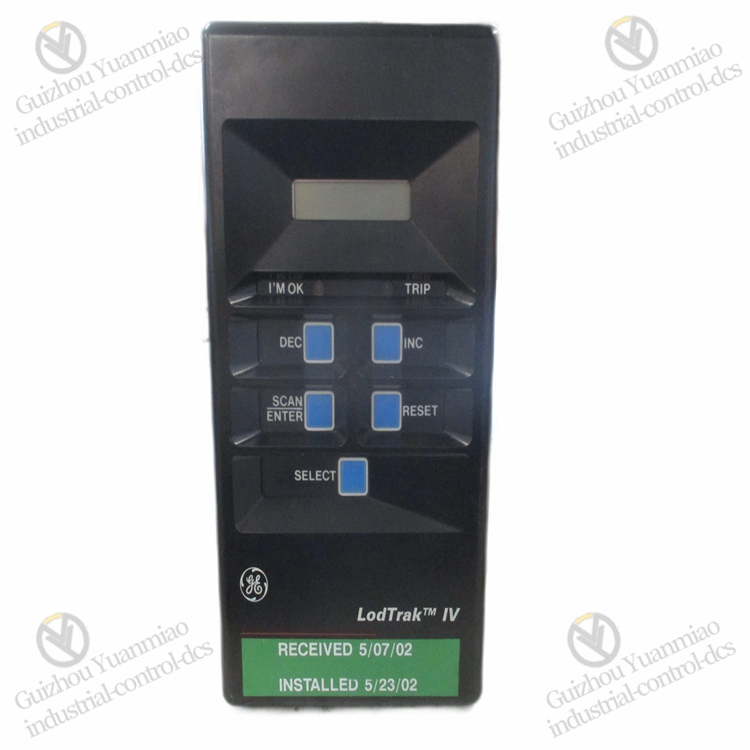
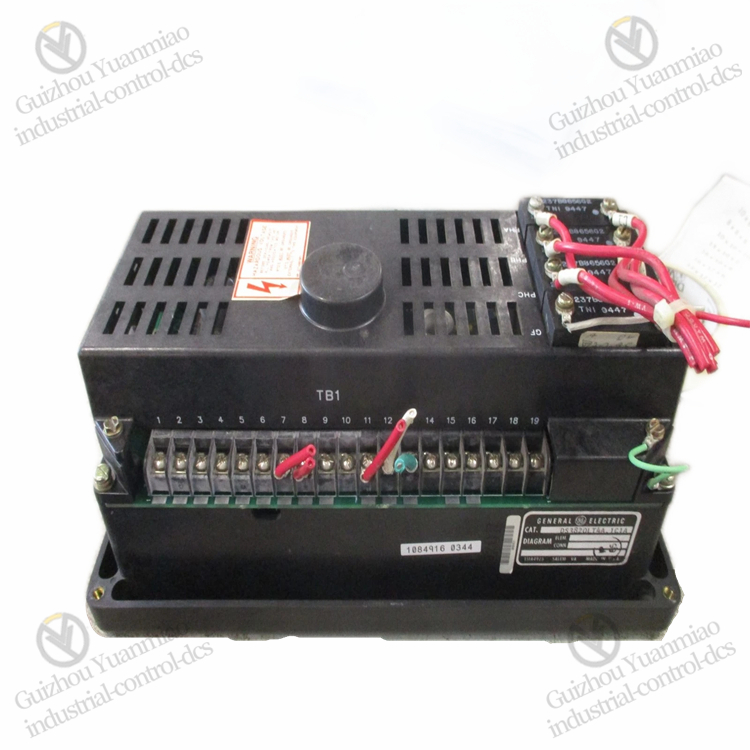
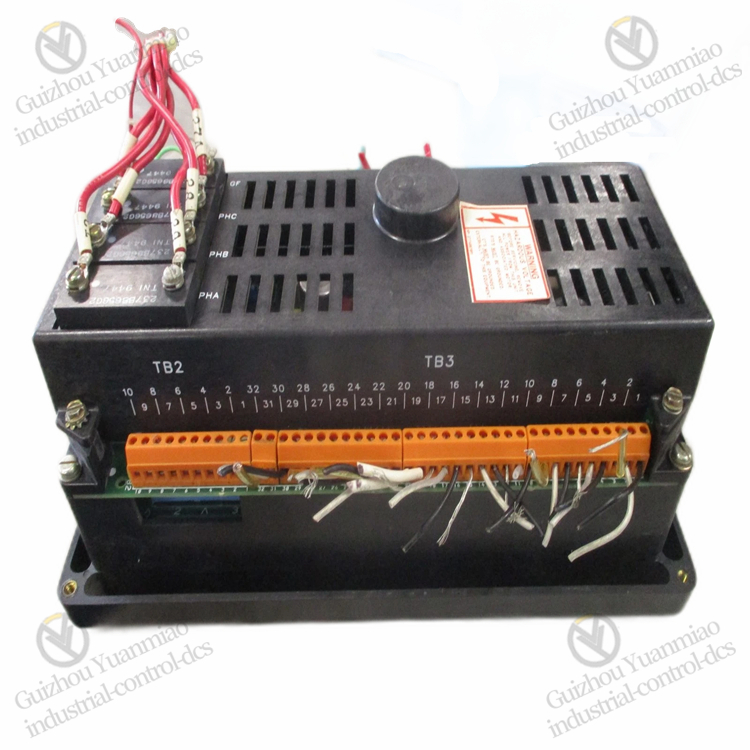
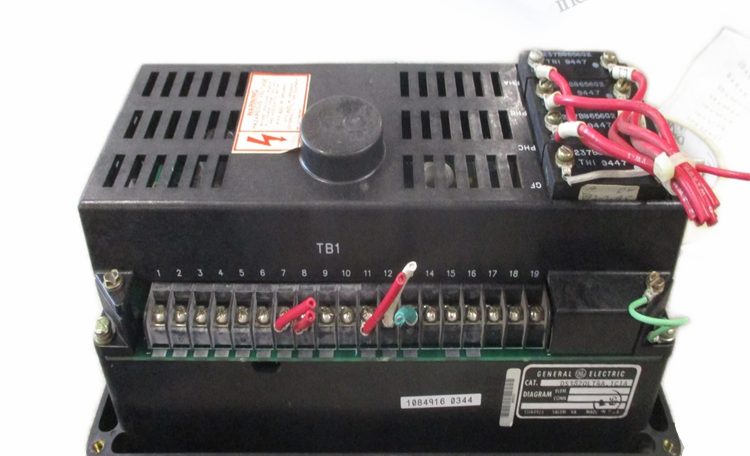
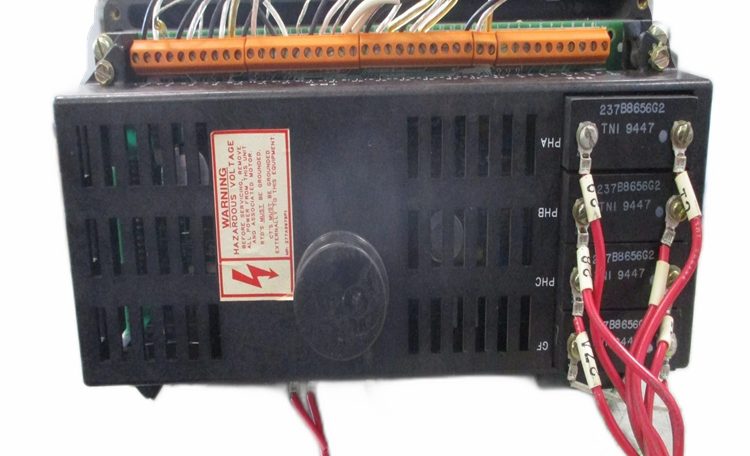
GE DS3820LT4A.1C1A Signal Conditioning and Drive Interface Module
GE DS3820LT4A.1C1A is a module specially designed by GE for industrial control systems (especially in the field of controlling large rotating machinery such as turbines and generators). It belongs to the Speedtronic series (which may be involved in control systems such as Mark VIe) and mainly undertakes functions related to signal processing, logic control, or drive interfaces. The following is an introduction from the aspects of module positioning, working principle, functional characteristics, and application scenarios:
I. Module Positioning and Core Functions
DS3820LT4A.1C1A usually serves as a signal conditioning and drive interface module. Its core function is to connect sensors, actuators, and the system’s main controller, realizing the collection, conversion, amplification of key signals and the output of drive commands. It is a “bridge” between the control system and on-site equipment.
Its design is aimed at high-reliability industrial environments, and it is especially suitable for the control needs of equipment such as gas turbines, steam turbines, and large generators, ensuring real-time performance and stability.
DS3820LT4A.1C1A usually serves as a signal conditioning and drive interface module. Its core function is to connect sensors, actuators, and the system’s main controller, realizing the collection, conversion, amplification of key signals and the output of drive commands. It is a “bridge” between the control system and on-site equipment.
Its design is aimed at high-reliability industrial environments, and it is especially suitable for the control needs of equipment such as gas turbines, steam turbines, and large generators, ensuring real-time performance and stability.
II. Working Principle
Signal Acquisition and Conditioning
It receives sensor signals from the field (such as analog or digital signals of speed, vibration, temperature, pressure, etc.), processes them through internal circuits for filtering, amplification, isolation, etc., to remove noise interference, and converts the signals into a standard format recognizable by the main controller (such as 4-20mA analog quantity, TTL digital quantity) to ensure data accuracy.
Signal Acquisition and Conditioning
It receives sensor signals from the field (such as analog or digital signals of speed, vibration, temperature, pressure, etc.), processes them through internal circuits for filtering, amplification, isolation, etc., to remove noise interference, and converts the signals into a standard format recognizable by the main controller (such as 4-20mA analog quantity, TTL digital quantity) to ensure data accuracy.
Drive Command Output
It receives control commands from the main controller (such as the processor module of Mark VIe), converts digital signals into drive signals that actuators can respond to (such as controlling solenoid valves, servo valves, relays, etc.), and realizes actions such as speed regulation of turbines, valve opening control, and load adjustment.
It receives control commands from the main controller (such as the processor module of Mark VIe), converts digital signals into drive signals that actuators can respond to (such as controlling solenoid valves, servo valves, relays, etc.), and realizes actions such as speed regulation of turbines, valve opening control, and load adjustment.
Isolation and Protection
It has a built-in electrical isolation circuit (such as optoelectronic isolation, electromagnetic isolation) to avoid the impact of strong electromagnetic interference on site (such as motor noise during turbine operation, interference from high-voltage equipment) on the control system. At the same time, it prevents overvoltage/overcurrent from being conducted to the main system when the module fails, ensuring the safety of the overall system.
It has a built-in electrical isolation circuit (such as optoelectronic isolation, electromagnetic isolation) to avoid the impact of strong electromagnetic interference on site (such as motor noise during turbine operation, interference from high-voltage equipment) on the control system. At the same time, it prevents overvoltage/overcurrent from being conducted to the main system when the module fails, ensuring the safety of the overall system.
III. Functional Characteristics
High-Reliability Industrial Design
High-Reliability Industrial Design
- Adopts a wide temperature design (usually supporting -40℃~70℃), adapting to harsh environments such as power plants and industrial workshops (high temperature, dust, vibration).
- Has anti-electromagnetic interference (EMI) and surge protection capabilities, complying with industrial-grade electrical standards (such as IEC 61000).
Strong Signal Compatibility
- Supports multiple types of input signals: analog quantities (such as voltage, current signals), digital quantities (switch signals, pulse signals), and can be adapted to speed sensors (such as magnetoelectric, photoelectric), vibration probes (such as eddy current sensors) and other equipment.
- The output signal can drive various actuators, such as servo motors, hydraulic valves, contactors, etc. The output power may support different ranges according to the model (such as mA-level drive or relay contact output).
Real-Time Performance and Response Speed
The delay in signal processing and command transmission is at the millisecond level, meeting the high dynamic control requirements of equipment such as turbines (such as rapid speed regulation, emergency shutdown response).
The delay in signal processing and command transmission is at the millisecond level, meeting the high dynamic control requirements of equipment such as turbines (such as rapid speed regulation, emergency shutdown response).
Modularity and Compatibility
It is adapted to the bus architecture (such as a dedicated high-speed backplane bus) of GE Speedtronic series control systems (such as Mark V, Mark VIe), supports hot swapping (for some models), and facilitates system expansion, maintenance, or module replacement.
It is adapted to the bus architecture (such as a dedicated high-speed backplane bus) of GE Speedtronic series control systems (such as Mark V, Mark VIe), supports hot swapping (for some models), and facilitates system expansion, maintenance, or module replacement.
IV. Main Roles
Connecting On-Site and Control Systems
As an “intermediate layer” module, it solves the problem of format mismatch between on-site signals and the main controller, ensuring reliable two-way data transmission.
Connecting On-Site and Control Systems
As an “intermediate layer” module, it solves the problem of format mismatch between on-site signals and the main controller, ensuring reliable two-way data transmission.
Ensuring Control Accuracy
Through precise signal conditioning, it reduces the impact of noise on key parameters (such as speed, vibration) and provides an accurate basis for the logical judgment of the main controller (such as load regulation, fault protection).
Through precise signal conditioning, it reduces the impact of noise on key parameters (such as speed, vibration) and provides an accurate basis for the logical judgment of the main controller (such as load regulation, fault protection).
Enhancing System Safety
The electrical isolation design reduces the impact of on-site faults (such as short circuits, overvoltage) on the main control system. At the same time, it participates in the transmission of emergency shutdown signals, assisting in the realization of equipment protection (such as overspeed shutdown, over-temperature protection).
The electrical isolation design reduces the impact of on-site faults (such as short circuits, overvoltage) on the main control system. At the same time, it participates in the transmission of emergency shutdown signals, assisting in the realization of equipment protection (such as overspeed shutdown, over-temperature protection).
V. Application Fields
It mainly focuses on large industrial equipment that requires high-precision control and high reliability. Typical scenarios include:
It mainly focuses on large industrial equipment that requires high-precision control and high reliability. Typical scenarios include:
Power Industry: Speed control, valve regulation, and vibration monitoring systems of gas turbines, steam turbines, and generators.
Energy and Chemical Industry: Control of drive systems for large compressors, pumps, and other equipment (such as natural gas pipeline compression stations, chemical plant steam turbine drive systems).
Industrial Drive: Speed and load control of large rotating machinery in industries such as metallurgy and papermaking.
Energy and Chemical Industry: Control of drive systems for large compressors, pumps, and other equipment (such as natural gas pipeline compression stations, chemical plant steam turbine drive systems).
Industrial Drive: Speed and load control of large rotating machinery in industries such as metallurgy and papermaking.
Summary
GE DS3820LT4A.1C1A is a key signal processing and drive interface module in industrial control systems. Through its high-reliability design, strong compatibility, and real-time performance, it ensures the control accuracy and operational safety of large rotating machinery (such as turbines and generators). It is a core component connecting on-site equipment and the main controller in series control systems such as Speedtronic.
GE DS3820LT4A.1C1A is a key signal processing and drive interface module in industrial control systems. Through its high-reliability design, strong compatibility, and real-time performance, it ensures the control accuracy and operational safety of large rotating machinery (such as turbines and generators). It is a core component connecting on-site equipment and the main controller in series control systems such as Speedtronic.
Reviews
There are no reviews yet.