

Description
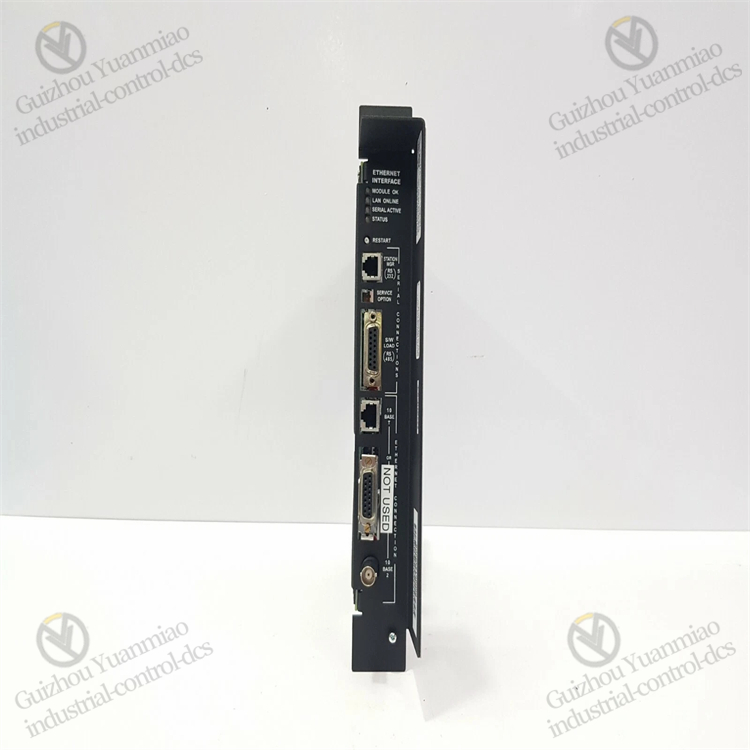
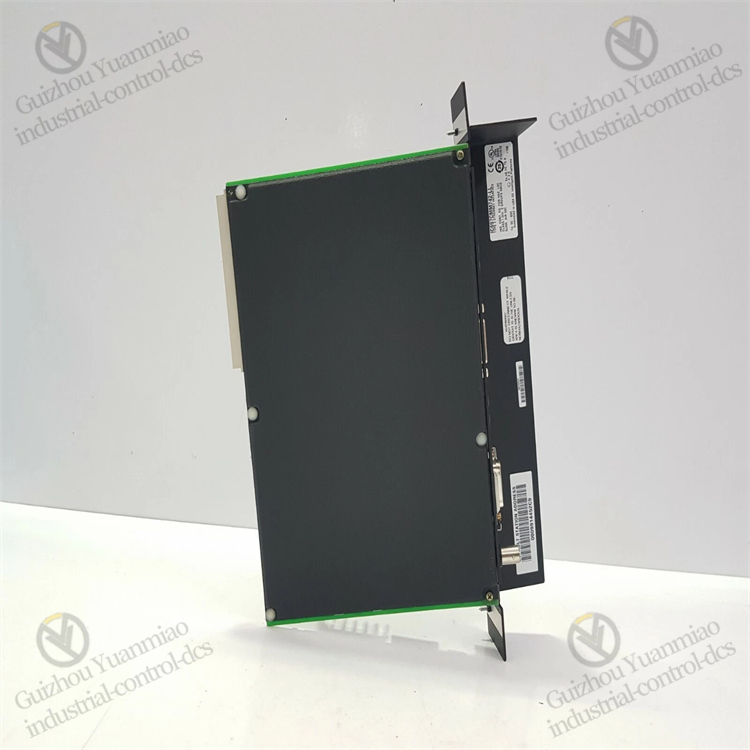
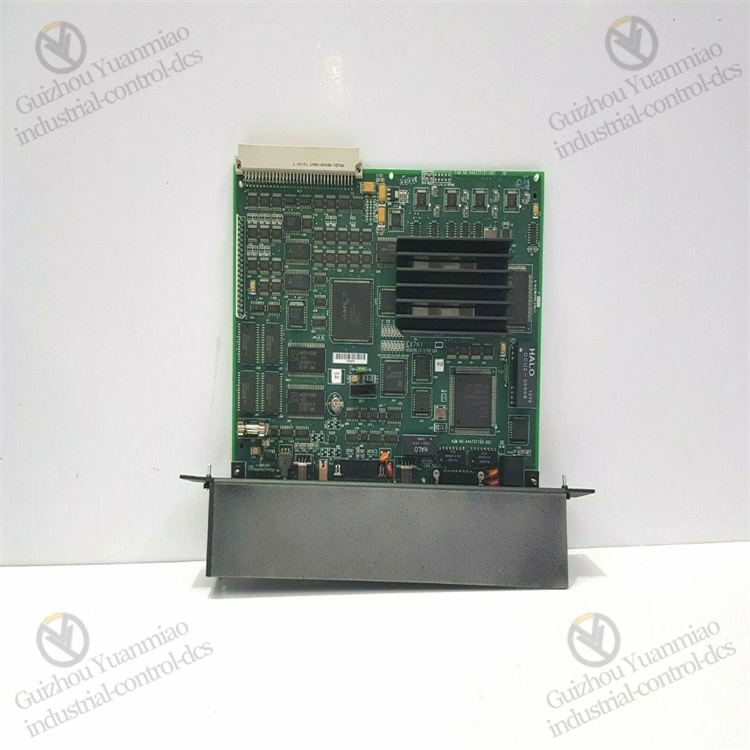
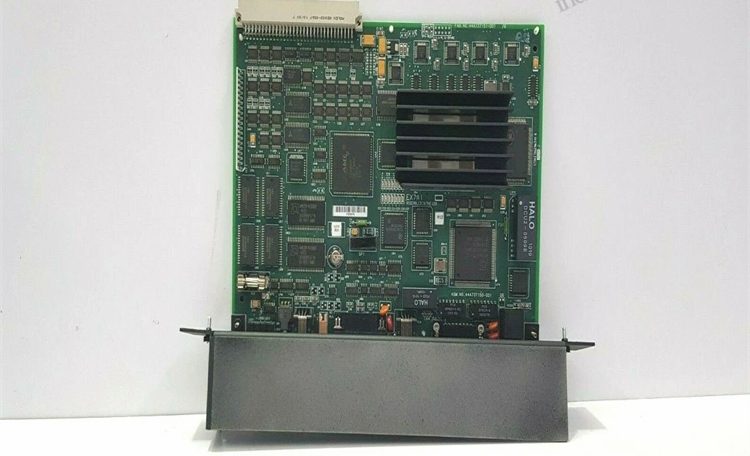
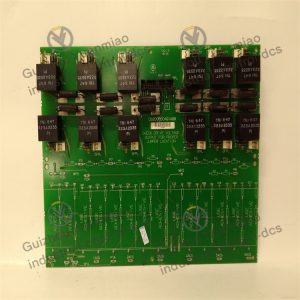
GE IC697CMM712 Serial Communication Module
The IC697CMM712 is a serial communication module in the GE Fanuc Emerson Series 90-70 PLC system. The following is its detailed introduction:
Hardware Features
- Processor: Equipped with a 12MHz 80C186 microprocessor, providing efficient data processing capabilities.
- Communication Interfaces: Features two RS-422/RS-485 or RS-232 serial ports for easy connection with various devices.
- Status Indication: Includes a status LED for real-time monitoring of module operation.
- Other Features: Software-configurable (no DIP switches or jumpers required), single-slot design for seamless integration into automation systems.
Communication Functions
- Supported Protocols: CCM2 (slave only), with configurable support for other industrial protocols (e.g., Modbus, SNP, DF1) via software.
- Communication Modes: Both ports can be independently configured and operated simultaneously, supporting up to 19.2 kbps per port.
Functional Characteristics
- Flexible Configuration: Configured via IC641 (MS-DOS) programming software to meet diverse industrial requirements.
- High Reliability: Designed for harsh industrial environments with robust anti-interference capabilities and wide operating temperature range (-40°C to +85°C).
- Storage Expansion: Optional memory configurations (64KB/128KB/256KB/512KB) available for select models, providing additional memory resources for PLC systems.
Key Application Areas and Scenarios
1. Manufacturing Automation Lines
- Multi-Device Coordination: Connects PLCs with variable frequency drives (e.g., Schneider, ABB), servo controllers, and robotic arms via Modbus RTU or SNP for real-time parameter synchronization (e.g., speed, position). Example: In automotive welding lines, the module transmits control commands from the main PLC to robotic arms and collects operational feedback.
- HMI Integration: Enables operator interaction via RS-232/RS-485 connections to touchscreen panels (e.g., Pro-face, GE HMIs), supporting parameter adjustment (e.g., speed, production targets) and status monitoring (e.g., fault alerts, production statistics).
- Cross-Brand Device Integration: Bridges GE 90-70 PLCs with Siemens S7 or Rockwell Allen-Bradley systems using Modbus, eliminating communication barriers in mixed-brand environments.
2. Process Control Systems (Chemical, Energy, Water Treatment)
- Sensor Data Acquisition: Connects temperature/pressure transmitters and flow meters via Modbus RTU to collect real-time process data (e.g., reactor temperature, pipeline pressure) for closed-loop control (e.g., PID regulation).
- DCS Integration: Serves as a communication bridge between PLCs and distributed control systems (DCS), uploading local data (e.g., line flow rates) to central monitoring platforms and receiving global control commands. Example: In water treatment plants, the module transmits sedimentation tank level/turbidity data to DCS and executes valve adjustment commands.
- Safety Interlock Systems: Links safety relays and emergency shutdown devices in hazardous environments, ensuring rapid response to conditions (e.g., overpressure, leaks) via high-speed serial communication.
3. Power & Energy Industry
- Substation Automation: Configured with protocols like IEC 60870-5-101 to interface with protection relays and smart meters, enabling remote data acquisition (current, voltage, power) for SCADA systems and fault diagnosis.
- Renewable Energy Integration: Connects inverters and combiner boxes in solar/wind farms via Modbus to collect generation data and equipment status for efficiency analysis and maintenance scheduling.
- Backup Power Control: Monitors diesel generators and UPS systems in real-time, transmitting start/stop commands during grid outages to ensure seamless power .
4. Transportation & Infrastructure
- Railway Signaling: Transmits train position and track occupancy data via SNP protocol in subway/light rail systems, supporting redundant communication configurations for enhanced reliability.
- Port Machinery Control: Links quay cranes and yard cranes to central 调度 systems in container terminals, enabling automated loading/unloading operations by transmitting job instructions and equipment status.
- Building Automation: Integrates HVAC, lighting, and elevator systems via Modbus for centralized monitoring and energy optimization (e.g., adjusting temperature based on occupancy).
5. Remote Monitoring & Industrial IoT (IIoT)
- Distributed Site Monitoring: Connects remote terminal units (RTUs) along oil/gas pipelines or power transmission lines via RS-485, forwarding data to SCADA centers for centralized management.
- IIoT Gateway: Works with wireless modules (e.g., GPRS DTUs) to upload PLC data (e.g., runtime, fault codes) to cloud platforms (AWS IoT, Azure IoT) for predictive maintenance. Example: In agricultural irrigation, the module sends pump status to cloud platforms for remote monitoring via mobile apps.
- Remote Maintenance: Enables engineers to remotely access PLCs via SNPX or dial-up networks for program updates and parameter tuning (e.g., PID settings), reducing on-site maintenance costs. Example: Troubleshooting communication faults in remote pump stations without physical presence.
6. Specialized Industrial Environments (Mining, Metallurgy, Food & Pharmaceuticals)
- Mining Automation: Transmits equipment status (e.g., motor current, belt alignment) via RS-485 in underground / mines to ensure operational safety.
- Compliance Monitoring: Connects weighing sensors and environmental recorders in GMP/FDA-certified production lines, collecting critical process data (e.g., sterilization temperature, filling weight) for regulatory compliance.
- Metallurgical Process Control: Real-time transmission of rolling speed and furnace temperature data between PLCs and mill controllers in steel plants to maintain product quality consistency.

Reviews
There are no reviews yet.