

Description
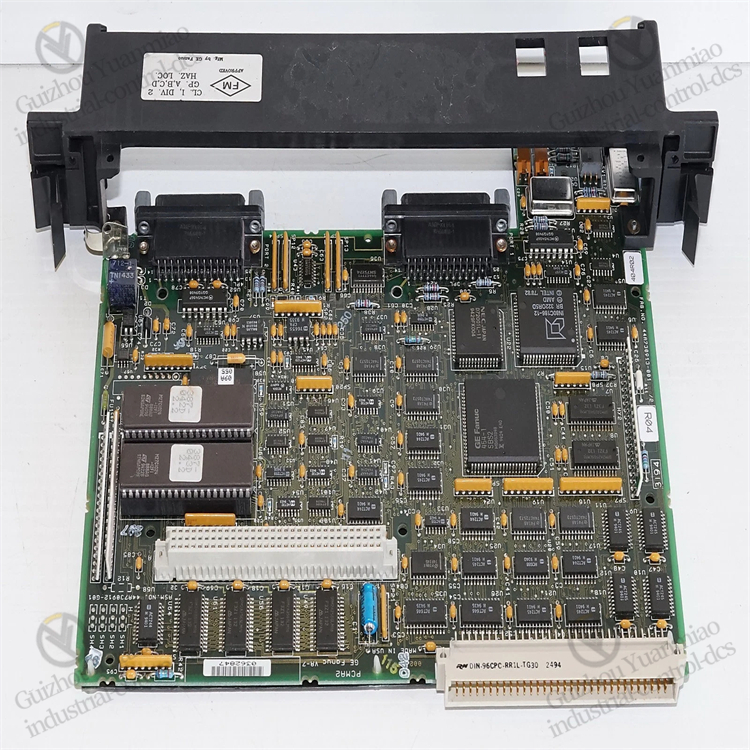
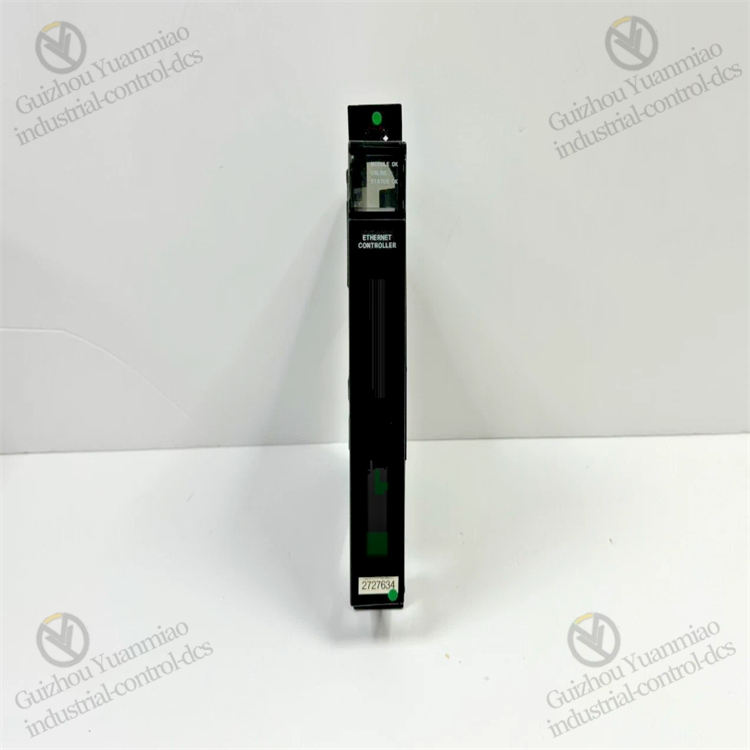
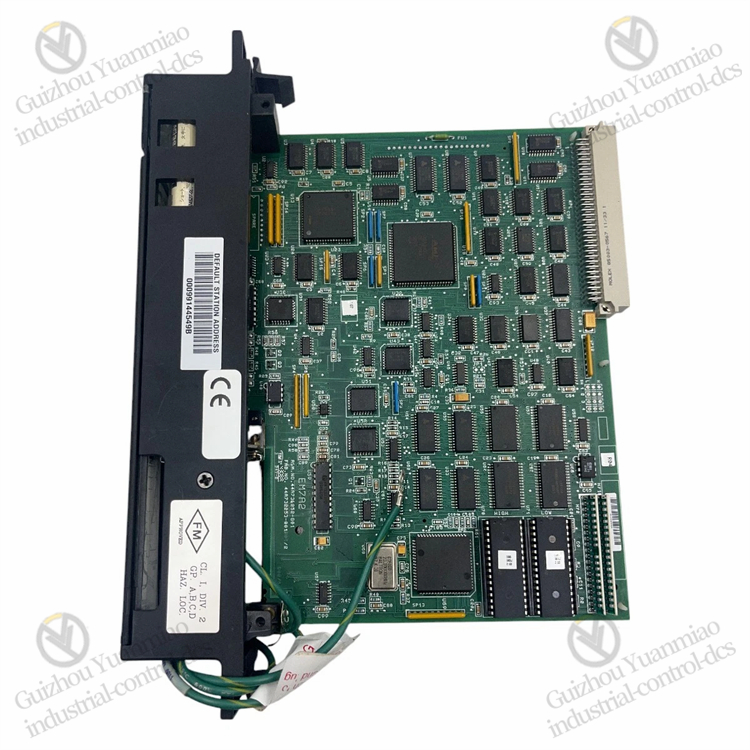
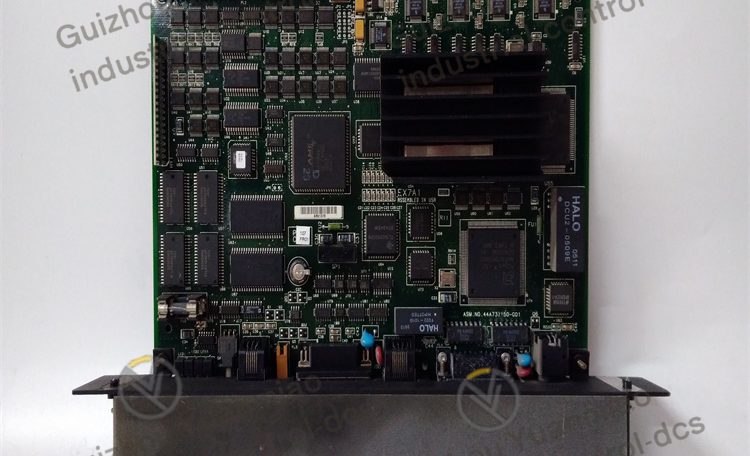
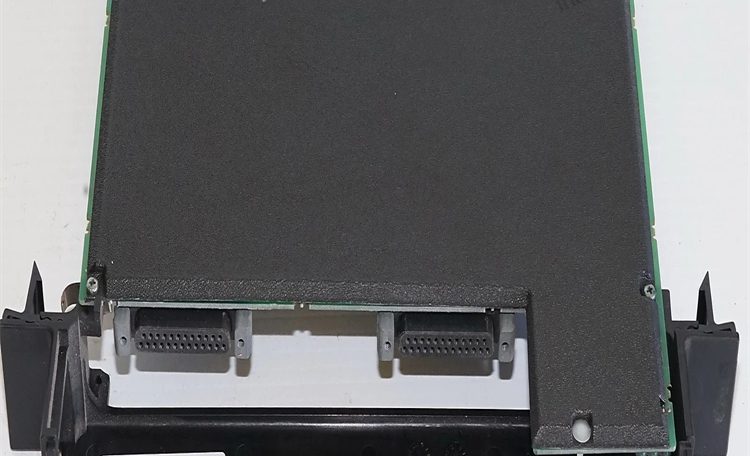
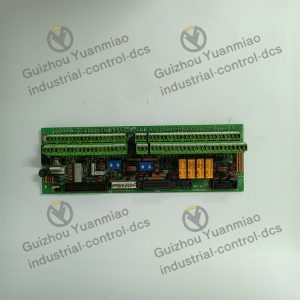
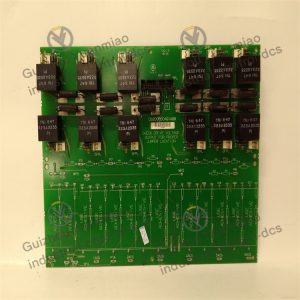
GE IC697CMM731 High-speed Counting Module
The IC697CMM731 is a high-speed counting module in the GE Fanuc Series 90-70 PLC system. It is mainly used for the precise acquisition, counting, and processing of pulse signals in industrial automation scenarios, providing real-time data support for equipment control and process monitoring. Its working principle can be explained through core links such as signal acquisition, counting logic, data interaction, and function expansion:
I. Core Function Positioning
The core function of this module is to receive pulse signals output by external devices (such as encoders and sensors), convert the pulses into digital data recognizable by the PLC system (such as position, speed, flow, etc.) through internal circuits and logic processing, and work in coordination with the CPU module of the PLC to achieve precise control in scenarios such as motion control, production statistics, and position tracking.
II. Detailed Analysis of Working Principles
- Pulse Signal Acquisition and Processing
-
Signal Input:
The module is equipped with multiple high-speed counting channels (usually 4 independent channels) and supports receiving pulse signals output by devices such as incremental encoders, linear scales, proximity switches, and pulse generators. The signal types include: -
Differential signals (such as A/B phase quadrature encoded signals, supporting direction judgment);
-
Single-ended pulse signals (such as switching pulses output by NPN/PNP type sensors);
-
High-frequency pulses (with a maximum counting frequency of over 1MHz, suitable for high-speed moving equipment).
-
Signal Conditioning:
The input pulse signals first pass through the internal signal conditioning circuit of the module (including filtering, level conversion, and anti-interference processing) to eliminate electromagnetic interference in the industrial environment (such as motor noise and cable coupling interference), ensuring the integrity and stability of the pulse signals.
- Counting Logic and Mode Operation
The module performs real-time counting on the conditioned pulse signals through an internal hardware counter (independent of the PLC main CPU) and supports multiple counting modes to meet the needs of different scenarios:
- Up/Down Counting: Automatically judges the counting direction according to the pulse direction (such as the phase difference between encoder A/B phases), suitable for linear motion position tracking (such as the displacement of machine tool sliders).
- Reversible Counting: The counting direction can be manually switched through external control signals (such as direction switches), flexibly adapting to complex motion scenarios.
- Preset Value Counting: Supports presetting target count values. When the actual count reaches the preset value, the module automatically triggers internal output (such as alarm and shutdown signals) to achieve precise threshold control (such as quantitative counting in filling production lines).
- Frequency Measurement: Calculates the signal frequency through the number of pulses per unit time to indirectly obtain the operating speed of the equipment (such as conveyor belt speed and motor speed).
- Data Interaction with PLC System
-
Data Transmission:
After counting, the module communicates in real-time with the CPU module of the PLC (such as IC697CPU771/780) through the backplane bus of the Series 90-70 series, transmitting counting results (such as current count value and status flags) to the data register of the CPU.
The transmission rate depends on the backplane bus protocol (the Series 90-70 bus rate is usually 10Mbps), ensuring fast synchronization of high-frequency data. -
Reception of Control Commands:
The CPU can send control commands to the module through programming (such as using GE’s Logicmaster or VersaPro software), for example: -
Reset the counter (clear to zero);
-
Start/stop counting;
-
Modify the preset value or counting mode.
- Status Monitoring and Fault Feedback
- Status Indication: The module is equipped with LED indicators (such as power light, running light, fault light, and channel status light), which can reflect the working status of the module in real-time through the color and flashing mode of the lights (such as normal operation, count overflow, and signal loss).
- Fault Diagnosis: When an abnormality occurs (such as pulse signal interruption, count overflow, and communication error), the module will generate a fault code and store it in the internal register. The CPU can read this information and trigger an alarm (such as sound and light alarm, shutdown protection), facilitating quick troubleshooting.
III. Coordination Logic with PLC System
- Initialization Phase: After the PLC is powered on, the CPU reads the configuration parameters of the IC697CMM731 (such as counting mode, channel allocation, and preset value) through the backplane bus to complete the initialization of the module.
- Operation Phase: The module counts the pulse signals independently and synchronizes the data to the CPU in real-time; the CPU executes control logic according to the counting data (such as comparing the current value with the target value and outputting a driving signal to the actuator).
- Abnormality Handling: If the module detects a fault, it immediately sends an interrupt signal to the CPU; after the CPU responds to the interrupt, it executes a preset fault handling program (such as stopping the equipment and recording logs).
IV. Summary
The IC697CMM731 module converts the physical movements (such as rotation and displacement) of external devices into digital information that can be processed by the PLC through the coordinated work of high-speed signal acquisition, hardware-level counting operations, and real-time data interaction. It provides an accurate and reliable counting solution for scenarios such as speed control, position tracking, and production statistics in industrial automation. Its independent hardware counting circuit ensures the accuracy of high-frequency pulse processing, and at the same time, through in-depth integration with the Series 90-70 PLC system, it realizes seamless linkage between control logic and counting data.
Reviews
There are no reviews yet.