

Description
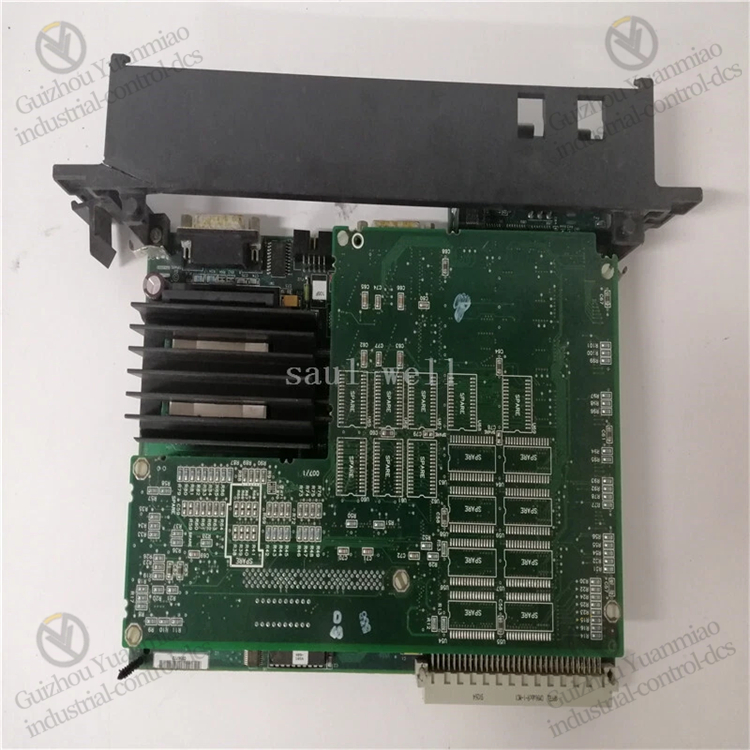
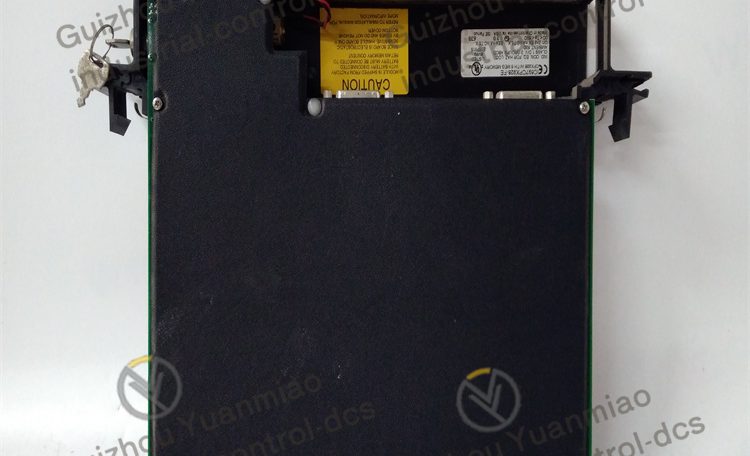
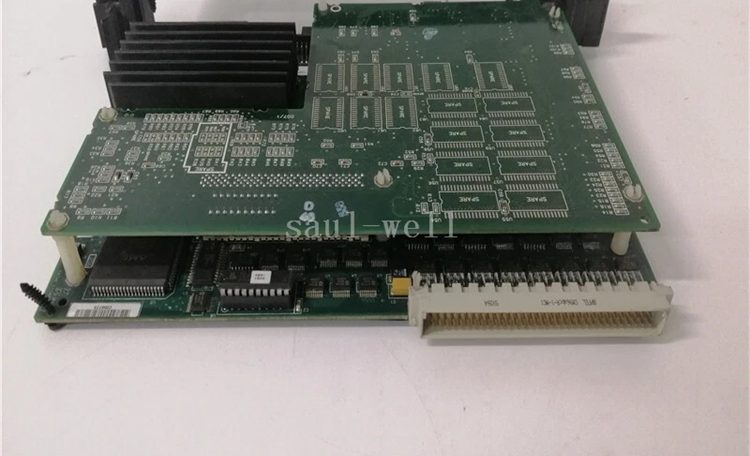
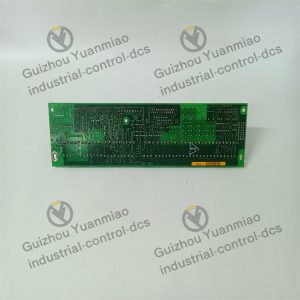
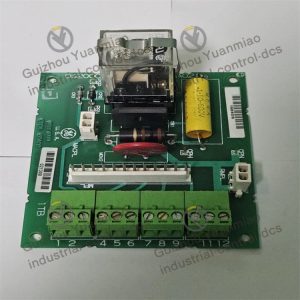
GE IC697CPX928 90-70 Series Central Processing Unit Module
Hardware Performance:
- Processor: Adopts a 96MHz 80486 DX4 microprocessor with 32-bit floating-point operation capability, which can quickly execute various control algorithms and logical operations. The scanning rate of each Boolean function is approximately 0.4 microseconds.
- Memory: Equipped with 6MB battery-backed RAM, which can save data in case of power failure, and 256KB non-volatile user flash memory for storing CPU firmware and user programs.
- I/O Capability: Supports up to 12,000 I/O points (in any combination) and up to 8,000 analog I/O, meeting the needs of various industrial control scenarios.
- Communication Interfaces: Has 1 RS232 serial port, 2 RS485 serial ports, and 1 factory reset port, which can be used to connect programming devices or other peripherals. In addition, it can support Ethernet TCP/IP communication by installing an optional Ethernet module.
- Operating Conditions: The input voltage is 5V DC, and the nominal current is 3.1A. With forced air cooling, the operating temperature range is 0°C – 60°C; without forced air cooling, the operating temperature range is 0°C – 50°C.
Functional Features:
- Modular Design: Can be flexibly combined with other modules of the 90-70 series. The system functions can be expanded by selecting different expansion modules, such as I/O link interface modules and communication modules.
- Status Indication: There are 7 LED indicators on the front of the module, which can display the system status in real-time, facilitating user monitoring and troubleshooting.
- Programming Method: Supports programming and configuration through MS-DOS or Windows-based (such as Windows 95, Windows NT) software via Ethernet TCP/IP or SNP port. It also has password-controlled access and remote programming key switch memory protection functions to improve system security.
Application Fields: Suitable for medium and large-scale automation projects, such as CNC machine tools, servo motor control, and remote monitoring of distributed systems. It is widely used in energy industries such as electric power and petroleum, as well as in the rail transit field.
Specific application fields are as follows:
-
Electric Power Industry
- Substation Automation: Can serve as the core control unit to realize logical control, status monitoring, and data collection of equipment such as circuit breakers and disconnectors in the substation, coordinate the linkage between protection devices and monitoring systems, and ensure the stability and safety of power grid operation.
- Power Plant Auxiliary Equipment Control: Used for the automatic control of auxiliary systems (such as feed water pumps, fans, coal conveying equipment, etc.) in thermal and hydropower plants. Through logical operations and timing control, it ensures the coordinated operation of auxiliary equipment and the main system, improving power generation efficiency.
-
Oil and Gas Industry
- Oil and Gas Extraction Process Control: In scenarios such as drilling platforms and oil production stations, it controls equipment such as pumping units, oil transfer pumps, and valves to realize automatic management of the extraction process. At the same time, it collects key parameters such as pressure, flow, and temperature to ensure the stability of the extraction process.
- Refining and Chemical Production Automation: In the production lines of refineries and chemical plants, it coordinates the operation of equipment such as reaction kettles, distillation towers, and conveying pipelines. Through precise logical control and timing scheduling, it ensures that the refining and chemical processes are carried out according to the preset procedures, improving the consistency of product quality.
-
Manufacturing Automation Production Lines
- Automobile Manufacturing: Used as the core control for large production lines such as automobile welding lines, assembly lines, and painting lines. It coordinates the linkage of robots, conveyors, testing equipment, etc., to realize the automation of processes such as body welding and component assembly, improving production efficiency and accuracy.
- Heavy Machinery Manufacturing: In the production process of machine tools and engineering machinery (such as excavators, cranes), it controls the actions of processing equipment and assembly robots. Through complex logical operations, it ensures the accuracy of the production process and meets the high-precision manufacturing requirements of heavy machinery.
-
Rail Transit Field
- Metro/Light Rail System Control: Applied to the automatic control of rail transit signal systems, platform equipment (such as platform screen doors, turnstiles), and depot. It realizes functions such as train inbound and outbound scheduling and platform equipment linkage, ensuring the efficient and safe operation of rail transit.
- Railway Freight Scheduling: In freight marshalling yards, it controls equipment such as turnouts and hump shunting equipment, optimizes the train marshalling process through logical operations, and improves the efficiency of freight scheduling.
-
Water Treatment and Environmental Protection Industry
- Sewage Treatment Plant Automation: Used to control equipment such as grid machines, aeration equipment, and sludge treatment machines in the sewage treatment process. It automatically adjusts equipment operating parameters according to water quality monitoring data (such as COD, pH value), realizes unmanned management of the sewage treatment process, and ensures up-to-standard discharge.
- Water Supply System Control: In waterworks and industrial water supply systems, it controls equipment such as water pumps and valves, automatically adjusts the operating status according to water supply demand, balances the pipeline network pressure, and ensures stable water supply.
-
Metallurgical Industry
- Iron and Steel Production Process Control: In links such as steelmaking and steel rolling, it controls large equipment such as blast furnaces, rolling mills, and conveyors. By processing process parameters such as temperature and pressure in real-time, it realizes precise coordination of all links in iron and steel production, improving steel quality and production efficiency.
- Non-ferrous Metal Smelting: Used for controlling the smelting process of non-ferrous metals such as copper and aluminum, coordinating the operation of furnaces, cooling equipment, and purification devices, ensuring the stability of the smelting process and metal purity.
-
Large-scale Infrastructure Automation
- Port and Logistics Automation: In container terminals and large warehouses, it controls equipment such as cranes, conveyors, and stackers, realizes automatic scheduling of cargo loading, unloading, sorting, and storage, and improves logistics turnover efficiency.
- Large Equipment Control in Buildings and Venues: Suitable for the centralized control of air conditioning, ventilation, lighting, and other systems in large industrial plants, stadiums, and other places. It optimizes equipment operation modes through logical operations to achieve energy conservation and efficient management.
Reviews
There are no reviews yet.