

Description
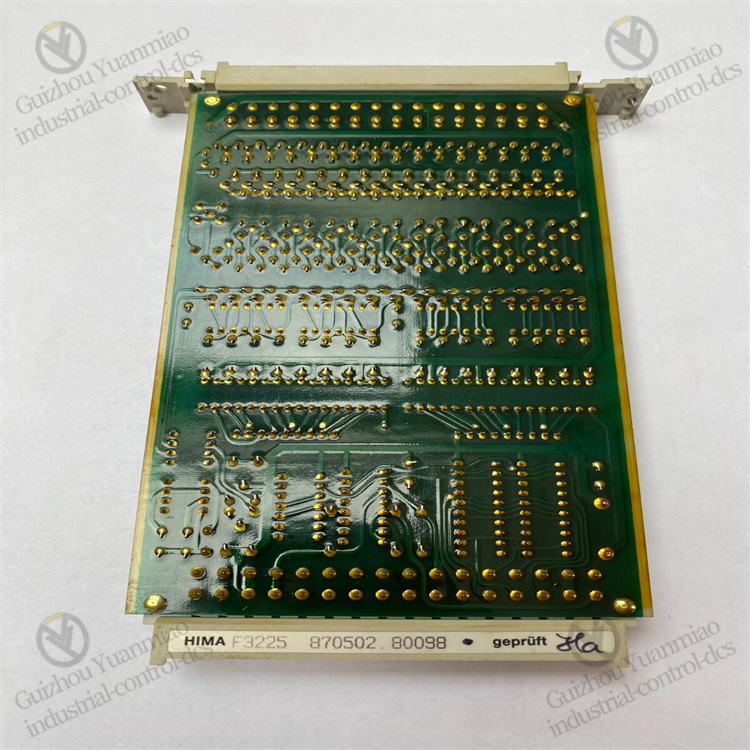
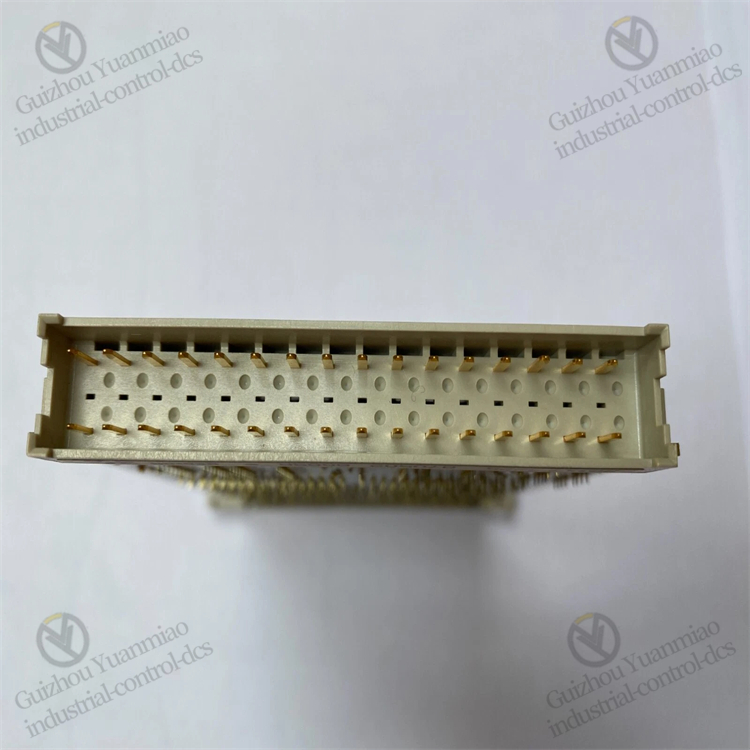
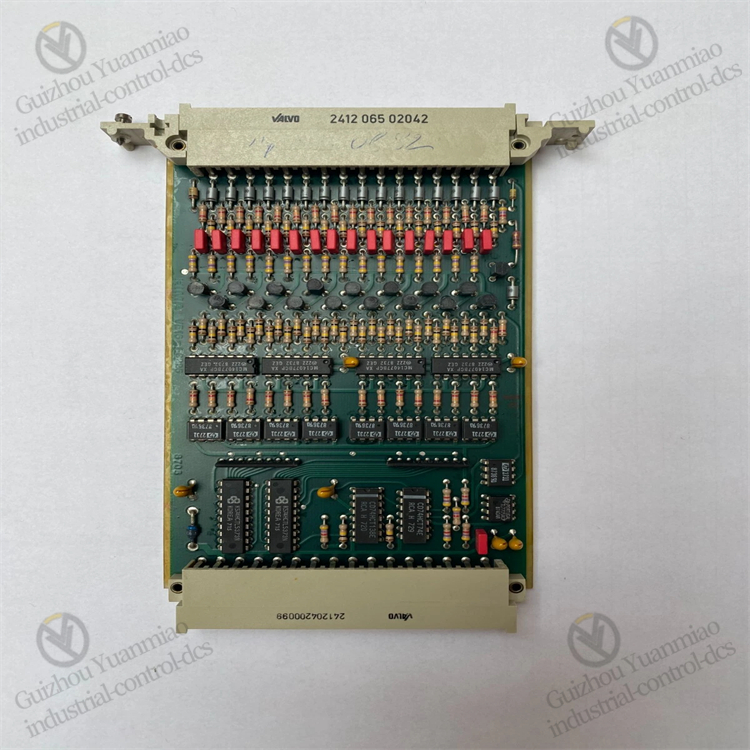
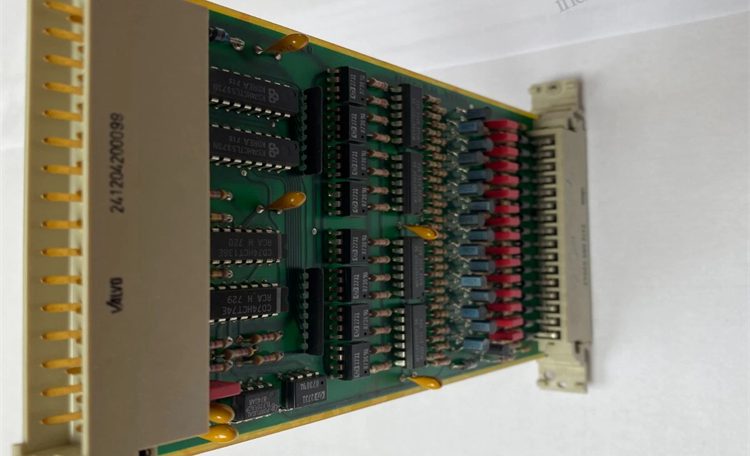
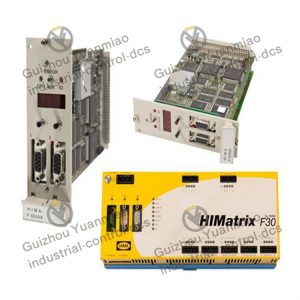
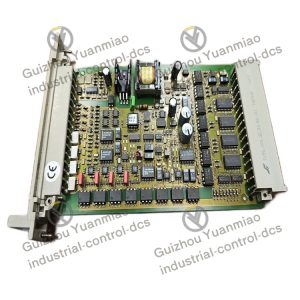
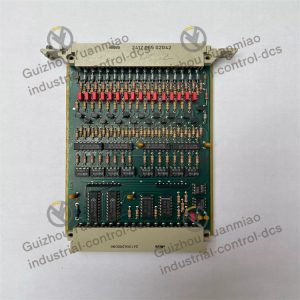
HIMA F3225 Digital Input Module
The following is a detailed introduction to the HIMA F3225 module:
Overview
- Type: The HIMA F3225 is a digital input module, mainly used in industrial control, communication and other fields.
- Place of Origin: It has different places of origin such as China and the United States.
Features
- High Precision and High Reliability: It can accurately receive and process signals, meet various strict requirements in industrial applications, and ensure the stable operation of the system.
- Good Compatibility and Expandability: It can seamlessly connect and work with other HIMA series products and industrial control equipment of other brands to meet the personalized needs of different users.
- Convenient Installation and Maintenance: It greatly reduces the use cost and maintenance difficulty, and is convenient for engineers to carry out installation, commissioning and daily maintenance work.
Functions
- Signal Receiving and Conversion: It is mainly responsible for receiving signals from external sensors and actuators, such as signals from safety switches, limit switches, pressure or temperature limit switches, safety relays, buttons, proximity sensors and other equipment, converting these signals into digital signals, and inputting them to the central processing unit for subsequent processing and control.
- Status Indication: It provides diagnostic LEDs for each input to indicate the status of the connected equipment, such as whether the input is valid, whether there is a fault or problem, etc., which is convenient for engineers to quickly locate and troubleshoot problems.
Technical Parameters
- Number of Channels: 16 channels.
- Size: 16×16×12cm.
- Weight: 1kg.
- HS Code: 8537101190.
- Power Supply: Generally 24V DC.
Application Fields
- Power System: It can receive signals from power sensors, monitor the operating status of the power system in real time, and ensure the safe and stable operation of the power system.
- Industrial Automation: In the automated production lines of industries such as numerical control machinery, metallurgy, oil and gas, petrochemicals, chemicals, papermaking and printing, textile and dyeing, machinery, electronics manufacturing, and automobile manufacturing, it is used to collect status signals of on-site equipment and provide data support for automated control.
- Municipal Engineering: In fields such as water treatment / environmental protection, municipal engineering, and boiler heating, it is used to monitor and control the operating status of related equipment to realize automated management and optimized operation.
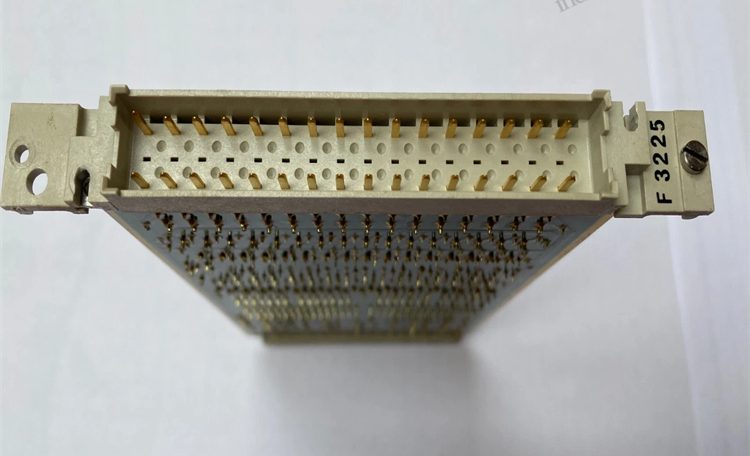
The working principle is to receive signals from external equipment through the input interface, process the signals, perform logical conversion, and then transmit the signals to the central processing unit, as follows:
- Signal Receiving: The module is connected to external equipment through the input interface, such as safety switches, limit switches, proximity sensors, etc. The signals output by these devices (usually high level or low level) are received by the input channels of the module. For example, when an external switch is closed, a corresponding electrical signal will be generated, and this signal will be captured by the input module.
- Isolation and Filtering: The module contains components such as optocouplers, which can isolate external signals from internal circuits to prevent electrical interference from affecting the operation of the module and subsequent equipment. At the same time, the filter circuit will process the received signal to remove noise and clutter in the signal, ensuring the purity and stability of the input signal.
- Signal Conversion: The signal after isolation and filtering will be converted into a logic level signal that can be recognized by the internal module and the central processing unit, usually represented in the form of binary “0” and “1”. For example, an external high – level signal is converted into an internal logic “1”, and a low – level signal is converted into an internal logic “0”.
- Status Indication: The module provides a diagnostic LED for each input. According to the converted logic level signal, the corresponding LED will light up or go out to indicate the status of the connected equipment, which is convenient for operators or maintenance personnel to intuitively understand the working status of external equipment and the signal input status.
- Signal Transmission: The converted digital signal is transmitted to the central processing unit (such as the CPU of PLC) through a specific interface and bus. The central processing unit performs logical operations and judgments based on these input signals, and then controls the operation of the entire system to realize functions such as monitoring and control of industrial processes.
Reviews
There are no reviews yet.