

Description
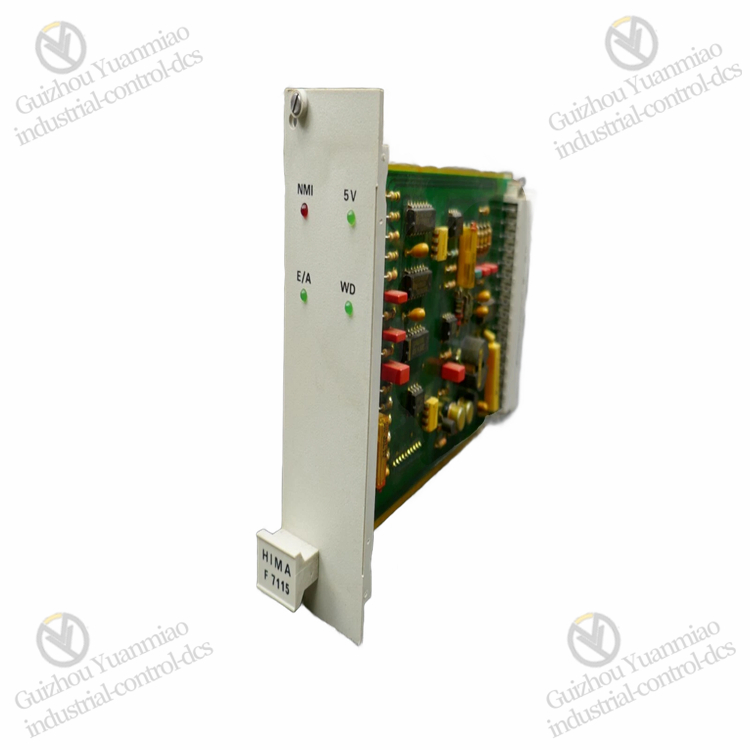
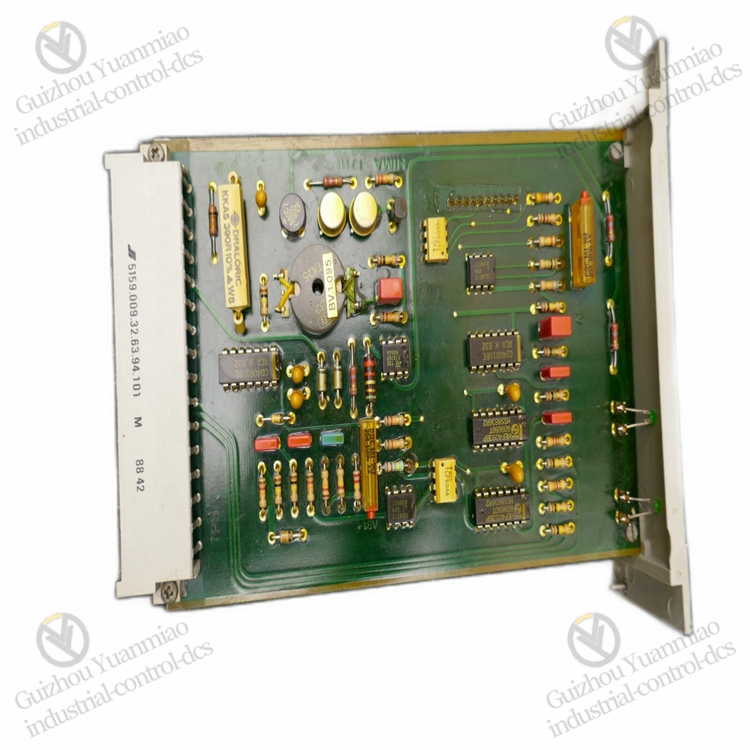
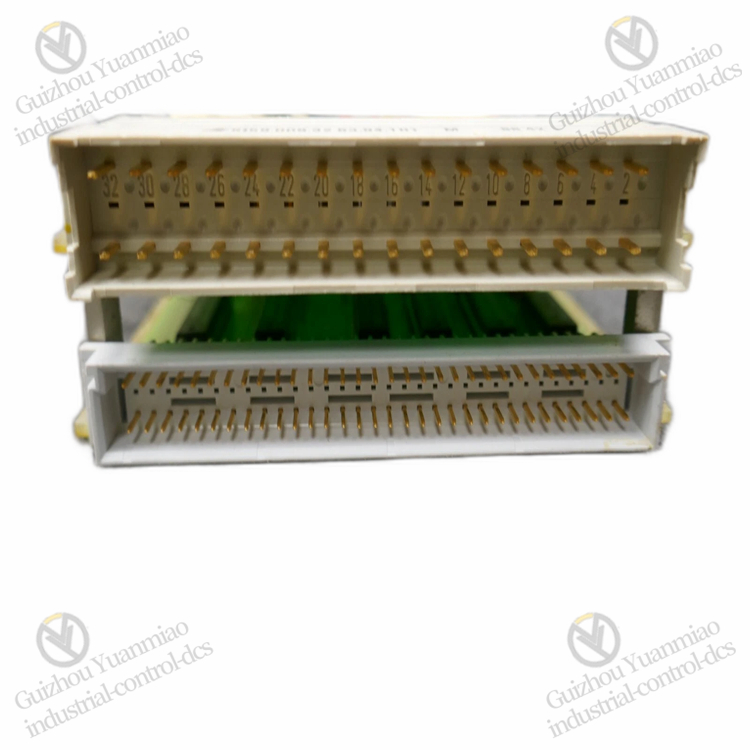
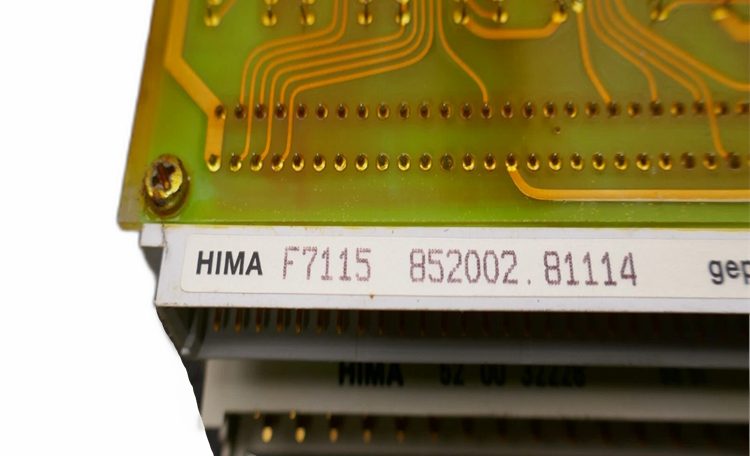
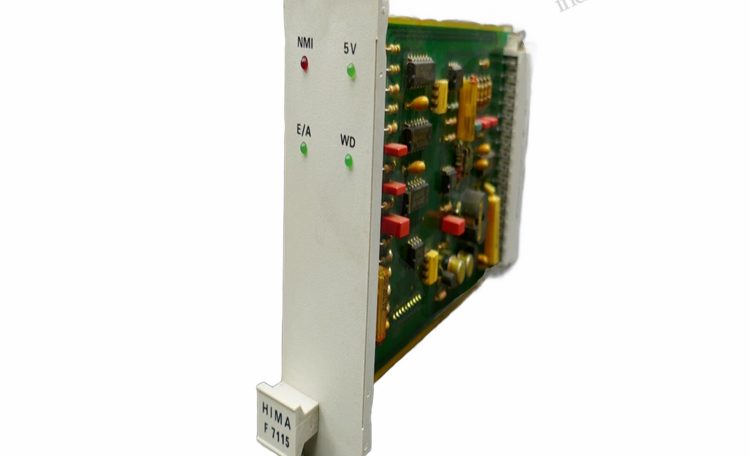
HIMA F7115 High-Performance Safety Module
As a high-performance safety module, HIMA F7115 is a key component in HIMA safety control systems, playing an important role especially in industrial scenarios with extremely high requirements for safety and reliability. The following is a detailed explanation from aspects such as working principle, core characteristics, and typical applications:
I. Core Function Positioning
The HIMA F7115 module is mainly oriented to safety-related control scenarios such as Safety Instrumented Systems (SIS) and Emergency Shutdown Systems (ESD). It undertakes the auxiliary functions of processing, transmission, and logical execution of safety signals, and is a “nerve node” ensuring the safety of industrial processes. Its design complies with international safety standards (such as IEC 61508) and is usually used to implement safety-related input/output signal management, safety logic adaptation, or redundancy function support.
The HIMA F7115 module is mainly oriented to safety-related control scenarios such as Safety Instrumented Systems (SIS) and Emergency Shutdown Systems (ESD). It undertakes the auxiliary functions of processing, transmission, and logical execution of safety signals, and is a “nerve node” ensuring the safety of industrial processes. Its design complies with international safety standards (such as IEC 61508) and is usually used to implement safety-related input/output signal management, safety logic adaptation, or redundancy function support.
II. Working Principle
Access and Processing of Safety Signals
It receives safety-related signals from the site (such as signals from emergency stop buttons, safety door switches, toxic gas detectors, etc.). These signals may be digital quantities (switching values) or safety-certified analog quantities. The internal isolation circuits (such as photoelectric isolation, electromagnetic isolation) of the module preprocess the signals to avoid the impact of electromagnetic interference (EMI), ground loops, etc. in industrial sites on signal integrity, ensuring the accuracy of the original signals.
Access and Processing of Safety Signals
It receives safety-related signals from the site (such as signals from emergency stop buttons, safety door switches, toxic gas detectors, etc.). These signals may be digital quantities (switching values) or safety-certified analog quantities. The internal isolation circuits (such as photoelectric isolation, electromagnetic isolation) of the module preprocess the signals to avoid the impact of electromagnetic interference (EMI), ground loops, etc. in industrial sites on signal integrity, ensuring the accuracy of the original signals.
Adaptation and Transmission of Safety Logic
It achieves high-speed communication with HIMA safety controllers (such as HIMatrix, HIMax series) through internal buses (such as safe communication protocols like SafeEtherCAT, PROFIBUS), transmitting the processed signals to the controller for safety logic operations. At the same time, it receives safety control instructions issued by the controller (such as emergency shutdown, valve closing, etc.) and converts the instructions into signals recognizable by on-site actuators (such as relay output, DC signal, etc.) through internal drive circuits.
It achieves high-speed communication with HIMA safety controllers (such as HIMatrix, HIMax series) through internal buses (such as safe communication protocols like SafeEtherCAT, PROFIBUS), transmitting the processed signals to the controller for safety logic operations. At the same time, it receives safety control instructions issued by the controller (such as emergency shutdown, valve closing, etc.) and converts the instructions into signals recognizable by on-site actuators (such as relay output, DC signal, etc.) through internal drive circuits.
Redundancy and Fault Diagnosis
It supports redundant design (such as power redundancy, communication redundancy). When a fault occurs in the module itself or connected components (such as power interruption, communication abnormality), it can quickly detect through internal monitoring circuits, trigger redundancy switching or send fault alarm signals to the controller, ensuring that the safety function is not interrupted. In addition, it feeds back the operating status in real-time (such as normal, fault, communication status) through LED indicators or communication interfaces, facilitating quick location of problems.
It supports redundant design (such as power redundancy, communication redundancy). When a fault occurs in the module itself or connected components (such as power interruption, communication abnormality), it can quickly detect through internal monitoring circuits, trigger redundancy switching or send fault alarm signals to the controller, ensuring that the safety function is not interrupted. In addition, it feeds back the operating status in real-time (such as normal, fault, communication status) through LED indicators or communication interfaces, facilitating quick location of problems.
III. Core Characteristics
High Safety Level Certification
It complies with IEC 61508 Safety Integrity Level (SIL) certification (usually reaching SIL 3 or TÜV AK 6 level), meeting the requirements of safety control systems for “low failure probability” and “high fault tolerance capability”, and can be used in key links for protecting personnel, equipment, and the environment.
High Safety Level Certification
It complies with IEC 61508 Safety Integrity Level (SIL) certification (usually reaching SIL 3 or TÜV AK 6 level), meeting the requirements of safety control systems for “low failure probability” and “high fault tolerance capability”, and can be used in key links for protecting personnel, equipment, and the environment.
Strong Anti-Interference and Reliability
Adopting industrial-grade hardware design, it has a wide operating temperature range (usually -40°C ~ +70°C), and has anti-vibration and anti-impact capabilities, being able to operate stably in harsh industrial environments such as petrochemical, coal chemical, and metallurgical industries.
Adopting industrial-grade hardware design, it has a wide operating temperature range (usually -40°C ~ +70°C), and has anti-vibration and anti-impact capabilities, being able to operate stably in harsh industrial environments such as petrochemical, coal chemical, and metallurgical industries.
Modularity and Compatibility
It is compatible with the full range of HIMA safety control systems and can be flexibly combined with other safety modules (such as F7113 coupling modules, F7126 power modules, etc.) to build customized safety control architectures, simplifying the system integration process.
It is compatible with the full range of HIMA safety control systems and can be flexibly combined with other safety modules (such as F7113 coupling modules, F7126 power modules, etc.) to build customized safety control architectures, simplifying the system integration process.
Fail-Safe Design
Following the principle of “fail-safe”, when the module fails (such as internal circuit failure), the output state will automatically switch to a preset safe state (such as relay disconnection, output signal zeroing), avoiding unsafe actions (such as false start, failure to stop) caused by module faults.
Following the principle of “fail-safe”, when the module fails (such as internal circuit failure), the output state will automatically switch to a preset safe state (such as relay disconnection, output signal zeroing), avoiding unsafe actions (such as false start, failure to stop) caused by module faults.
IV. Typical Application Scenarios
Petrochemical SIS Systems: Connect safety sensors such as pressure transmitters and temperature switches with actuators such as emergency shut-off valves and compressors. In dangerous working conditions such as overpressure and overtemperature, it assists the controller in quickly triggering shutdown instructions to prevent the expansion of accidents.
Petrochemical SIS Systems: Connect safety sensors such as pressure transmitters and temperature switches with actuators such as emergency shut-off valves and compressors. In dangerous working conditions such as overpressure and overtemperature, it assists the controller in quickly triggering shutdown instructions to prevent the expansion of accidents.
F&G Systems in Natural Gas Processing Plants: Access signals from flame detectors and combustible gas alarms. When a leak or fire is detected, the alarm signal is transmitted to the safety controller through the module, linking to start the fire protection system or emergency evacuation procedures.
Rail Transit Safety Control: In the signal systems of subways and high-speed railways, it processes safety signals such as track occupancy and emergency brake buttons to ensure the reliability of emergency responses during train operation.
Safety Interlocking in Large-Scale Manufacturing: In automobile production lines and metallurgical equipment, it connects devices such as safety fences and two-hand start buttons to prevent misoperation of equipment when personnel mistakenly enter dangerous areas.
V. Summary
With the core design concept of “safety first”, the HIMA F7115 high-performance safety module, through high-level safety certification, redundancy and fault tolerance mechanisms, and strong anti-interference capabilities, has become a key bridge connecting on-site equipment and safety controllers in industrial safety control systems. It is especially suitable for high-risk industries with extremely low fault tolerance, providing a solid guarantee for the safe and stable operation of production processes.
With the core design concept of “safety first”, the HIMA F7115 high-performance safety module, through high-level safety certification, redundancy and fault tolerance mechanisms, and strong anti-interference capabilities, has become a key bridge connecting on-site equipment and safety controllers in industrial safety control systems. It is especially suitable for high-risk industries with extremely low fault tolerance, providing a solid guarantee for the safe and stable operation of production processes.
Reviews
There are no reviews yet.