

Description
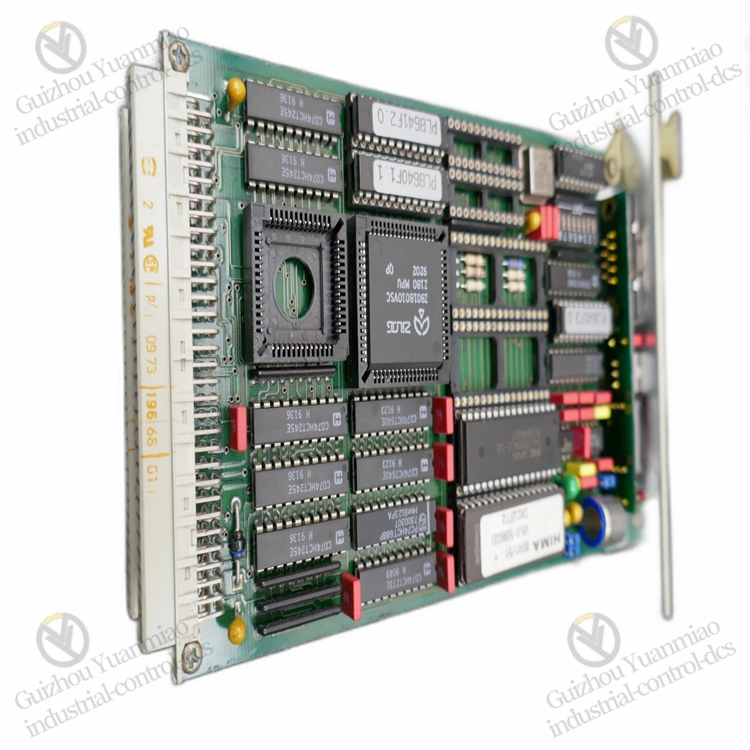
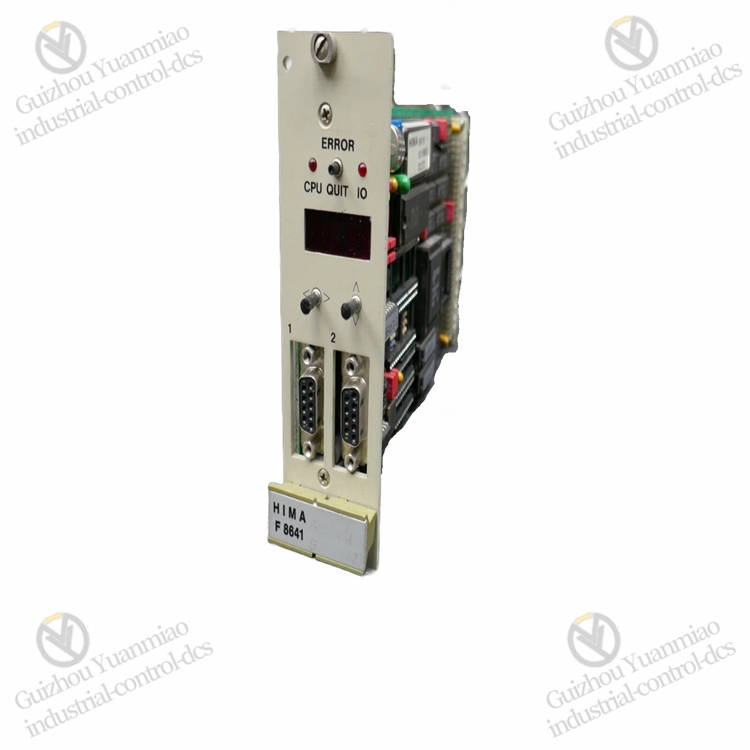
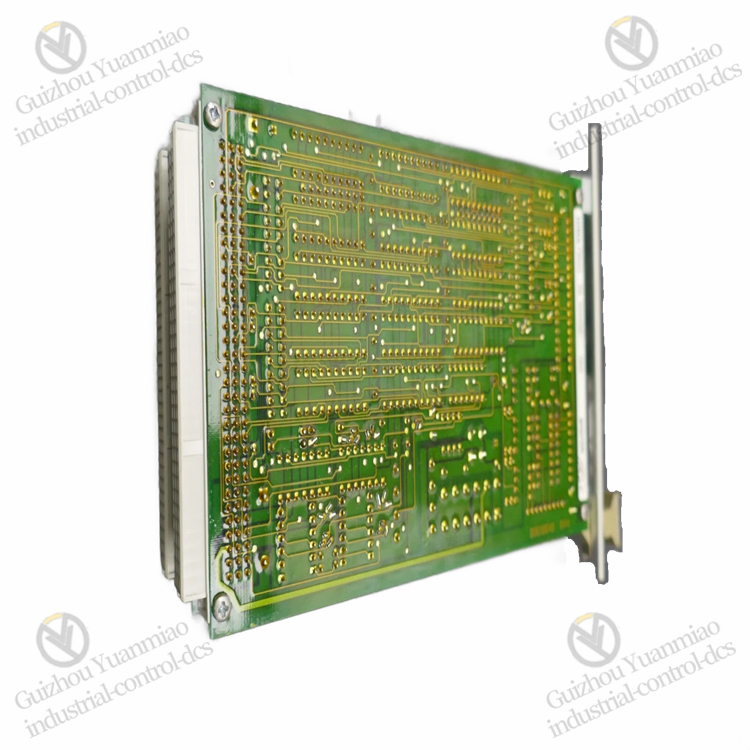
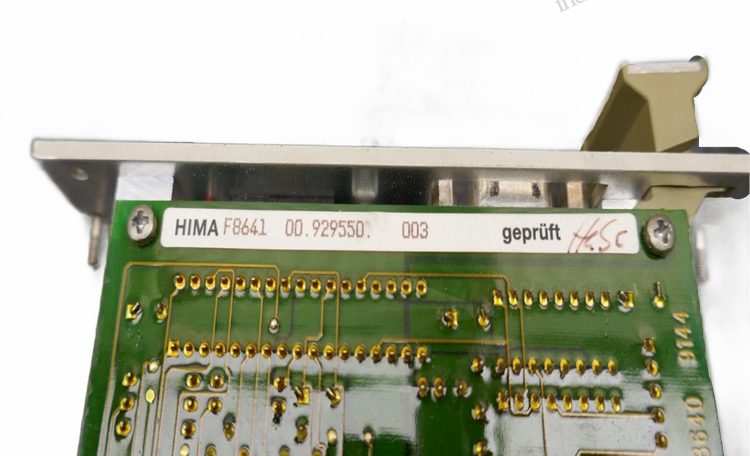
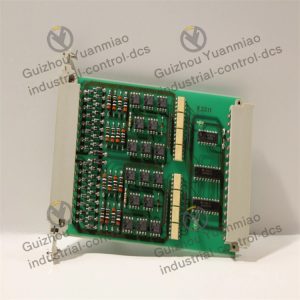
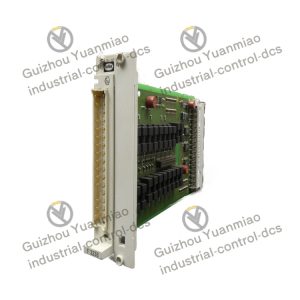
HIMA F8641 Safety Control Input Module
HIMA F8641 is an input module commonly used in industrial safety control systems. It is mainly used to collect various on-site signals and transmit them to the safety controller, playing an important role in scenarios with high safety requirements. The following is an introduction from the aspects of functional characteristics, technical parameters, working principle and application fields:
I. Functional Characteristics
Signal Acquisition and Transmission: It can receive on-site digital or analog signals (the specific type depends on the model details, with digital signals being common). After processing the signals, it transmits them to the safety controller, providing input basis for safety logic operations.
Safety Certification and Fail-Safe Design: It complies with international safety standards (such as IEC 61508) and has a safety level up to SIL3, with fail-safe features. When the module itself or signal transmission fails, it can enter a preset safe state to avoid system misoperation caused by wrong signals.
Diagnostic Function: Equipped with a complete self-diagnostic circuit, it can monitor the working status of the module itself (such as abnormalities in power supply, communication, signal channels, etc.) and feed back fault information through indicator lights or communication interfaces, facilitating quick troubleshooting.
Anti-Interference Ability: It adopts technologies such as electrical isolation (e.g., photoelectric isolation) to effectively resist electromagnetic interference (EMI), ground loops and other interferences in industrial environments, ensuring the accuracy and stability of signal acquisition.
Compatibility with Redundant Design: It can be used with the redundant architecture of the system and supports hot swapping, facilitating maintenance or replacement without interrupting system operation and improving system availability.
Signal Acquisition and Transmission: It can receive on-site digital or analog signals (the specific type depends on the model details, with digital signals being common). After processing the signals, it transmits them to the safety controller, providing input basis for safety logic operations.
Safety Certification and Fail-Safe Design: It complies with international safety standards (such as IEC 61508) and has a safety level up to SIL3, with fail-safe features. When the module itself or signal transmission fails, it can enter a preset safe state to avoid system misoperation caused by wrong signals.
Diagnostic Function: Equipped with a complete self-diagnostic circuit, it can monitor the working status of the module itself (such as abnormalities in power supply, communication, signal channels, etc.) and feed back fault information through indicator lights or communication interfaces, facilitating quick troubleshooting.
Anti-Interference Ability: It adopts technologies such as electrical isolation (e.g., photoelectric isolation) to effectively resist electromagnetic interference (EMI), ground loops and other interferences in industrial environments, ensuring the accuracy and stability of signal acquisition.
Compatibility with Redundant Design: It can be used with the redundant architecture of the system and supports hot swapping, facilitating maintenance or replacement without interrupting system operation and improving system availability.
II. Technical Parameters
Input Signal Type: Usually supports digital input (such as dry contact, wet contact signals). Some models may be compatible with analog signals within a specific range (please refer to specific specifications).
Number of Input Channels: Generally provides multiple independent input channels (such as 8 channels or 16 channels, depending on the model), which can collect multiple on-site signals simultaneously.
Power Requirements: Usually powered by the system rack, with the input voltage mostly being 24V DC (matching the power module of the safety control system).
Safety Level: Meets the requirements of SIL3 safety level, complying with certification standards for high-safety scenarios.
Working Environment:
Input Signal Type: Usually supports digital input (such as dry contact, wet contact signals). Some models may be compatible with analog signals within a specific range (please refer to specific specifications).
Number of Input Channels: Generally provides multiple independent input channels (such as 8 channels or 16 channels, depending on the model), which can collect multiple on-site signals simultaneously.
Power Requirements: Usually powered by the system rack, with the input voltage mostly being 24V DC (matching the power module of the safety control system).
Safety Level: Meets the requirements of SIL3 safety level, complying with certification standards for high-safety scenarios.
Working Environment:
- Operating Temperature: Generally -20℃ ~ +60℃, adapting to a wide temperature range in industrial sites.
- Humidity: 5% ~ 95% RH (non-condensing), capable of stable operation in humid environments.
Response Time: The response time of signal acquisition and transmission is short (usually in milliseconds), ensuring rapid feedback on on-site working conditions.
Size and Installation: Adopts a standardized rack-mounted design, with dimensions adapting to the racks of HIMA series safety control systems (such as HIMatrix system), facilitating integration and layout.
III. Working Principle
Signal Reception: It receives input signals (such as switch status, contact signals) from on-site equipment (such as sensors, limit switches, buttons, etc.), and these signals are connected to the corresponding channels of the module through terminals.
Signal Processing and Isolation: The input signal is electrically isolated by an internal isolation circuit (such as a photoelectric coupler), blocking the electrical connection between the on-site side and the system side, preventing interference signals from entering the controller, and protecting the module and the backend system from on-site high voltage or surges.
Signal Conversion and Verification: The collected signals are filtered, shaped and other processed to be converted into digital signals recognizable by the safety controller. Some modules also perform redundant verification on the signals (such as dual-channel comparison) to ensure the authenticity of the signals and prevent misjudgment caused by single-point faults.
Status Feedback and Communication: The processed signals are transmitted to the safety controller through an internal bus (such as the dedicated bus of HIMA system). At the same time, the module feeds back its own working status (such as normal channel, fault, power status, etc.) to the system through indicator lights or the bus, supporting remote monitoring and diagnosis.
Signal Reception: It receives input signals (such as switch status, contact signals) from on-site equipment (such as sensors, limit switches, buttons, etc.), and these signals are connected to the corresponding channels of the module through terminals.
Signal Processing and Isolation: The input signal is electrically isolated by an internal isolation circuit (such as a photoelectric coupler), blocking the electrical connection between the on-site side and the system side, preventing interference signals from entering the controller, and protecting the module and the backend system from on-site high voltage or surges.
Signal Conversion and Verification: The collected signals are filtered, shaped and other processed to be converted into digital signals recognizable by the safety controller. Some modules also perform redundant verification on the signals (such as dual-channel comparison) to ensure the authenticity of the signals and prevent misjudgment caused by single-point faults.
Status Feedback and Communication: The processed signals are transmitted to the safety controller through an internal bus (such as the dedicated bus of HIMA system). At the same time, the module feeds back its own working status (such as normal channel, fault, power status, etc.) to the system through indicator lights or the bus, supporting remote monitoring and diagnosis.
IV. Application Fields
Petrochemical Industry: In the Safety Instrumented System (SIS), it is used to collect signals from devices such as pressure switches, liquid level switches and emergency stop buttons, providing input for safety logics such as emergency shutdown and interlock protection, and ensuring the safe production of refining and chemical plants.
Energy and Power Industry: In the safety control systems of key equipment such as boilers and steam turbines in power plants, it collects signals from temperature switches and flow switches to ensure that the equipment can trigger protection actions in time under abnormal working conditions.
Rail Transit Field: Used in the signal safety systems of subways and high-speed railways, it collects signals from track occupancy detection devices and emergency braking trigger signals, providing input support for the interlock control of safe train operation.
Mechanical Manufacturing and Automation: In the safety protection systems of production lines, it collects signals from safety door switches, emergency stop buttons, two-hand start devices, etc., and cooperates with safety controllers to realize safe shutdown or interlock control of equipment, protecting the safety of operators.
Petrochemical Industry: In the Safety Instrumented System (SIS), it is used to collect signals from devices such as pressure switches, liquid level switches and emergency stop buttons, providing input for safety logics such as emergency shutdown and interlock protection, and ensuring the safe production of refining and chemical plants.
Energy and Power Industry: In the safety control systems of key equipment such as boilers and steam turbines in power plants, it collects signals from temperature switches and flow switches to ensure that the equipment can trigger protection actions in time under abnormal working conditions.
Rail Transit Field: Used in the signal safety systems of subways and high-speed railways, it collects signals from track occupancy detection devices and emergency braking trigger signals, providing input support for the interlock control of safe train operation.
Mechanical Manufacturing and Automation: In the safety protection systems of production lines, it collects signals from safety door switches, emergency stop buttons, two-hand start devices, etc., and cooperates with safety controllers to realize safe shutdown or interlock control of equipment, protecting the safety of operators.
With high safety, reliability and anti-interference ability, this module has become a key component for signal acquisition in industrial safety control systems, especially suitable for scenarios that need to meet SIL3 and above safety levels.
Reviews
There are no reviews yet.