


Description
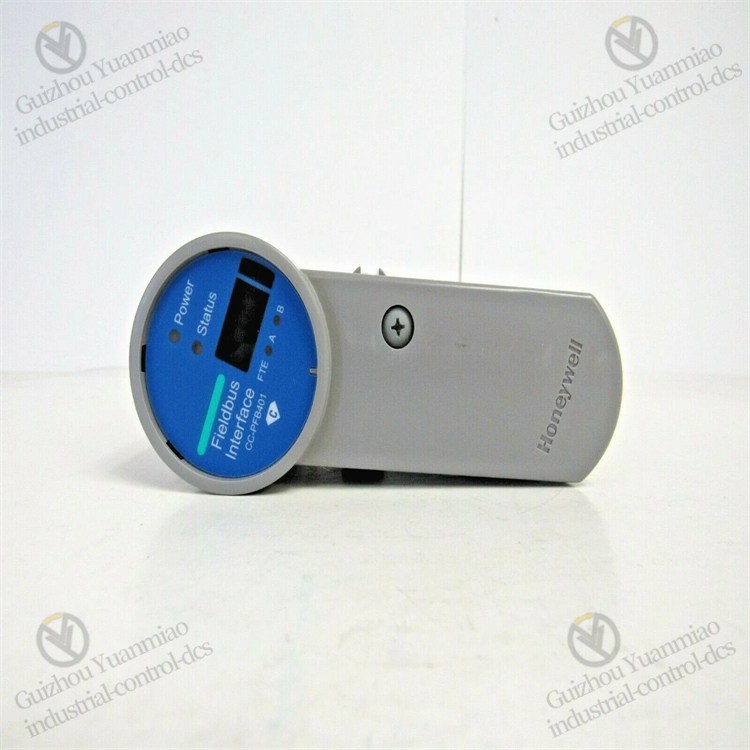
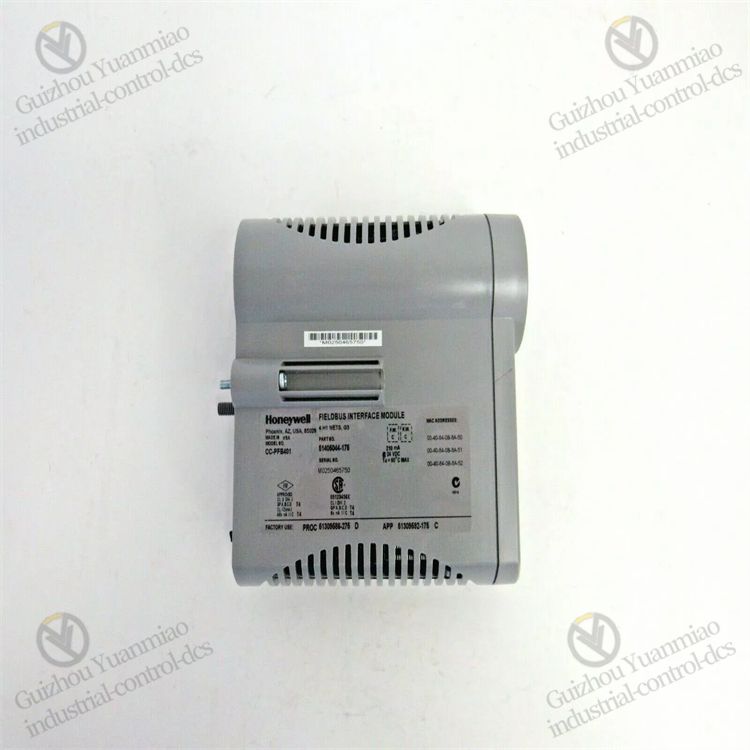
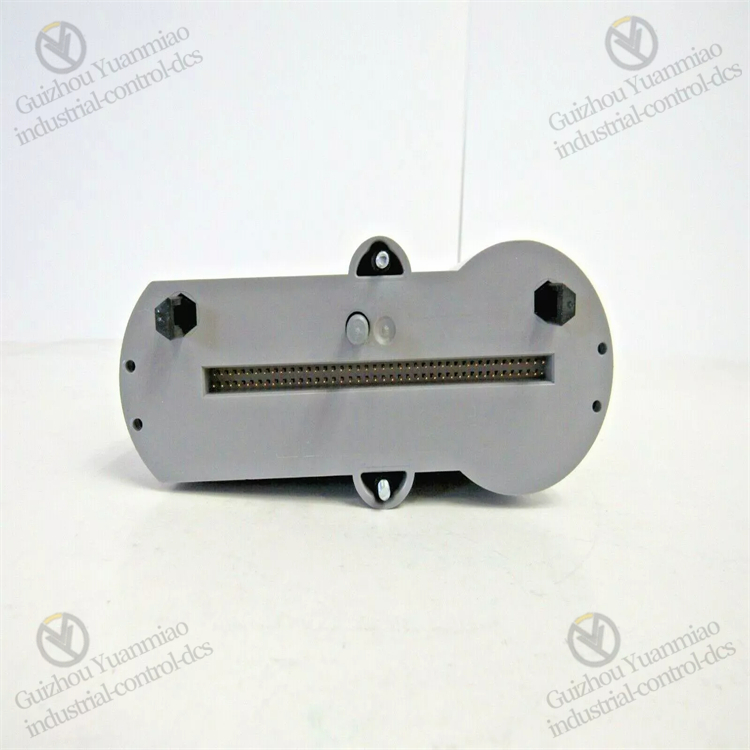
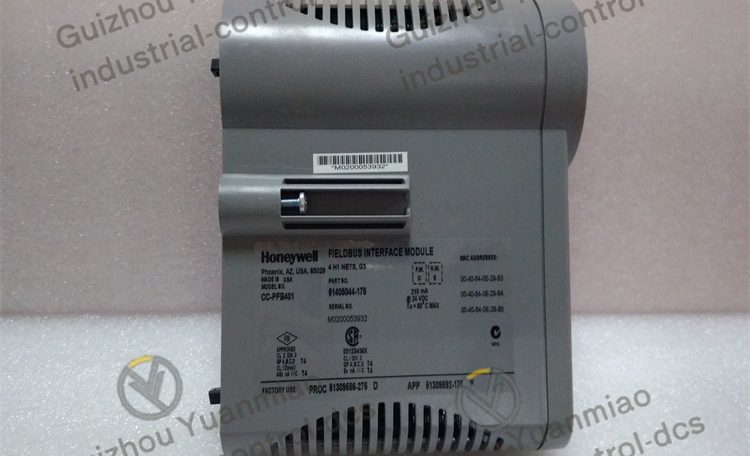
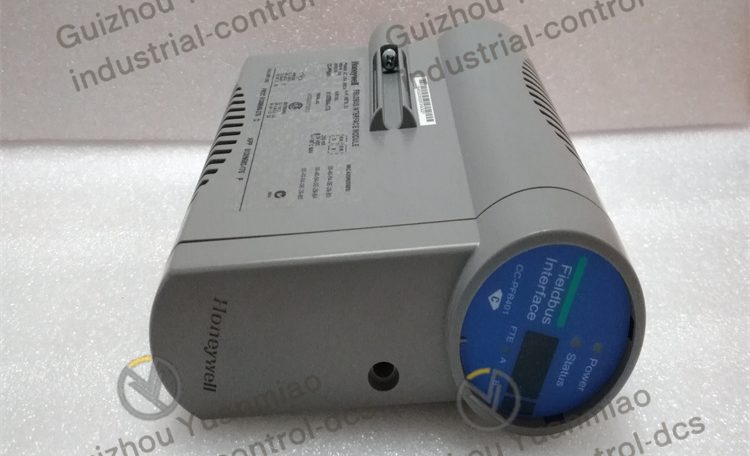
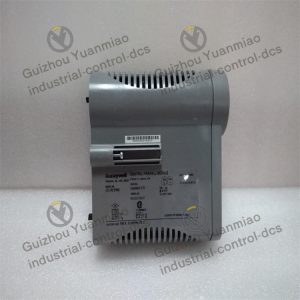
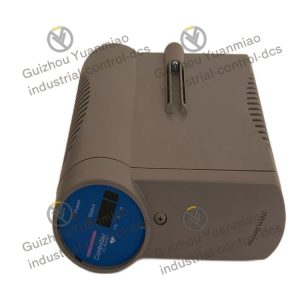
Honeywell CC-PFB401-51405044-175 Fieldbus Interface Module
I. Module Positioning and Functional Overview
The CC-PFB401 is a fieldbus interface module in Honeywell’s C300 control system, primarily used to connect the controller with fieldbus networks (such as Foundation Fieldbus FF, Profibus, etc.), enabling data interaction and protocol conversion between the controller and field instruments/equipment. Its core functions include:
- Serving as a “communication bridge” to convert control commands from the controller into signals recognizable by the fieldbus, while feeding back status data from field devices to the controller.
- Supporting multiple fieldbus protocols to adapt to equipment interconnection needs in different industrial scenarios.
II. Core Working Principle Analysis
1. Hardware Architecture and Signal Processing Logic
- Physical Layer Interface: Connects to fieldbus cables via dedicated terminals or interfaces, supporting electrical signals (e.g., voltage, current) or optical signals to ensure anti-interference capability in industrial environments.
- Protocol Processing Unit: Embeds special chips (e.g., FF protocol controller, Profibus DP slave chip) to parse and generate frame structures (e.g., data frames, command frames, response frames) for corresponding bus protocols.
- Data Buffering and Conversion: Temporarily stores data between the controller and field devices through internal memory (RAM/Flash), while completing signal level conversion (e.g., TTL to RS-485) to ensure electrical compatibility between different devices.
2. Communication Protocol Conversion Mechanism
Taking Foundation Fieldbus (FF) as an example, the workflow is as follows:
- Receiving Instructions from the Controller:
- The C300 controller sends control commands (e.g., “read temperature sensor data,” “output valve opening instruction”) to the PFB401 via the internal bus (e.g., Honeywell’s safety bus).
- The PFB401 converts the controller’s parallel data or specific protocols (e.g., Honeywell’s proprietary protocol) into FF protocol serial data frames, including target device addresses, function codes, data content, etc.
- Sending Signals to Field Devices:
Transmits the converted FF protocol frames to the fieldbus via the physical layer interface. Field instruments (e.g., transmitters, actuators) parse and execute corresponding operations upon receiving the signals. - Receiving Feedback from Field Devices:
- Field instruments return status data (e.g., sensor measurements, device fault signals) via the bus in FF protocol frames to the PFB401.
- The PFB401 parses the protocol frames, extracts valid data, converts it into a format recognizable by the controller (e.g., digital/analog quantities), and feeds it back to the C300 controller via the internal bus.
3. Real-time and Reliability Assurance Mechanisms
- Data Priority Processing: The module integrates a scheduling algorithm to prioritize transmission of high-real-time signals (e.g., emergency shutdown commands), ensuring real-time response in industrial control.
- Redundancy and Fault Tolerance Design:
- Supports bus redundancy (e.g., dual-bus architecture), automatically switching to the standby bus in case of main bus failure to avoid communication interruption.
- Incorporates error checking mechanisms (e.g., CRC check, parity check) to detect transmission errors and request retransmission, ensuring data accuracy.
- Electrical Isolation: Isolates bus signals from internal circuits via optocoupler or magnetic isolation technology, preventing field device failures from impacting the controller and enhancing system anti-interference capability.
III. Collaborative Workflow with C300 Control System
- System Initialization:
Configure the PFB401 module’s bus type, address, communication parameters (baud rate, parity, etc.), and associate field device points in the C300 controller’s configuration software (e.g., Honeywell Experion PKS). - Data Interaction Cycle:
- Periodic Scanning: The module actively queries field device status at a preset cycle (e.g., 100ms), caches data, and sends it to the controller for real-time monitoring or control logic operations.
- Event Triggering: When field device status is abnormal (e.g., over-temperature, fault) or immediate controller instructions are received, the module initiates the communication process immediately to achieve “event-driven” fast response.
- Control Instruction Execution:
The controller generates control instructions (e.g., PID output) based on process logic, converts them into bus signals via the PFB401, and sends them to actuators (e.g., valves, motors) to complete closed-loop control.
IV. Typical Application Scenarios and Advantages
- Application Scenarios:
Suitable for industrial scenarios requiring interconnection of numerous field instruments, such as chemical process control, petroleum refining, power systems, etc., and can connect temperature/pressure transmitters, intelligent valve positioners, analytical instruments, and other devices. - Core Advantages:
- Protocol Compatibility: Supports multiple fieldbus standards, reducing interconnection barriers for devices from different manufacturers.
- High Integration: Directly serves as an expansion module for the C300 controller without additional gateways, simplifying the system architecture.
- Industrial-Grade Reliability: Adapts to harsh environments (high temperature, vibration, electromagnetic interference) through anti-interference design and redundancy mechanisms.
V. Conclusion
The working principle of the CC-PFB401 fieldbus interface module essentially involves “protocol conversion + data relay,” achieving bidirectional communication between the controller and field devices through hardware interfaces and protocol processing chips. It ensures the stability and real-time performance of industrial control through redundancy design and real-time scheduling mechanisms. Its core value lies in establishing the communication link between the “upper-layer control” and “bottom-layer devices” of the automation system, making it a key component in building distributed industrial control systems.
Reviews
There are no reviews yet.