


Description
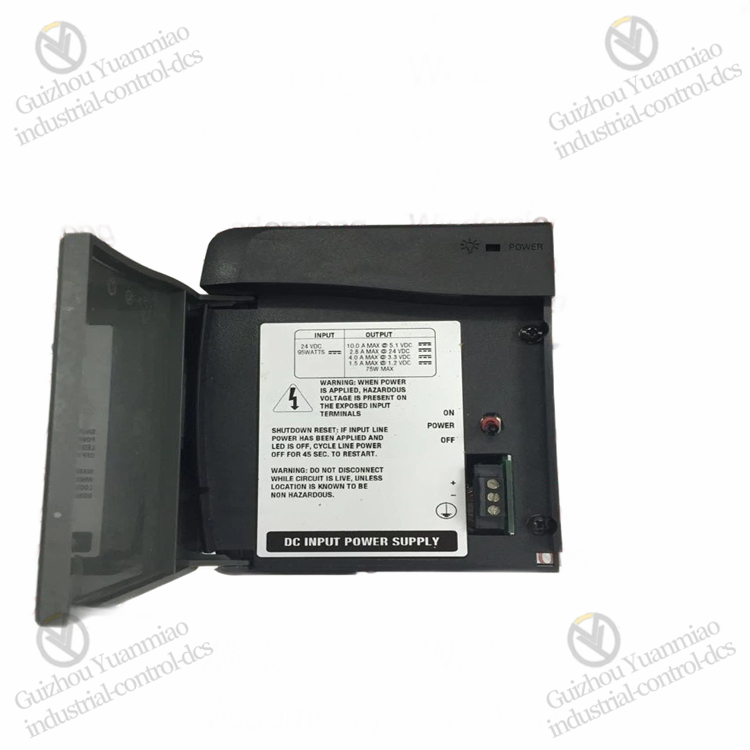
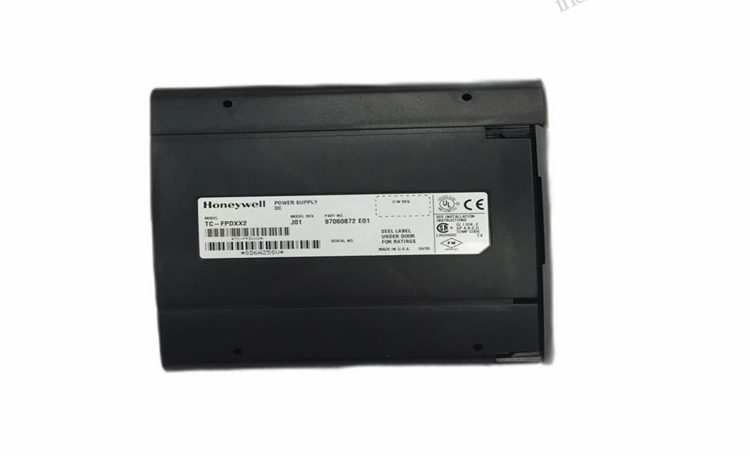
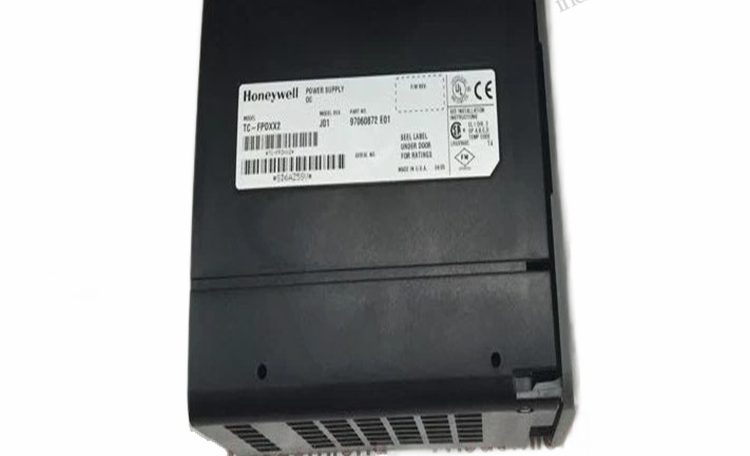
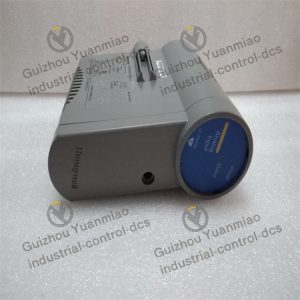
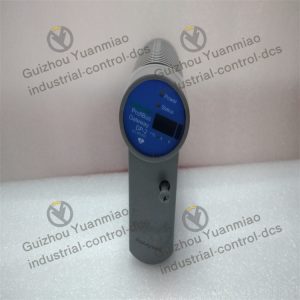
Honeywell TC-FPCXX2 Field Power Computer module
Functional Features
Power-Related Functions
- Outputs low-distortion sine wave power in mains mode or battery mode to ensure stable power supply for load devices.
- Features zero transition time, enabling the UPS (Uninterruptible Power Supply) to switch between the two modes without interval during mains power outages or recovery, enhancing load operation reliability.
- Equipped with bypass output function: by default, there is no bypass output when normal mains power is input, but the configuration can be changed via software. Bypass power supply strengthens emergency response capability and provides overvoltage protection.
Protection Functions
- Has zero-fire wire reverse connection detection to prevent incorrect wiring of UPS mains input.
- Integrates TVSS (Transient Voltage Surge Suppressor) function, providing transient voltage protection for devices like fax machines, telephones, modems, and networks.
- Also includes short-circuit protection, overcurrent protection, and other functions.
Other Functions
- Input power factor correction: the input power factor can reach over 0.95 under full load, reducing pollution to the power grid environment.
- Supports DC start-up: in the event of a mains power outage, it can directly start up with battery DC power.
- Has an automatic start function: it automatically shuts down when the mains power is abnormal and restarts automatically when the power returns to normal.
- Capable of self-checking: simulates power outage conditions and switches to battery mode for power supply, facilitating user inspection.
Technical Parameters
- Power Parameters: Input voltage is 24V DC.
- I/O Points: 16 digital inputs and 16 digital outputs.
- Communication Ports: Equipped with Ethernet and RS485 communication ports.
- Programming Language: Complies with IEC 61131-3 standards.
Working Principles
Core Processing Principle
The module is equipped with a high-performance processor. When the module is running, the processor processes various input data according to preset programs. This data may come from various sensors connected to the system, such as temperature sensors and pressure sensors. The processor analyzes and calculates this data based on built-in algorithms and logic to determine the current system operating status and decide whether to issue corresponding control commands.
Data Storage and Calling Principle
The module has sufficient memory. On the one hand, it stores program codes required for system operation, including control logic, communication protocols, and other related programs, ensuring the module operates according to established rules. On the other hand, the memory stores data and intermediate results generated during operation, such as historical data collected by sensors and processed calculation results. These data can be called by the processor at any time for subsequent analysis and judgment or transmitted to other devices as needed.
Communication Principle
Supporting multiple communication protocols is a key feature of this module. It can use standard protocols like Modbus and OPC to communicate with other devices in the automation system, enabling data exchange, receiving instructions and data from other devices, and sending processed data to other devices. Additionally, it can connect to networks via Ethernet or other industrial communication protocols to communicate with remote monitoring devices or host computers, allowing operators to monitor and manage the system remotely.
Power Management Principle
As a field power computer module, it has efficient and stable power management capabilities. Using advanced technology, it provides stable power output for itself and connected devices to ensure normal operation of electrical equipment. It also integrates multiple safety protection mechanisms, such as overvoltage protection, overcurrent protection, and short-circuit protection, which activate promptly in case of anomalies to prevent circuit failures and ensure the stability and reliability of the module and the entire system.
Modular Expansion Principle
The module adopts a modular design, offering strong flexibility and scalability. Users can easily add or remove modules based on actual needs to adapt to different application scenarios and changes in system scale. When system functions need to be expanded, simply connect the corresponding modules, which communicate and collaborate through specific interfaces to achieve rapid functional expansion and customization.
Application Fields
Industrial Automation
The module can be used in various industrial automation production lines and 配合 (cooperate with) programmable logic controllers (PLC) and distributed control systems (DCS). For example, in the automotive manufacturing industry, it connects to sensors, actuators, and other equipment on the production line to achieve precise control of production processes, including automated control of body welding, component assembly, etc., improving production efficiency and product quality. In the food and beverage processing industry, it precisely controls parameters such as temperature, time, and material flow during production to ensure food taste and quality, while reducing manual intervention and enhancing production safety and stability.
Environmental Protection
Widely applied in environmental protection equipment and systems. For instance, in sewage treatment plants, it connects to water level sensors, water quality monitoring sensors, pumps, valves, etc., to achieve automated monitoring and management of the sewage treatment process, automatically adjusting equipment operation based on changes in water quality and quantity to ensure effluent meets standards. In waste gas treatment systems, it real-time monitors various indicators of waste gas and controls related equipment for treatment to meet environmental protection emission standards.
Mining and Geology
Applied in mining and ore dressing processes. It connects to various monitoring devices in mines, such as seam pressure sensors and ore grade analyzers, to real-time monitor and collect production process data, enabling timely adjustment of production strategies, ensuring production safety, and improving mining efficiency and resource utilization. It also achieves automated control of mine ventilation, drainage, and other systems to ensure a safe production environment.
Building Materials
In building material production processes like cement and glass manufacturing, the TC-FPCXX2 module connects to kiln temperature sensors, pressure sensors, batching scales, etc., to achieve precise control of the production process. Through real-time monitoring and adjustment of production parameters, it ensures stable product quality, improves production efficiency, and reduces energy consumption.
Electronics and Electrical Engineering
On electronic device production lines, it controls automated assembly and testing equipment to ensure production precision and quality of electronic products. In electrical systems, the module is used for power distribution and monitoring, real-time monitoring of parameters such as voltage, current, and power in the electrical system, issuing alarm signals promptly in case of anomalies, and automatically adjusting according to preset programs to ensure stable operation of the electrical system.
Reviews
There are no reviews yet.