

Description
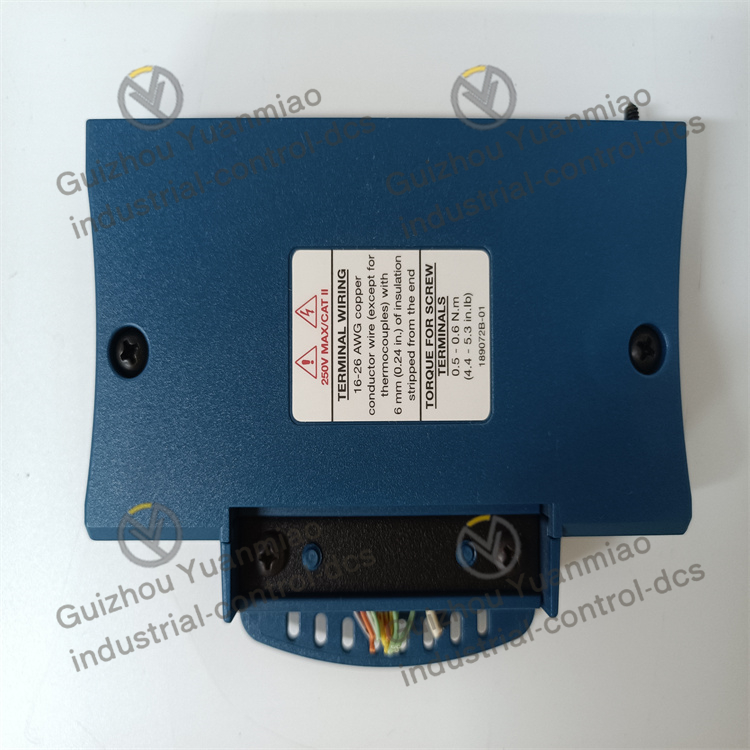
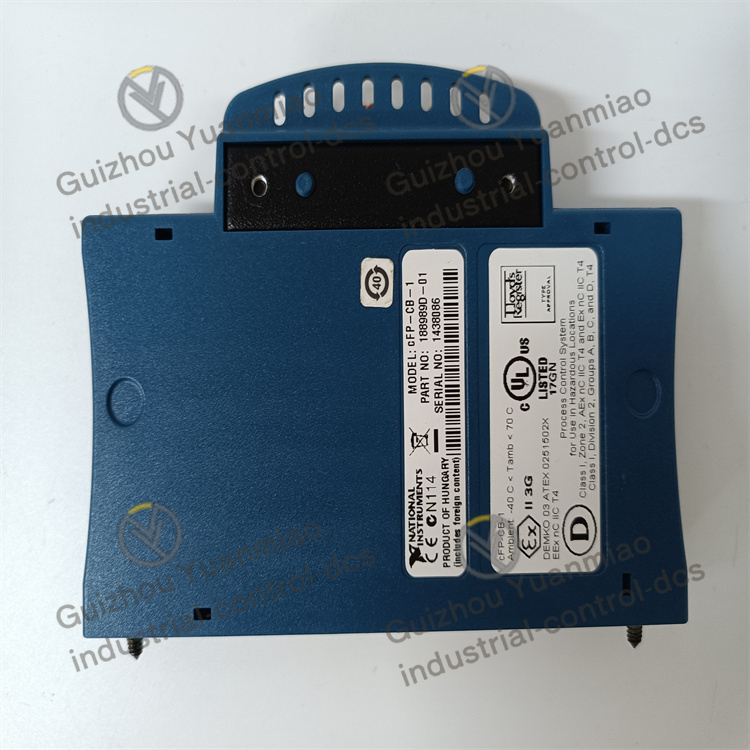
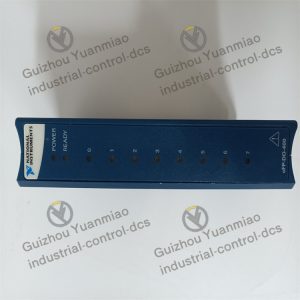
NI CFP-CB-1 integrated connector block
Terminal quantity: Equipped with 36 screw terminals, multiple wires can be connected to a single terminal, simplifying wiring.
Current specification: The maximum current of terminals V and C is 4A, and the maximum current of other terminals is 2A.
Voltage limit: 250-volt voltage limit.
Temperature range: The recommended operating temperature range is -40 ℃ to 70℃, and the storage temperature range is -55 ℃ to 85℃.
Special Function: CFP-CB-1 is an integrated connector block produced by National Instruments, used for connecting Compact FieldPoint I/O modules. It features strain relief and is equipped with a separate wire pull connector, facilitating the creation of a safe wiring device for high-shock and vibration applications. When used in conjunction with thermocouples, there are also thermistors for cold junction compensation.
Coding characteristics: It features tension discharge and coordinated indentation for connection, as well as shadow coding for voltage correlation and normal correlation that is easy to connect to the terminal.
Application
Photovoltaic inverter monitoring
In solar power stations, voltage and current sensors are connected to inverters, and the power generation data is integrated into the PLC control system to achieve power generation statistics and abnormal alarm. The high anti-interference ability of CFP-CB-1 can reduce the interference of power electronic equipment on signal transmission.
Smart grid terminal equipment
It is used for signal access of distribution network automation terminals (such as FTU, DTU), connecting switch status sensors, voltage transformers, etc., to support real-time monitoring and fault location of line parameters in the power system.
Environmental control of train carriages
Connect the temperature and humidity sensors and air conditioning controllers in the carriages, and access the signals to the train network control system through CFP-CB-1 to achieve the automatic regulation of the carriage environment. Its anti-vibration design can meet the harsh working conditions during train operation.
Rail transit signal system
In railway signal lights and turnout control equipment, it serves as an intermediate connector for signal transmission, ensuring the stable transmission of control signals and reducing signal delays or errors caused by wiring issues.
Reviews
There are no reviews yet.