

Description
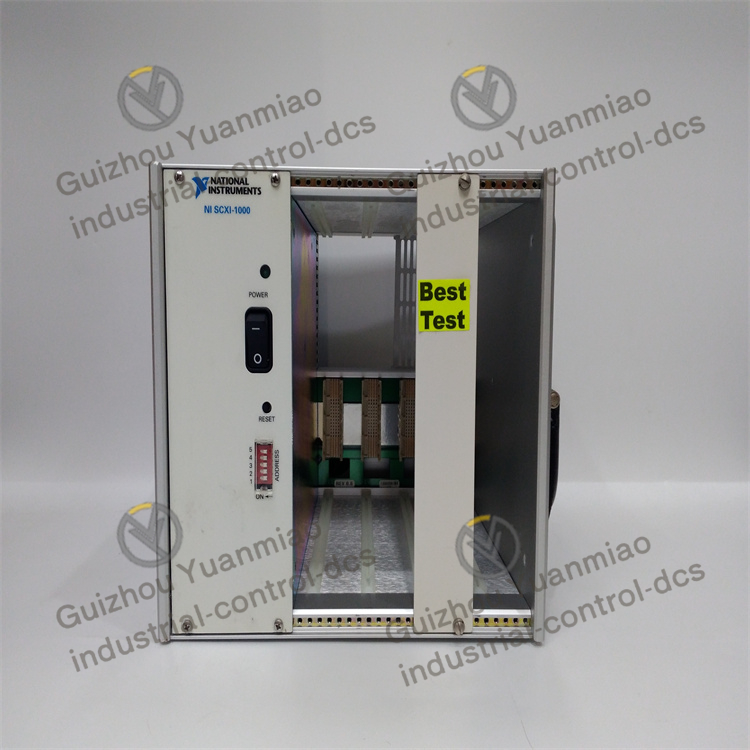
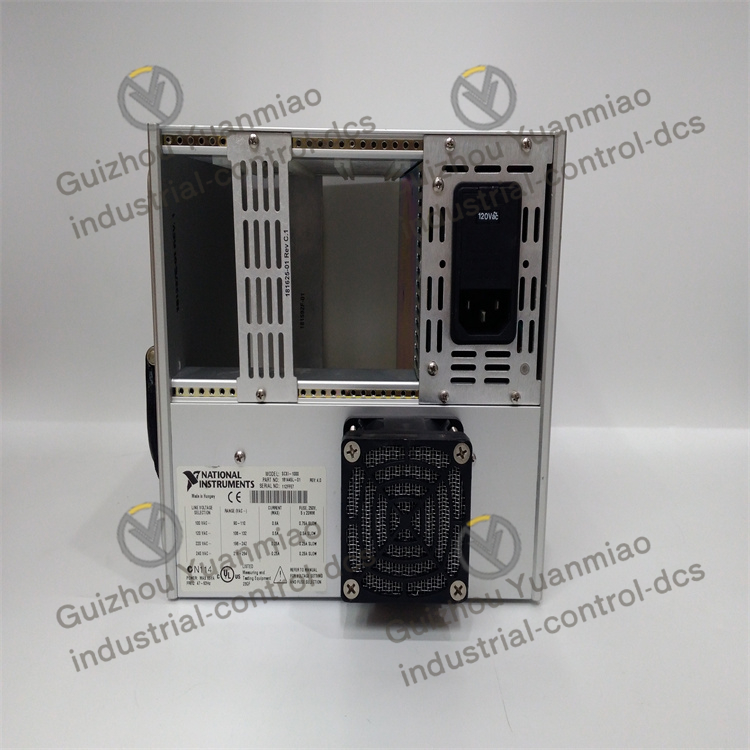
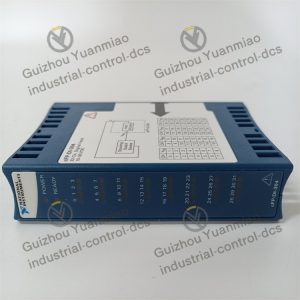
NI SCXI-1000 digital quantity framework
Technical characteristics
Modular design: By adapting to multiple signal types through different SCXI modules, it offers high flexibility and can be extended to complex test systems.
Electrical isolation and anti-interference: Some modules support isolation functions, and in combination with metal chassis shielding, they are suitable for strong interference environments in industrial sites.
Real-time performance and synchronization: The backplane trigger bus and high-speed data transmission protocols (such as DMA) ensure the real-time acquisition and synchronization of multi-channel signals.
Software integration: Deeply integrated with NI drivers and development tools to reduce the difficulty of system development and enhance engineering efficiency.
Functional features: The SCXI-1000 is a chassis mainly used to accommodate SCXI modules, with a maximum capacity of four modules. The NI X series, M series, E series or S series DAQ modules can be selected to control this chassis.
Chassis address setting: The default address of the SCXI-1000 chassis is 0. It can be configured as one of 32 different addresses to connect multiple SCXI chassis to the same control source. Revision D has no address patch cords or switches and will respond to any address, but it cannot be used in multi-chassis systems. Version E chassis uses the jumper on slot 0 for chassis addressing. Chassis of version F and higher versions use DIP switches for chassis addressing.
Application fields: It can be used to build various test and measurement systems, evaluate the performance of electrical, electronic or mechanical systems, and is also suitable for laboratory measurements, automatic test benches and production tests. Meanwhile, it can monitor and control digital signals in the fields of industrial control and automation, such as switch status and sensor signals, and can also be used in data acquisition scenarios such as environmental monitoring, structural health monitoring, and real-time control. In addition, in scientific research, custom data acquisition systems can be constructed, which are also applicable to teaching experiments and training courses in educational institutions, helping students understand the principles of digital signal processing, data acquisition and control systems.
Reviews
There are no reviews yet.