

Description
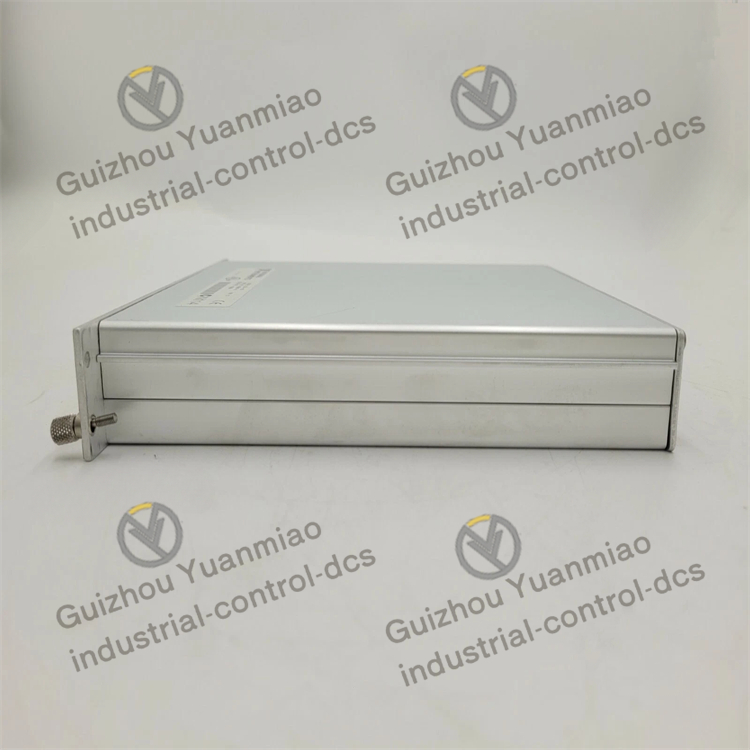
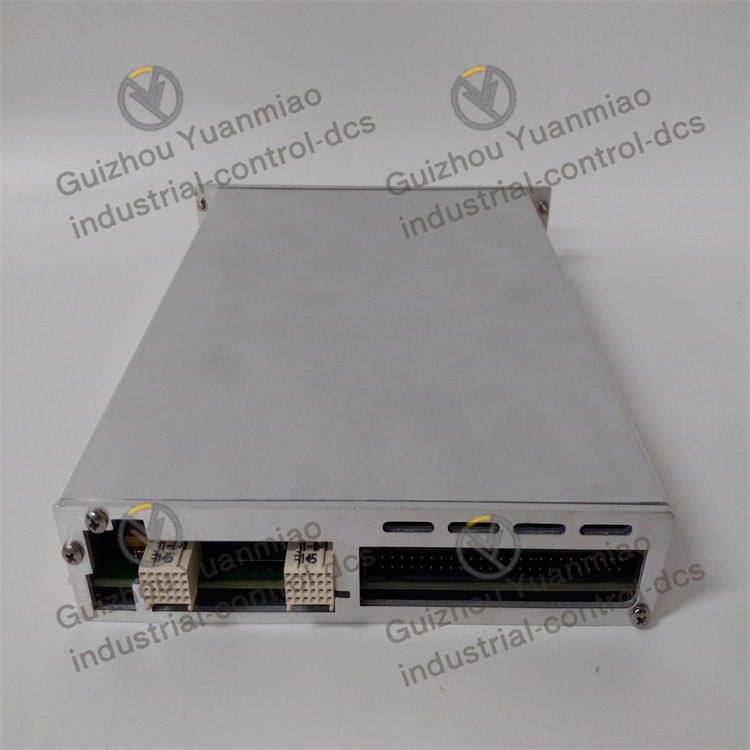
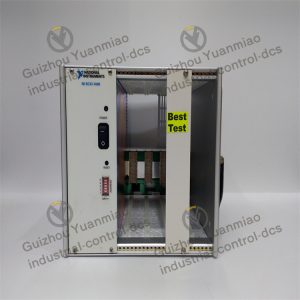
NI SCXI-1126 eight-channel isolated frequency input module
Channel characteristics: It features 8 isolated input channels, each with 10 selectable input frequency ranges from 250Hz to 128kHz, which can meet the measurement requirements of signals of different frequencies.
Filter Settings: Each channel is equipped with four optional 4-pole low-pass filters with a cut-off frequency ranging from 1Hz to 1kHz, which can effectively filter out interference signals and improve the accuracy of frequency measurement.
Isolation performance: Channel-to-channel isolation analog input stage, each channel’s input stage is isolated from other channels and chassis, up to 250Vrms, and it also has input overvoltage protection function, up to 250Vrms when the device is turned on or off, which can protect the module and connected devices from voltage spikes or ground loops.
Threshold and lag function: The trigger circuit can compare the input waveform with the threshold and lag programmed by the user. The programmable range of the threshold is -0.5 to 4.48V, and the programmable range of the lag is 0 to 4.98V. If combined with the SCXI-1327 100:1 high-voltage attenuator terminal block, the threshold range can be expanded to -50V to 250V, and the hysteresis range can be expanded to 0 to 250V.
Compatibility and software support: Compatible with PLC/DCS systems, it can be configured and programmed using software tools such as Measurement & Automation Explorer (MAX) of National Instruments and LabVIEW, and also supports synchronization and trigger functions. Suitable for complex test Settings.
Application
Real-time monitoring of motor speed: In production line drive motors, fans, and pump equipment, the speed of the equipment is monitored in real time by measuring the frequency signals output by encoders or tachogenerators.
Grid frequency and harmonic analysis: In substations or distributed generation systems, monitor grid frequency (such as 50Hz/60Hz) and harmonic components to assess power quality.
Aerospace equipment: It can monitor the frequency signals of aircraft engine speed sensors and spacecraft attitude control motors. It features a wide-temperature design (the operating temperature is usually adapted to industrial-grade standards) to handle complex environments, and overvoltage protection to resist electrical interference during the start-up and shutdown of aviation equipment.
Reviews
There are no reviews yet.