


Description
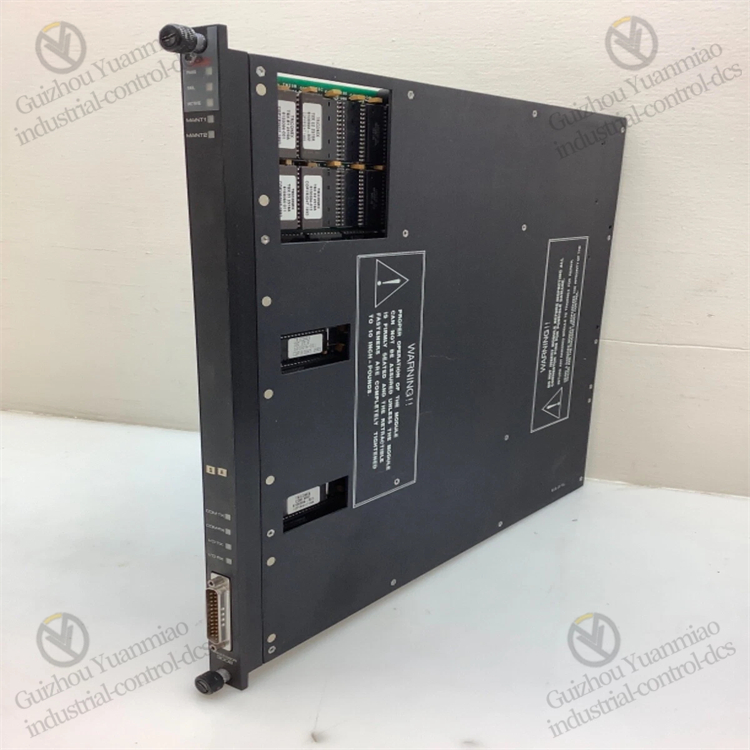
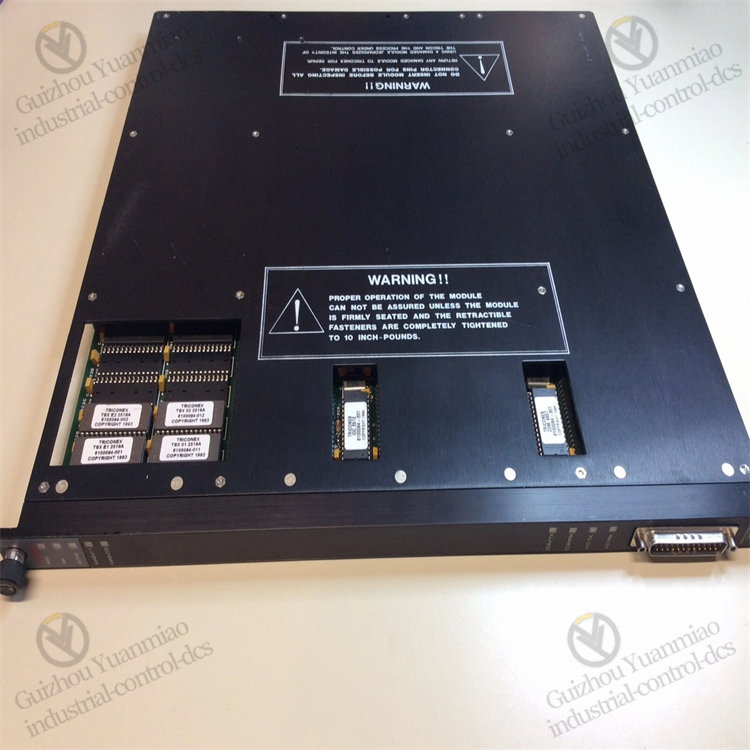
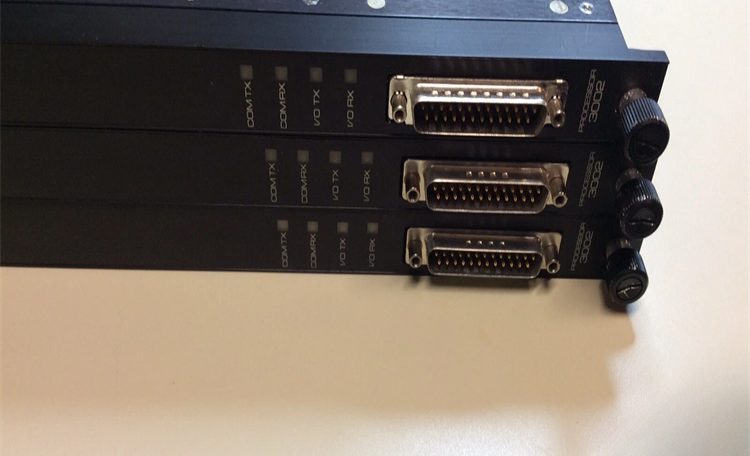
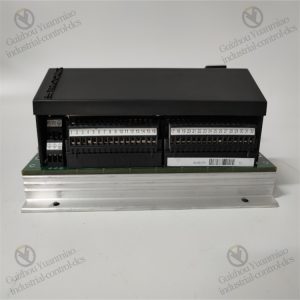
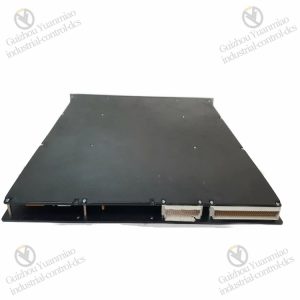
TRICONEX 3002 Triple redundant controller
TRICONEX 3002 is a triple-redundant controller introduced by TRICONEX, serving as a core component of the Tricon system. It is primarily used in industrial automation control scenarios with high safety requirements. Its working principle is based on the Triple Modular Redundancy (TMR) architecture, achieving fault tolerance and high reliability through parallel processing and voting mechanisms. The detailed explanation of its core working principles is as follows:
1. Triple Modular Redundancy (TMR) Architecture
TRICONEX 3002 employs three independent processor channels (CPU A, B, C) to run the same control program in parallel and process input signals synchronously:
- Each channel contains independent CPUs, memory, and I/O interfaces, which are isolated and completely identical.
- Input signals are received and processed by the three channels simultaneously to generate respective output results.
- Voting Mechanism: The output results of the three channels are compared in real-time (every 2–5 ms). In case of inconsistencies, the system uses the “2 out of 3” principle to select the correct result, ensuring that a single channel failure does not affect the system output.
2. Input Processing Flow
- Signal Acquisition: Signals from field sensors (such as temperature, pressure, liquid level, etc.) enter the system through redundant I/O modules (e.g., the 3700 series).
- Signal Distribution: Each input signal is copied into three parts and sent to the three CPU channels respectively.
- Parallel Processing: The three CPU channels independently process the input signals and execute control logic (such as PID algorithms and logical interlocks).
3. Voting and Output Mechanism
- Intermediate Result Voting: At key calculation nodes (such as each scan cycle), the three channels compare intermediate results. If differences exist, the system marks the faulty channel and continues to use the majority-consistent result.
- Output Voting: The final output signal is generated through a voting circuit to ensure that the output remains correct even if a channel fails.
- Fault Handling: If a channel consistently produces inconsistent results, the system isolates it (without affecting the operation of other channels), triggers an alarm, and allows online replacement of the faulty module.
4. Fault Detection and Tolerance
- Built-in Self-Diagnosis: Each channel real-time monitors its own hardware status (such as CPU, memory, and communication links) and reports anomalies immediately.
- Cross-Checking Between Channels: The three channels compare processing results with each other to identify potential software or hardware faults.
- Redundant Power Supply and Communication: The system supports dual power inputs and redundant communication paths to further enhance reliability.
5. Application Scenarios
TRICONEX 3002 is mainly used in safety-critical systems, such as:
- Emergency Shutdown System (ESD): Quickly shuts down equipment in hazardous situations.
- Burner Management System (BMS): Monitors the combustion process of equipment such as boilers and reactors.
- Fire & Gas Detection System (FGS): Responds in real-time to fire or gas leakage alarms.
- Critical Process Control: Core production links in high-risk industries such as oil refining and chemical engineering.
6. Technical Parameters
- Processor: Typically uses high-performance industrial-grade CPUs (such as Intel Xeon).
- Scan Cycle: The typical value is 5–20 ms, supporting high-speed control requirements.
- Safety Integrity Level: Complies with IEC 61508 SIL3 and ISA 84.01 standards.
- Communication Interfaces: Supports multiple industrial protocols (such as Modbus, Profibus, Ethernet/IP).
- Redundancy Mode: Triple redundancy (TMR), supporting online hot-swappable maintenance.

Conclusion
TRICONEX 3002 achieves extremely high reliability (system availability > 99.999%) through a combination of hardware redundancy, voting mechanisms, and self-diagnosis, making it suitable for industrial scenarios with strict safety requirements. Its core advantage lies in maintaining system normal operation when single or multiple components fail, effectively avoiding production interruptions or safety accidents caused by single-point failures.
Reviews
There are no reviews yet.