

Description
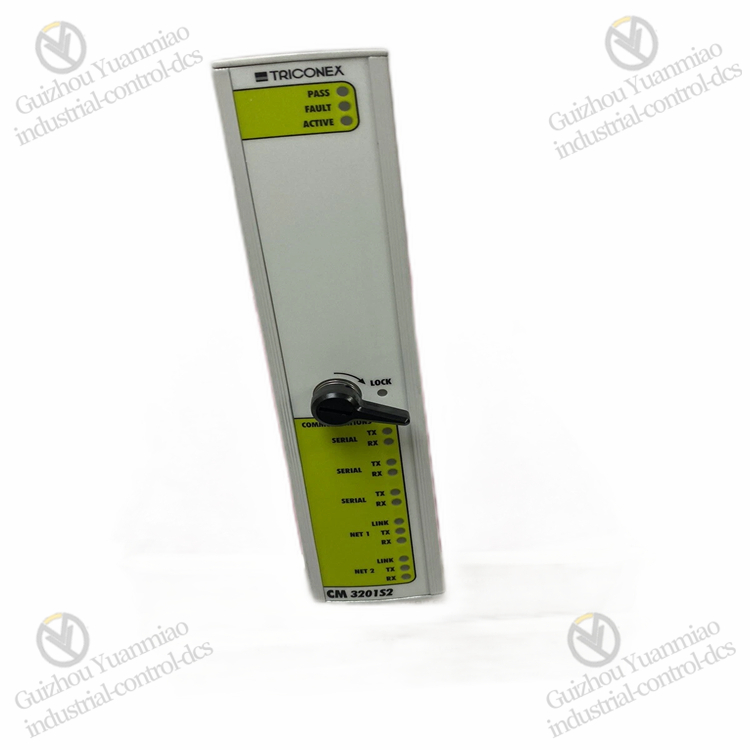
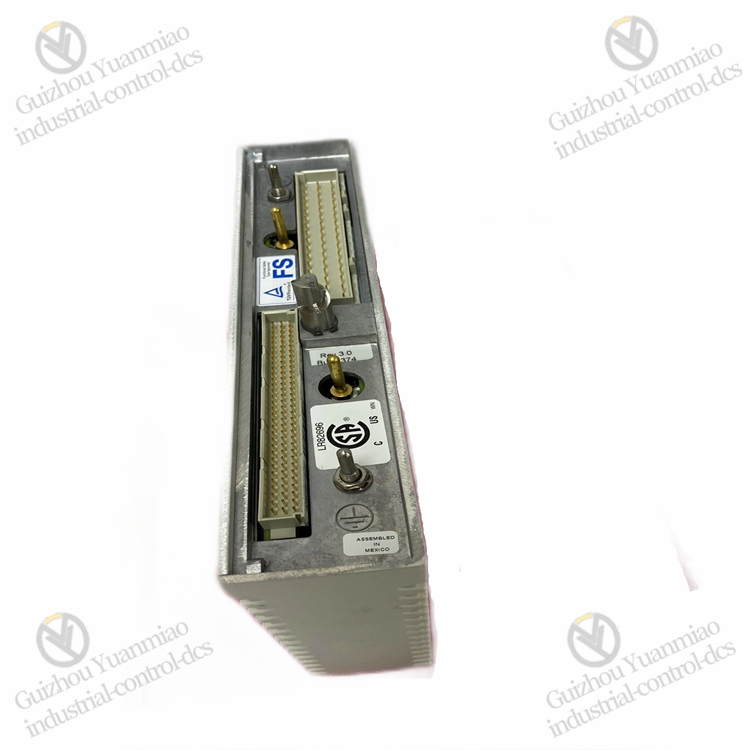
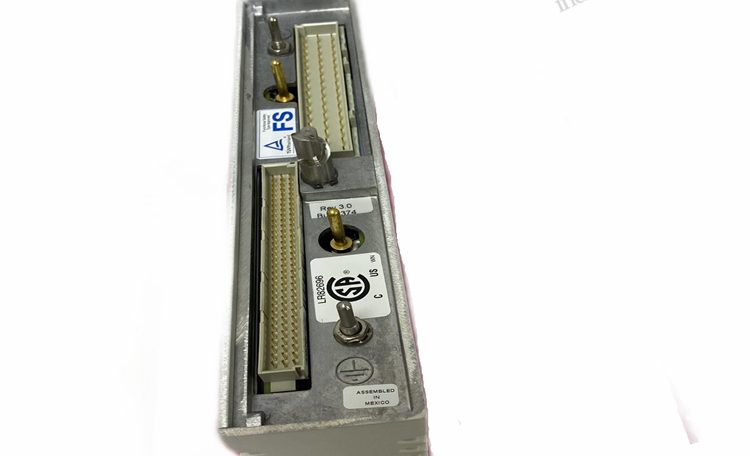
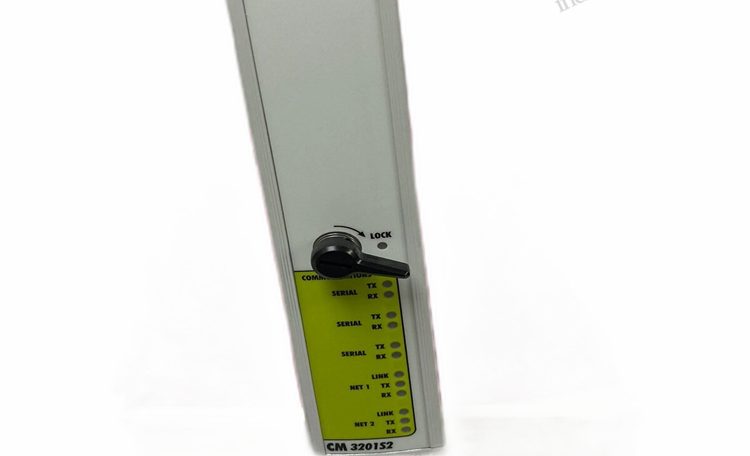
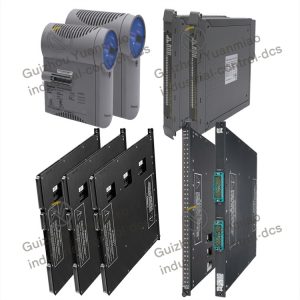
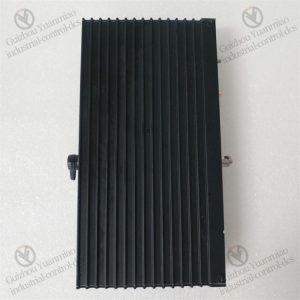
TRICONEX 3201S2 Digital I/O Module
I. Module Positioning and Basic Background
The TRICONEX 3201S2 is a safety-related I/O module and a core component of the TRICONEX Safety Instrumented System (SIS). It primarily realizes safety signal input/output control in industrial automation scenarios. Designed to high-reliability standards, it features typical TRICONEX technical characteristics in redundancy mechanisms (such as Triple Module Redundancy, TMR architecture), suitable for industries with extremely high safety requirements like oil, chemical, and power.
II. Core Features of Redundancy Support Functions
1. Triple Module Redundancy (TMR) Architecture at Hardware Level
- Architectural Design:
The 3201S2 module adopts TMR technology with “three-channel independent operation + cross-checking”. Each module contains three physically independent circuit channels (Channels A, B, and C), which process the same input/output signals in parallel and monitor each other in real time. - Fault Tolerance Mechanism:
When a single channel fails, the other two normal channels can still maintain the module’s normal operation. The system automatically isolates the faulty channel and alarms, allowing replacement of faulty components without shutdown to ensure uninterrupted control processes. - Example Scenario:
If a channel experiences abnormal signal transmission due to hardware aging, the other two channels will output correct signals through the “2 out of 3” voting mechanism (majority voting principle), avoiding system misoperation caused by single-point failures.
2. Power and Communication Link Redundancy
- Power Redundancy:
The module supports redundant configuration of dual power inputs (e.g., two independent 24V DC power supplies). When one power supply fails, the other takes over automatically to ensure continuous operation during power anomalies. - Communication Link Redundancy:
- Communication with controllers (such as TRICONEX 3009X) uses redundant network interfaces (e.g., dual Ethernet ports) supporting hot-standby switching to avoid communication interruptions due to single-link failures.
- It supports multiple redundant communication protocols (e.g., Modbus TCP/IP redundant links) to ensure reliable data transmission.
3. I/O Signal Path Redundancy
- Redundancy Design for Input/Output Channels:
For critical signals (such as emergency shutdown signals and safety interlock signals), the 3201S2 supports channel-level redundancy. Each physical channel can be configured in a redundant input/output mode (e.g., dual-channel parallel input to collect the same signal simultaneously), further reducing the risk of signal loss.
Output signals adopt three-channel independent driving, and each channel can independently control actuators (such as valves and relays), ensuring the correctness of output signals through the voting mechanism. - Terminal Redundancy:
The module’s terminal block supports dual-wire connection (e.g., the same signal is connected to two independent terminals) to prevent signal interruption due to poor terminal contact or cable failure.
4. Hot Swap Redundancy Support
The module supports online hot swap, meaning faulty modules can be directly replaced during system operation without powering off or interrupting control processes. The redundant architecture ensures other channels remain operational during swapping, and the new module automatically synchronizes configurations and data after replacement, achieving “zero downtime” maintenance.
5. Redundancy Management and Diagnosis at Software Level
- Redundancy Logic Programming:
Through TRICONEX’s dedicated programming software (such as TriStation), users can customize redundancy strategies, such as:- Configuring the “2 out of 3” voting logic for input signals;
- Setting the redundant driving mode for output signals (e.g., three-channel simultaneous output or primary-backup switching).
- Real-time Fault Diagnosis and Tolerance:
The module incorporates built-in redundancy diagnostic algorithms to continuously monitor the electrical characteristics, communication status, and data consistency of each channel. Upon detecting a fault, it immediately notifies users through system logs and alarm interfaces (such as relay outputs and network messages) and automatically performs redundancy switching to ensure the system remains in a safe state.
III. Industry Application Value of Redundancy Functions
- Meeting High Safety Integrity Level (SIL) Requirements:
Based on its redundant design, the 3201S2 module supports SIL 3 safety system certification, suitable for critical scenarios requiring compliance with IEC 61508/61511 standards (such as emergency shutdown of oil platforms and safety interlocks for chemical reactors). - Reducing Unplanned Shutdown Risks:
The redundancy mechanism prevents system shutdowns caused by single-component failures, significantly improving production efficiency and economy, especially in continuous production processes (such as oil refining and power generation). - Adapting to Harsh Industrial Environments:
In environments with high temperatures, vibrations, and electromagnetic interference, the redundant design enhances the module’s anti-interference capability, ensuring stable signal transmission.
IV. Comparison of Redundancy Features with Similar Products
| Comparison Dimension | TRICONEX 3201S2 | Non-Redundant I/O Module | Dual-Channel Redundant Module |
|---|---|---|---|
| Redundancy Architecture | Triple Module Redundancy (TMR) | No redundancy | Dual-channel hot standby (1oo2D) |
| Fault Tolerance | Single-channel failure does not affect system operation | Single-point failure leads to system failure | Single-channel failure allows system operation |
| Voting Mechanism | 2 out of 3 majority voting | None | 1 out of 2 or 2 out of 2 voting |
| SIL Level Support | SIL 3 | Usually only SIL 1-2 | SIL 2-3 |
| Maintenance Convenience | Hot swap + online replacement | Requires shutdown for maintenance | Partial hot swap support |
V. Summary
The redundancy support functions of the TRICONEX 3201S2 module center on the TMR hardware architecture, combined with full-link redundancy design for power, communication, and I/O paths, achieving a safety closed-loop of “fault tolerance – online repair – continuous operation”. Its redundancy mechanisms not only meet industrial safety standards but also provide reliable safety guarantees for critical processes through high-availability design, making it one of the core components of safety instrumented systems in high-risk industries such as oil and chemical.

Reviews
There are no reviews yet.