


Description
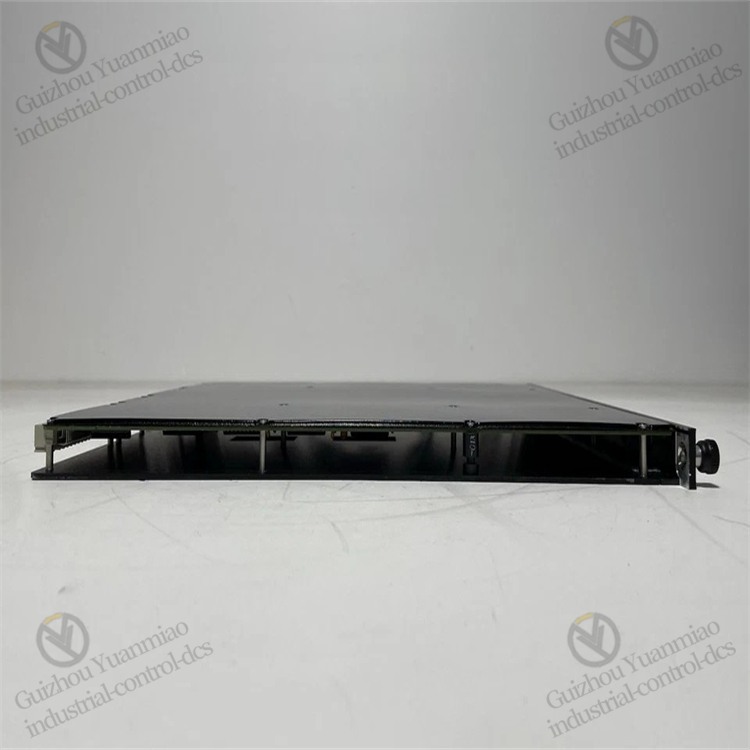
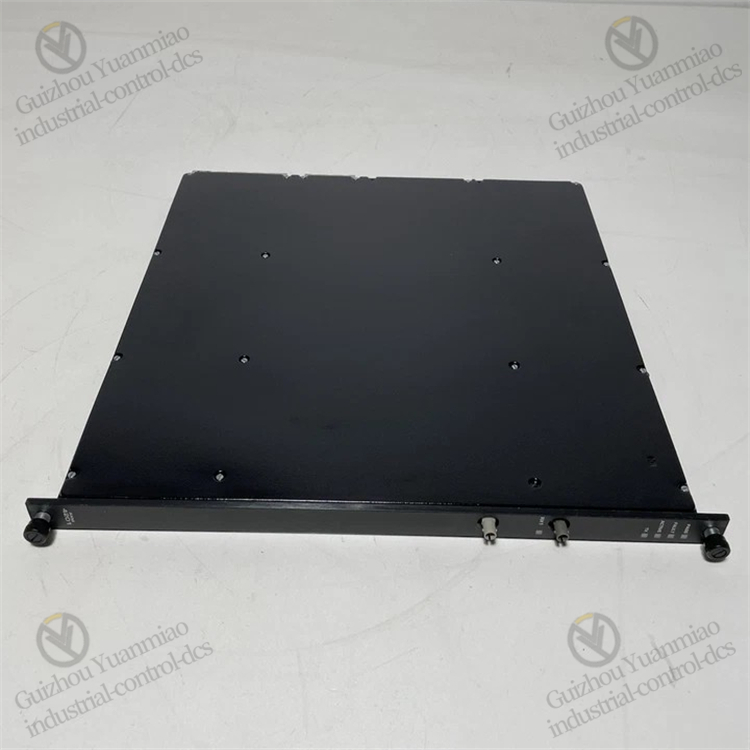
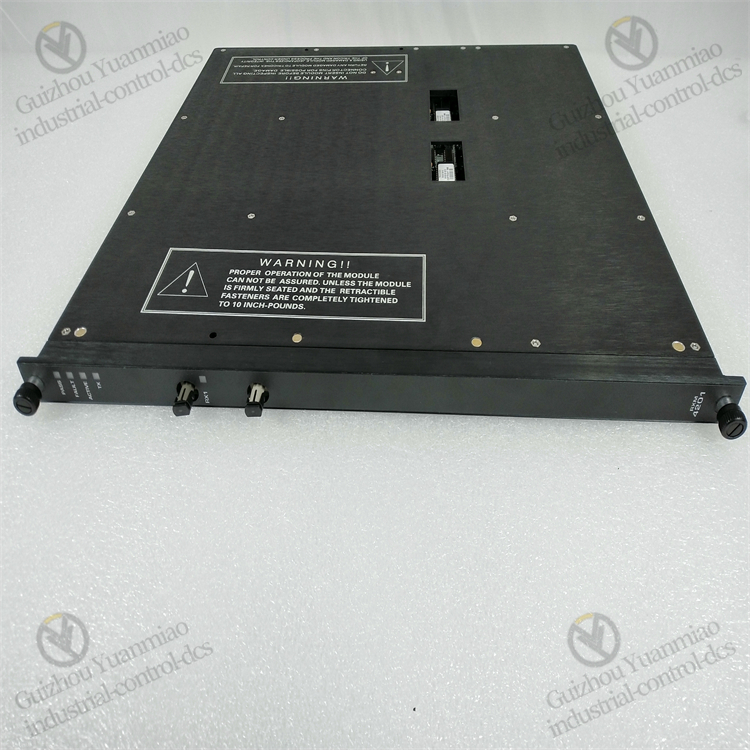
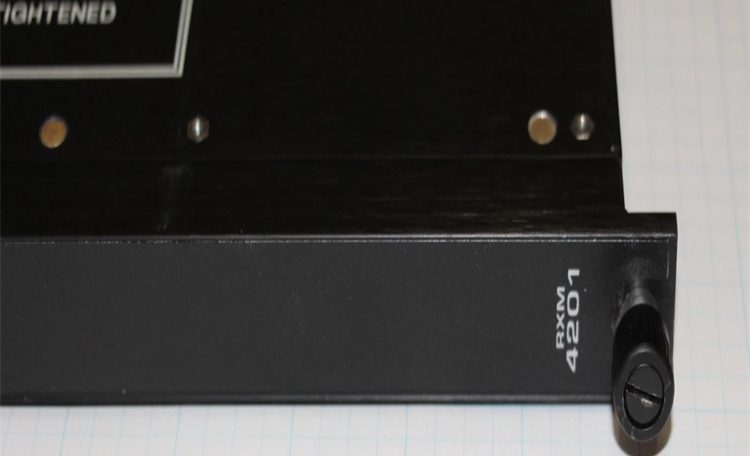
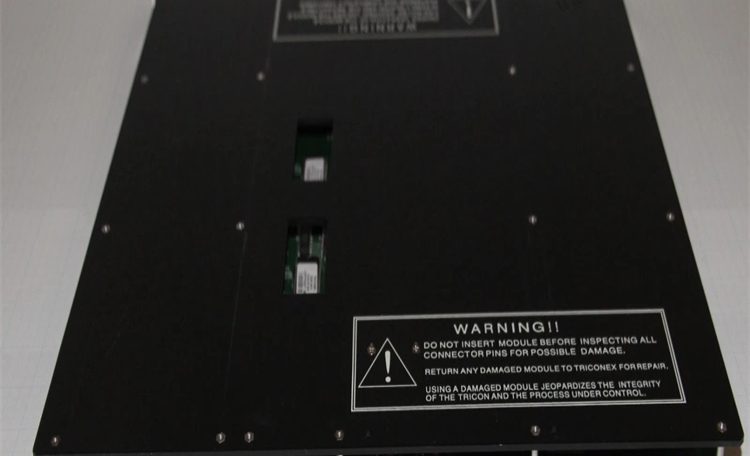
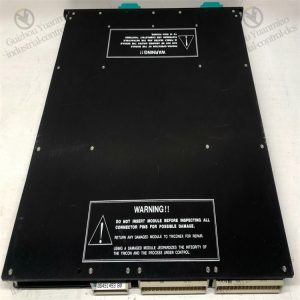
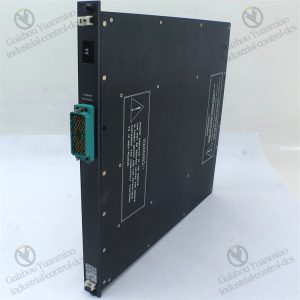
TRICONEX 4201 high-performance remote communication module
The working principle of the TRICONEX 4201 module is based on the Triple Module Redundancy (TMR) architecture and secure communication protocols, ensuring highly reliable data transmission through distributed processing and majority voting mechanisms. The following is a detailed description of its core workflow:
1. Signal Acquisition and Transmission
- Differential Input Technology: The module receives analog signals (such as 0-5V or -5~+5V voltage signals from temperature, pressure, and flow transmitters) from field sensors through 32 differential input channels. Differential input transmits signals via two signal lines, effectively suppressing common-mode interference (e.g., electromagnetic noise) and improving signal quality.
- Signal Conditioning: Input signals first pass through filtering and amplification circuits to remove high-frequency noise and enhance signal strength, ensuring the accuracy of subsequent conversion.
2. Analog-to-Digital Conversion (ADC)
- High-Precision Conversion: Equipped with a 12-bit or 14-bit programmable resolution ADC converter, which can be configured by users according to accuracy requirements. The ADC samples analog signals at a configurable sampling rate (e.g., 10ms), converting continuous analog values into discrete digital codes.
- Redundant Conversion: Each analog signal is simultaneously processed by three independent ADC converters (TMR architecture) to generate three digital signal copies.
3. Triple Module Redundancy (TMR) Processing
- Parallel Processing: The three digital signal copies are respectively transmitted to three independent processors (TMR architecture) for parallel calculation and processing.
- Majority Voting Mechanism: The three processors independently calculate and compare results in real time. If one processor fails, the system automatically selects the consistent results from the other two to ensure output reliability.
- Fault Detection and Isolation: By continuously comparing the outputs of the three processors, the system can detect and isolate single-point faults in real time, ensuring the system continues to operate safely under fault conditions.
4. Secure Communication Protocols
- Redundant Communication Links: Processed digital signals are transmitted to the main controller through dual-redundant communication links (such as fiber optics or Ethernet), ensuring normal data transmission even in case of communication interruptions.
- Time Synchronization Mechanism: The module and the main controller use precise time synchronization protocols (such as IEEE 1588) to ensure the timing consistency of data transmission and avoid data conflicts.
5. Self-Diagnosis and Fault Handling
- Online Monitoring: The module continuously monitors its own circuit and processor status, detecting issues such as ADC failures, communication interruptions, or power anomalies.
- Fault Reporting: Upon detecting a fault, the module immediately sends an alarm signal to the system, marks the affected channels, and maintains normal operation of other channels.
6. Collaboration with the Main Controller
- Data Fusion: The main controller receives data from multiple 4201 modules and performs majority voting again through the TMR architecture to ensure the reliability of final control decisions.
- Execution of Safety Logic: The main controller analyzes the collected data according to preset logic (such as safety interlock strategies) and triggers corresponding control actions (such as valve adjustment or equipment shutdown).
Schematic Diagram of Working Principle
plaintext
Field sensor → Differential input channel → Signal conditioning → Triple ADC conversion →
Parallel processing by TMR processors → Majority voting → Redundant communication link → Main controller →
Execution of safety logic → Control output
Core Advantages
- High Reliability: The TMR architecture and redundant communication ensure that single-point failures do not affect system operation, suitable for SIL 4-level safety applications.
- Anti-Interference Capability: Differential input and fiber-optic communication effectively resist electromagnetic interference in industrial environments.
- Real-Time Performance: High-speed sampling rates and time synchronization mechanisms ensure data real-time performance, meeting the safety requirements of fast response.
Typical Application Scenarios
- Oil and Gas: Used in fire alarm systems, pipeline leakage detection systems, etc., to monitor and ensure the safety of oil and gas production and transportation processes.
- Chemical Industry: Applied to process safety monitoring and control to ensure that various parameters in the chemical production process are within safe ranges, safeguarding the safety and stability of production.
- Power Industry: Suitable for power plant control systems, substation control systems, etc., to monitor the operating status of equipment in the power system and ensure stable power supply.
- Nuclear Industry: Can be applied to the safety systems of nuclear power plants to monitor key equipment and parameters of nuclear power plants, ensuring their safe operation.
- Transportation: Also used in railway control systems, air traffic control systems, etc., to support the safe and efficient operation of transportation.
Reviews
There are no reviews yet.