


Description
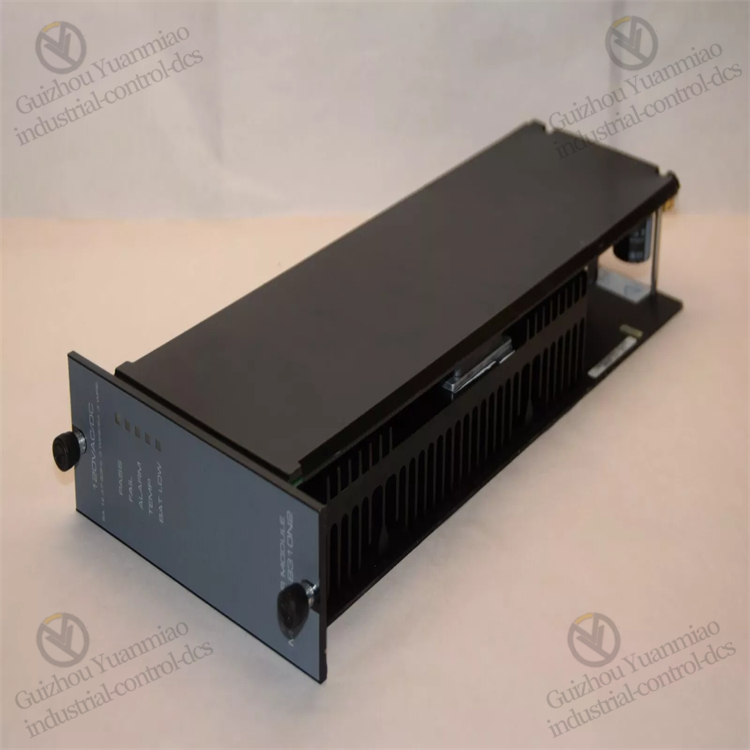
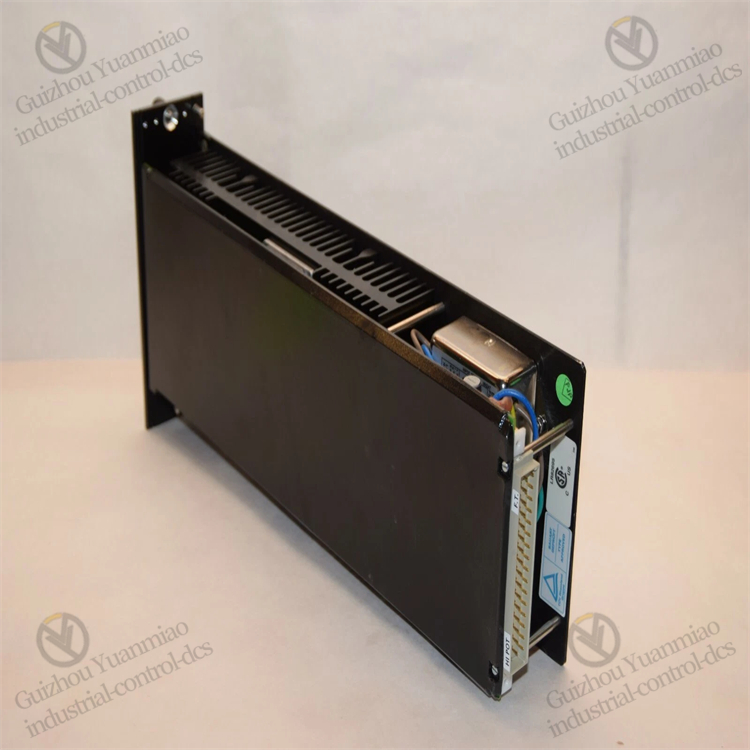
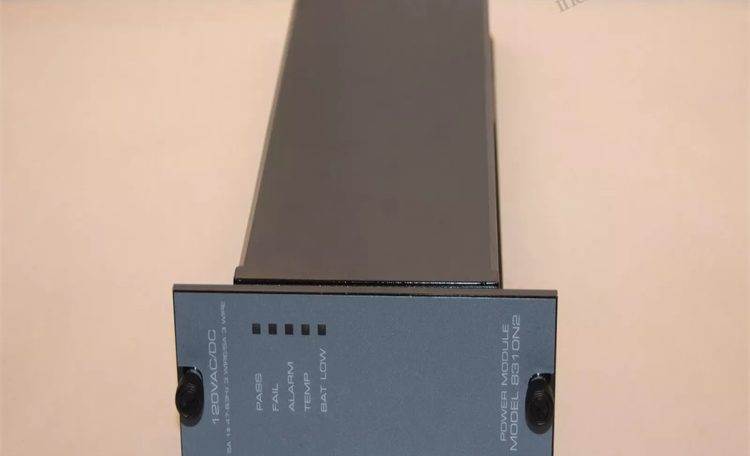
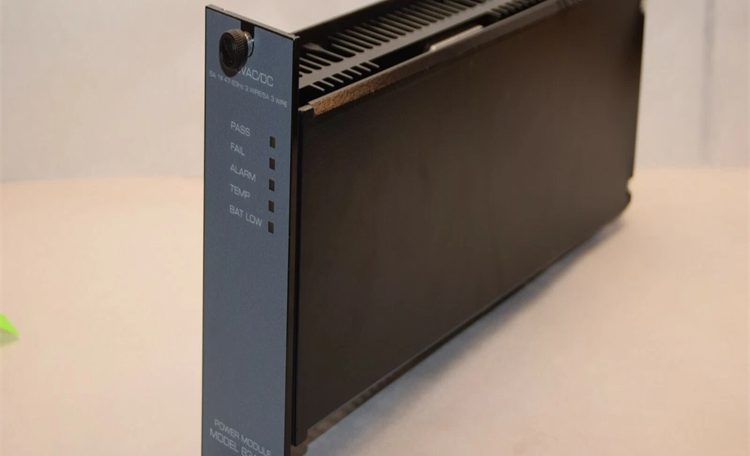
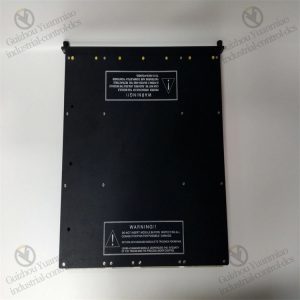
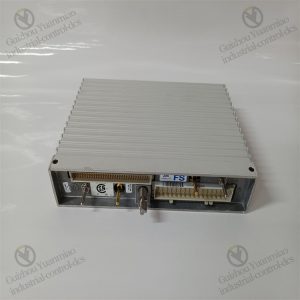
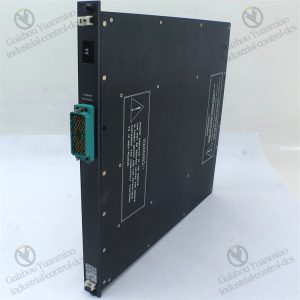
TRICONEX 8310N2 Triple Redundancy Module
In-Depth Analysis of Triple Module Redundancy (TMR) Technology for TRICONEX 8310N2
I. Core Positioning and Architectural Design of TMR Technology
As a key module of the Industrial Safety Instrumented System (SIS), the TRICONEX 8310N2’s Triple Module Redundancy (TMR) technology is a hardware redundancy solution based on the “2 out of 3 voting” mechanism. This technology processes data in parallel through three physically independent channels (Channels A, B, and C) and compares results in real time, fundamentally eliminating single-point failure risks while meeting the SIL 3 safety integrity level (compliant with IEC 61508/61511 standards).
II. Core Working Principles of TMR Technology
-
Independent Operation Mechanism of Triple Channels
- Hardware Isolation: The 8310N2 integrates three completely independent communication processing units, including processors, memory, communication interfaces, and power modules. Each channel is physically isolated to prevent electrical interference or fault propagation.
- Parallel Data Processing: External input signals (such as communication data and control commands) are simultaneously transmitted to the three channels, which independently perform protocol parsing, data calculation, and logical processing.
-
2-out-of-3 Voting and Fault Tolerance Logic
- Real-time Voting Mechanism: The processing results of the three channels are compared in real time via the internal high-speed bus (e.g., TriBus), and the final result is output based on the “2 out of 3” principle. If one channel’s data differs from the other two, the channel is determined to be faulty, and the system automatically blocks the faulty channel while the remaining two channels continue to operate.
- Fault Isolation and Alarm: When a single channel experiences hardware failures (such as chip anomalies or communication link interruptions) or data errors, the TMR mechanism immediately isolates the faulty channel, triggers alarms via LED indicators and system logs, and maintains normal system operation.
-
Hot Redundancy and Dynamic Reconfiguration Capability
- Hot-swapping Support: Faulty channels can be replaced while the system is running. New modules automatically synchronize data and join the redundancy voting after insertion, eliminating the need for shutdown and ensuring continuous industrial production.
- Dynamic Reconfiguration Algorithm: The system monitors the status of each channel in real time. When a channel fails, it automatically adjusts the voting logic (e.g., dual-machine hot standby mode) until the fault is repaired and triple redundancy is restored.
III. Technical Advantages of TMR Technology in 8310N2
-
High Reliability and Safety Indicators
- Fault Coverage Rate: The TMR technology achieves a self-diagnosis coverage rate of over 99% for hardware faults, effectively detecting issues such as communication chip failures, power anomalies, and signal interference.
- Safety Failure Fraction (SFF): Through triple redundancy design, the 8310N2’s SFF exceeds 99%, meeting SIL 3 safety level requirements and suitable for extremely safety-critical scenarios such as nuclear power and petrochemicals.
-
Anti-Interference and Industrial Environmental Adaptability
- Electrical Isolation Design: Electrical isolation (such as optocoupler isolation and magnetic isolation) is applied between channels and external interfaces to prevent external electromagnetic interference (EMI) or ground loops from affecting data transmission, ensuring stable operation in complex industrial environments.
- Wide Temperature and Vibration Resistance: Combined with the TMR architecture, the 8310N2 maintains data consistency in the temperature range of -40°C to 85°C and in strong vibration scenarios, avoiding single-point failures caused by environmental factors.
-
Communication Real-time Performance and Efficiency Optimization
- High-speed Voting Mechanism: The internal dedicated hardware logic circuit implements 2-out-of-3 voting, with data processing delay ≤1ms, meeting industrial real-time communication requirements (such as safety interlock signal transmission).
- Bandwidth Redundancy Utilization: Triple channels can process multiple communication protocols (such as Modbus and EtherNet/IP) in parallel. When a single channel fails, the remaining channels can still maintain full-bandwidth data transmission to avoid communication congestion.
IV. Typical Application Scenarios of TMR Technology
-
Petrochemical Safety Interlock Systems
- In reactor temperature/pressure monitoring, the 8310N2 uses TMR technology to receive data from three independent sensors. After 2-out-of-3 voting, it triggers safety interlocks (such as emergency pressure relief) to prevent misoperation or missed operation caused by single sensor or communication link failures.
-
Nuclear Power Instrumentation and Control (I&C) Systems
- Used for safety-level communication in nuclear reactors, connecting sensors and actuators (such as control rod drive systems). TMR technology ensures reliable transmission of shutdown commands in radioactive environments or during equipment failures, meeting nuclear safety regulatory requirements.
-
Key Equipment Monitoring in Smart Factories
- In high-speed production lines, the 8310N2 uses TMR technology to transmit real-time equipment operation status data (such as motor speed and robotic arm position). When a communication channel is affected by electromagnetic interference, the system automatically switches to a redundant channel to prevent production line shutdown due to data interruption.
V. Comparison of TMR Technology with Other Redundancy Solutions
| Redundancy Type | TMR (Triple Module Redundancy) | Dual-Machine Hot Standby (1+1 Redundancy) | Non-Redundancy Design |
|---|---|---|---|
| Hardware Architecture | Triple independent channels with 2-out-of-3 voting | Dual-machine master-slave with fault switching | Single channel without redundancy |
| Fault Tolerance | Supports 1-channel fault tolerance without affecting functionality | Supports 1-machine fault with brief interruption during switching | Single-point failure leads to system failure |
| Safety Level | SIL 3 | Up to SIL 2 | No safety level certification |
| Application Scenarios | High-risk industries (nuclear power, petrochemicals) | Medium-low risk scenarios (conventional automation) | Non-safety-critical scenarios |
VI. Implementation Details of TMR Technology in 8310N2
-
Hardware Level
- Adopts three-layer PCB independent wiring, separate power modules for each channel, and independent watchdog timers to prevent failures caused by software runaway.
- Communication interfaces (such as Ethernet ports and serial ports) all support triple redundant connections, allowing external devices to communicate with three channels simultaneously to ensure data synchronization.
-
Software Level
- Embedded TMR management firmware monitors the status of each channel in real time, executing fault detection, voting logic, and channel reconfiguration algorithms.
- Supports configuring voting strategies (such as strict 2-out-of-3 and fault tolerance priority) through TriStation software, with visual display of each channel’s health status.
VII. Conclusion: Core Value of TMR Technology for Industrial Safety
The TMR technology of TRICONEX 8310N2 reduces the probability of single-point failures to an extremely low level through the triple guarantee of “physical isolation + parallel processing + real-time voting,” achieving “Fail-Safe” design at the hardware level. This technology is not only the core foundation of industrial safety systems but also a key support for data reliability and system continuity in complex industrial environments. It is particularly suitable for critical scenarios where “failure equals danger,” providing underlying technical support for secure communication in smart manufacturing and Industry 4.0.
Reviews
There are no reviews yet.