

Description
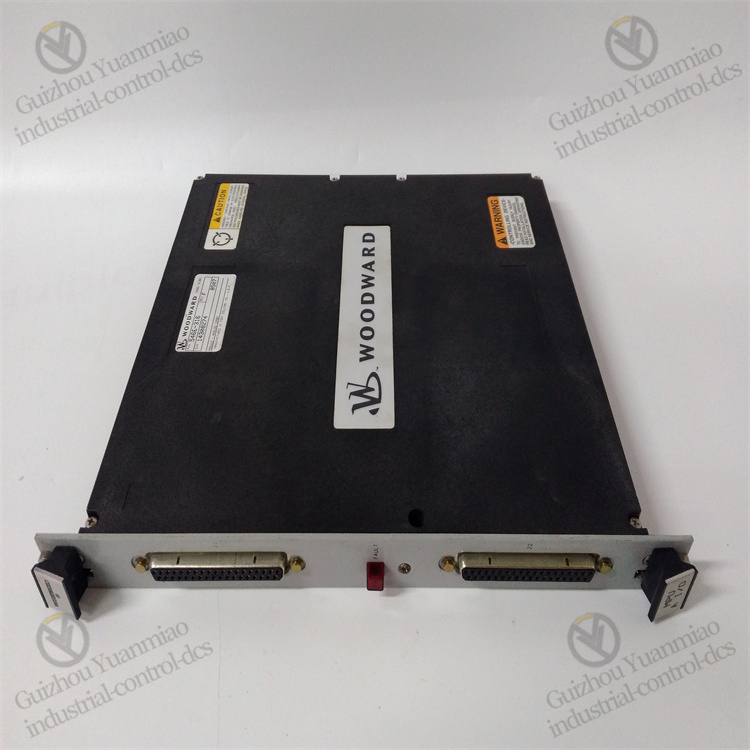
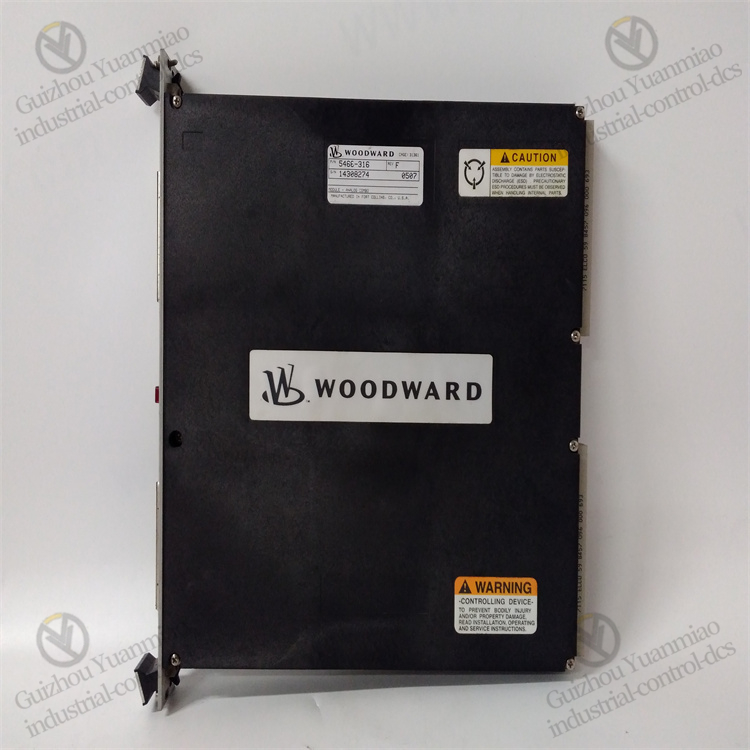
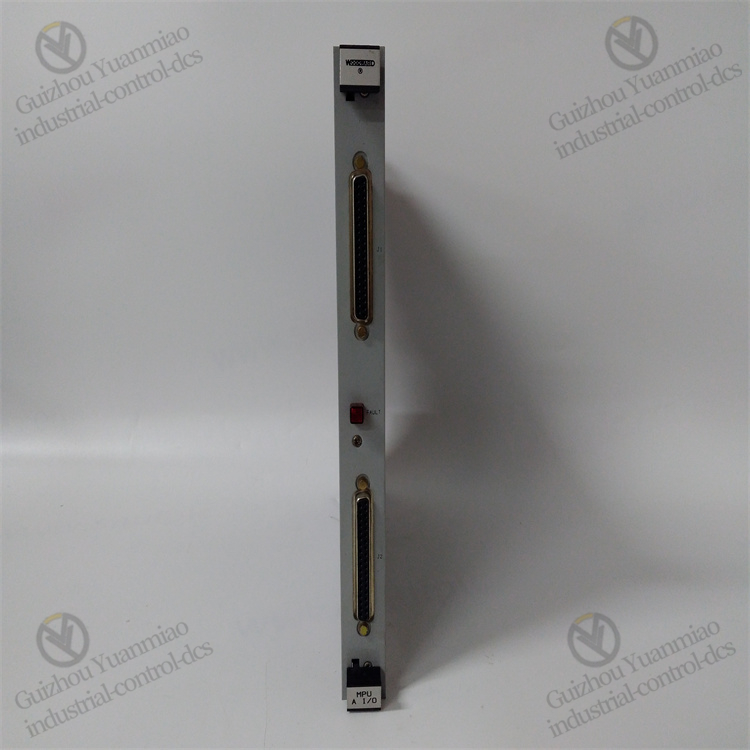
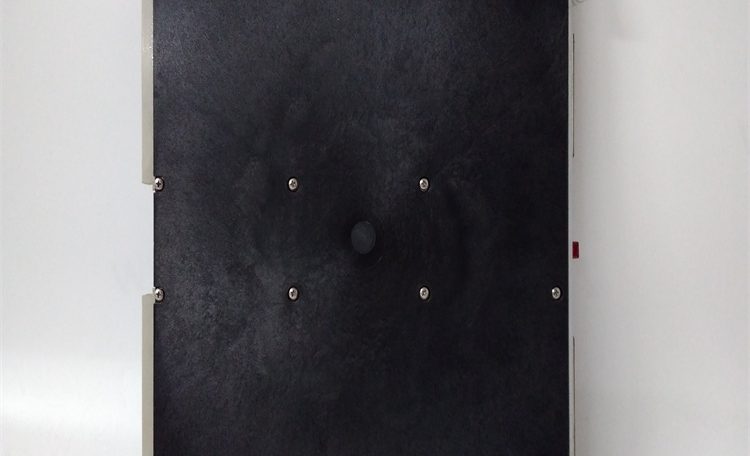
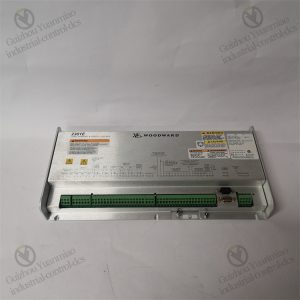
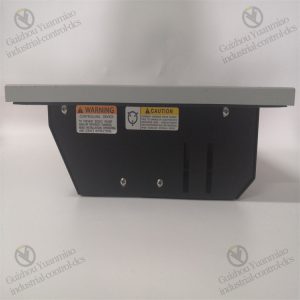
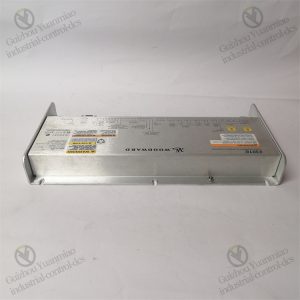
Woodward 5466-316 Multi-Function I/O Module
Basic Information
- Series: Part of Woodward governor MPU and I/O module series, belonging to the 5400 series.
- Input Voltage: 24VDC.
- Current Range: 2A.
- Operating Temperature Range: -40°C to 85°C.
- Storage Temperature Range: -55°C to 90°C.
- Dimensions: 22.2mm x 10.0mm x 5.0mm.
- Material: Nickel-plated brass.
- Protection Level: IP67.
The working principle is as follows:
Signal Acquisition Principle
Analog Signal Acquisition
The module has 8 analog input channels, which can receive standard analog signals such as 4-20mA or 0-5V. These signals typically come from various sensors (e.g., temperature sensors, pressure sensors, flow sensors) for detecting physical quantities in industrial processes. The module conditions the received analog signals through amplification, filtering, and other processing to improve signal quality, and then converts them into digital signals via an analog-to-digital (A/D) conversion circuit for processing by the internal microprocessor.
Speed Signal Acquisition
It is equipped with 4 speed input channels, which can connect to magnetoelectric speed sensors or proximity probes. After the speed signal generated by the sensor is input into the module, the module performs filtering processing. The filtering time constant can be selected as 8 ms or 16 ms through application software to remove interference noise from the signal. The module then analyzes and calculates the processed speed signal to obtain the actual rotational speed value, which is provided to the application for speed control and related operations.
Signal Output Principle
Analog Signal Output
The module has 4 analog output channels, which can output analog signals within the range of 4-20mA or other specified ranges to control various actuators (e.g., regulating valves, frequency converters). The internal microprocessor calculates the required control quantity according to the control algorithm, converts the digital signal into an analog signal via a digital-to-analog (D/A) conversion circuit, and outputs it to the actuator after signal amplification and other processing, thus achieving precise control of industrial processes.
Proportional Actuator Output
Two proportional actuator output channels are used to drive proportional actuators. The module outputs corresponding signals to control the actions of proportional actuators (e.g., controlling the opening degree of actuators) according to control requirements to meet specific control needs. The output signal form can be set as 4-20mA, 20-160mA, etc., through configuration.
Data Processing and Communication Principle
The internal microprocessor of the module processes and analyzes various collected signals, calculates corresponding control instructions according to preset control algorithms and logic, and realizes monitoring and control of industrial processes. Meanwhile, it supports multiple communication protocols (e.g., Modbus, Profibus), enabling it to transmit collected data, working status, and other information to the host computer or other monitoring systems through communication interfaces, and receive control instructions and parameter settings from the host computer to achieve functions such as remote monitoring and flexible configuration.
Channel Configuration
- Analog Input Channels: 8 channels, used to connect various analog sensors for collecting analog signals (e.g., temperature, pressure, flow).
- Analog Output Channels: 4 channels, capable of outputting processed analog signals to control actuators (e.g., regulating valves).
- Speed Input Channels: 2 channels, receiving speed-related signals (e.g., for measuring rotational speed of rotating equipment).
Product Features
- High Precision: Adopts advanced signal processing technology to ensure accurate conversion and transmission of analog signals, guaranteeing data accuracy and reliability as the basis for precise control.
- High Reliability: Industrial-grade design adapts to harsh industrial environments, operating stably under high/low temperatures and high humidity, reducing failure probability caused by environmental factors.
- High Channel Count: Supports multiple signal types with rich I/O channel configurations, suitable for complex industrial control scenarios and meeting connection needs of various sensors and actuators.
- Strong Configurability: Users can configure module functions via related software (e.g., setting input/output signal ranges, filter parameters) based on actual needs.
- Good Flexibility: Supports multiple expansion modules, enabling customization for diverse project requirements with strong expandability and adaptability.
Main Functions
Primarily converts analog signals to digital signals (or vice versa) and transmits them to PLC/DCS systems for processing. By connecting various sensors and actuators, it achieves precise measurement and control of process variables, ensuring stable operation and precise regulation of industrial production processes.
Application Fields
- Industrial Automation: Applied in manufacturing, process control, factory automation, etc., for signal acquisition and control of production line equipment.
- Energy Industry: Widely used in power systems, oil & gas, power plants, etc., for monitoring and controlling operating parameters of power generation equipment.
- Turbine Control Systems: Suitable for steam turbine, gas turbine, and hydroturbine control, enabling precise control and monitoring of turbine speed, power, temperature, etc.
- Other Fields: Also used in building automation, water treatment, food & beverage industry, etc., meeting signal acquisition and control needs across different industries.
Reviews
There are no reviews yet.