

Description
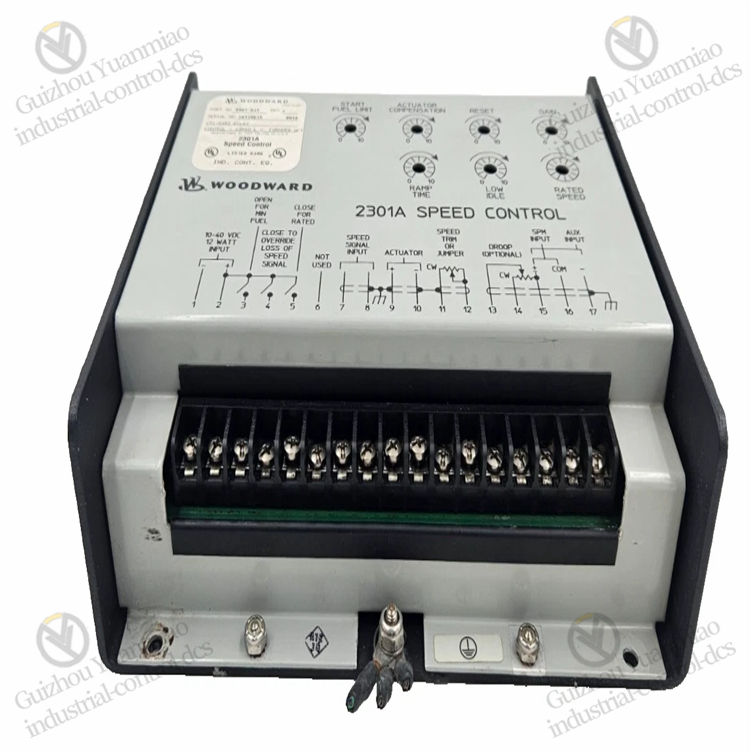
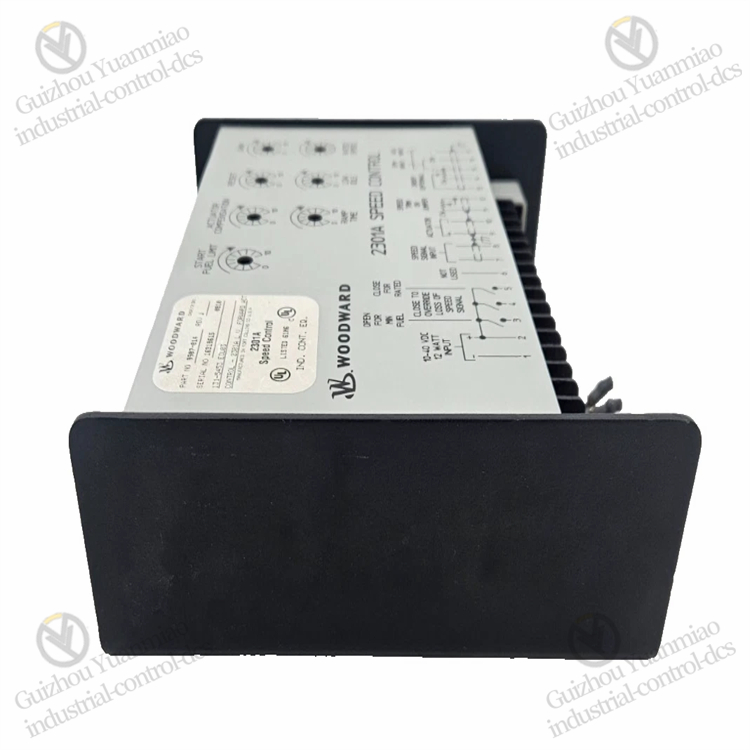
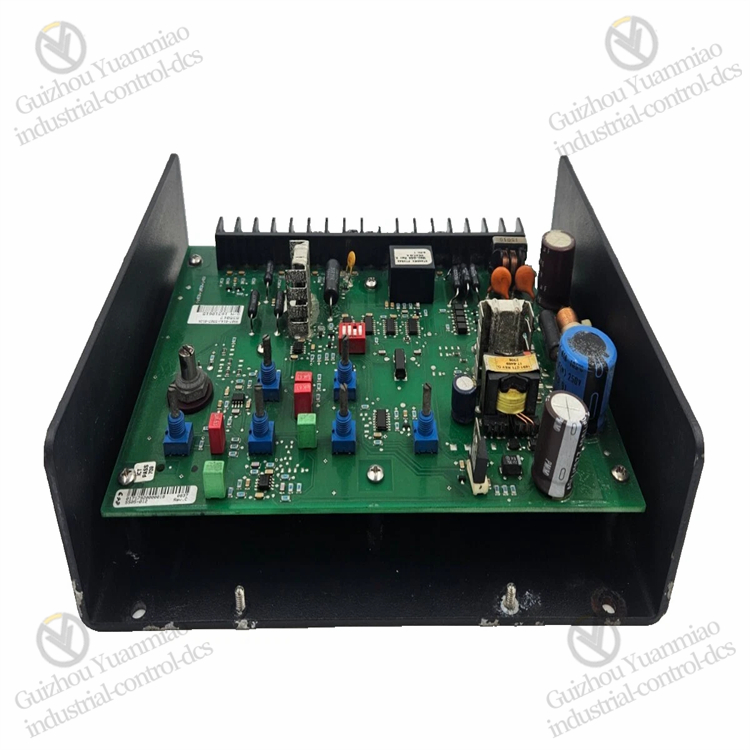
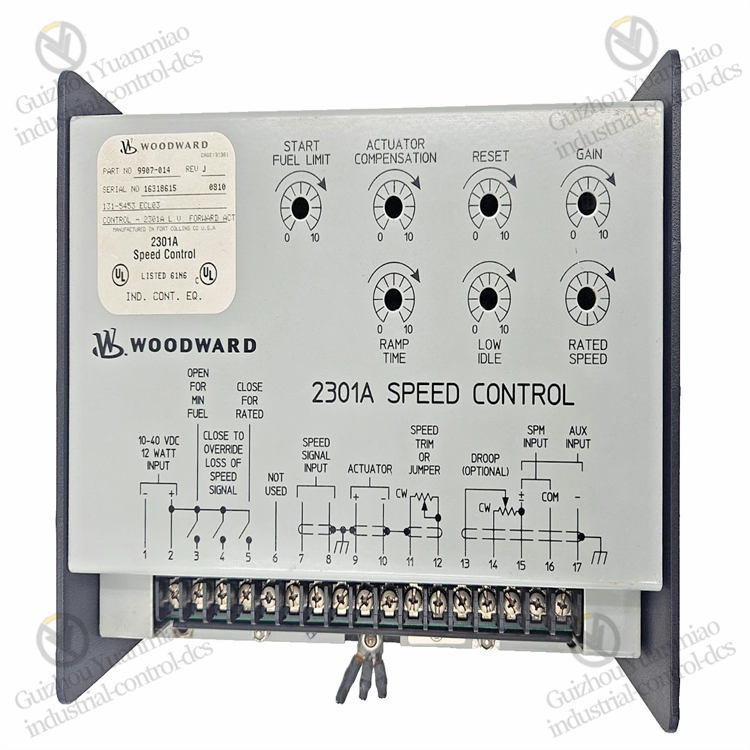
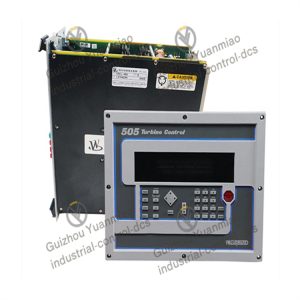
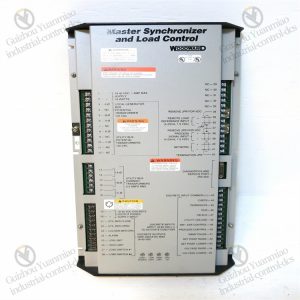
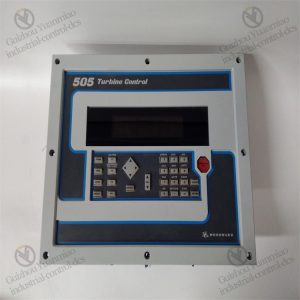
Woodward 9907-014 Full Permission Speed Control Module
Functional characteristics
Precise speed control: By connecting to a speed sensor, it receives speed signals from the engine or turbine, compares them with the set reference speed, and uses advanced control algorithms to calculate the adjustment amount, precisely regulating the equipment’s rotational speed to maintain it within the required range, ensuring the efficient and safe operation of the equipment.
Compatibility with multiple speed sensors: It can be connected to various types of speed sensors such as optical sensors and magnetic sensors, and can be flexibly selected according to the type of turbine and environmental conditions to adapt to different application scenarios.
Rich communication interfaces: Supports communication protocols such as TCP/IP, OPC, and Modbus, enabling data exchange with the central control system to achieve remote monitoring, diagnosis, and control adjustment. This facilitates users’ remote operation and management, and also facilitates interaction with other systems such as factory DCS and HMI.
Fast control cycle: Critical control cycles can be processed within 5 milliseconds, enabling rapid response to speed changes and timely adjustments to ensure the timeliness and effectiveness of control.
The unique rate group structure: By adopting a unique rate group structure, it ensures that the control functions operate deterministically according to the rate group defined by the application engineer, preventing the addition of new code to change the system dynamics, and making the control deterministic and predictable.
Flexible input and output: For critical control signals, synchronous input and output (I/O) can be used. Distributed I/O can be applied to other less critical parameters, allowing for flexible configuration of input and output to meet different control requirements.
Digital control technology: By adopting digital control technology, it offers flexible control logic and parameter configuration capabilities. Users can view and adjust system variables through the service interface, facilitating personalized Settings and maintenance.
It has protection functions: It is equipped with multiple protection functions such as overload protection, overvoltage protection and overspeed protection, which can take protective measures in time when the equipment operates abnormally to ensure the safe operation of the equipment.
Data recording and analysis: It usually has the functions of data recording and analysis, which can record the operation data of the equipment, helping users analyze the operation status of the equipment and optimize the operation and maintenance strategies.
Application field
In the field of power generation: It can be used for speed control of steam turbines in thermal power plants to ensure that the turbines operate at a stable speed, thereby improving power generation efficiency and power quality. It is also applicable to gas turbines in gas-fired power plants, capable of quickly adjusting the turbine speed according to load changes to maintain the stability of the power generation system. In addition, in diesel generator sets, this module can precisely control the speed of the diesel engine, ensuring stable power generation under different loads. It is often used in backup power systems in places with high requirements for power supply stability, such as hospitals and data centers.
In the field of industrial production: In the oil and gas industry, it can be used to control the speed of gas engines or steam turbines that drive compressors, pumps and other equipment, ensuring that the equipment operates at the speed required by the process and guaranteeing the stability of the production process. Some industrial production lines that require high-precision speed control, such as those in the papermaking and textile industries, can utilize this module to control the rotating equipment driven by motors, ensuring the consistency of product quality.
In the field of transportation: In the power system of ships, the speed of ship engines can be controlled. Whether it is a diesel engine or a gas engine, it can maintain the optimal rotational speed under different navigation conditions, improving fuel economy and navigation performance. In the railway field, it can be used for the speed control of railway locomotive engines to ensure the stability and accuracy of train operation speed and enhance the safety and comfort of train operation.
In the aerospace field: It can be used for engine control of aircraft and helicopters, helping to regulate engine speed, meet the power requirements of different flight stages, and ensure the safety and performance of aircraft.
Reviews
There are no reviews yet.