

Description
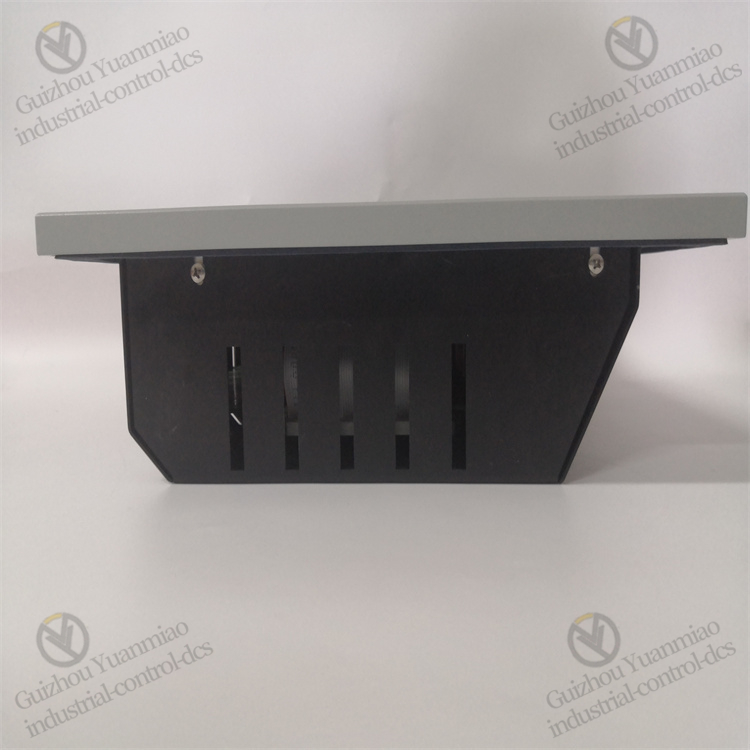
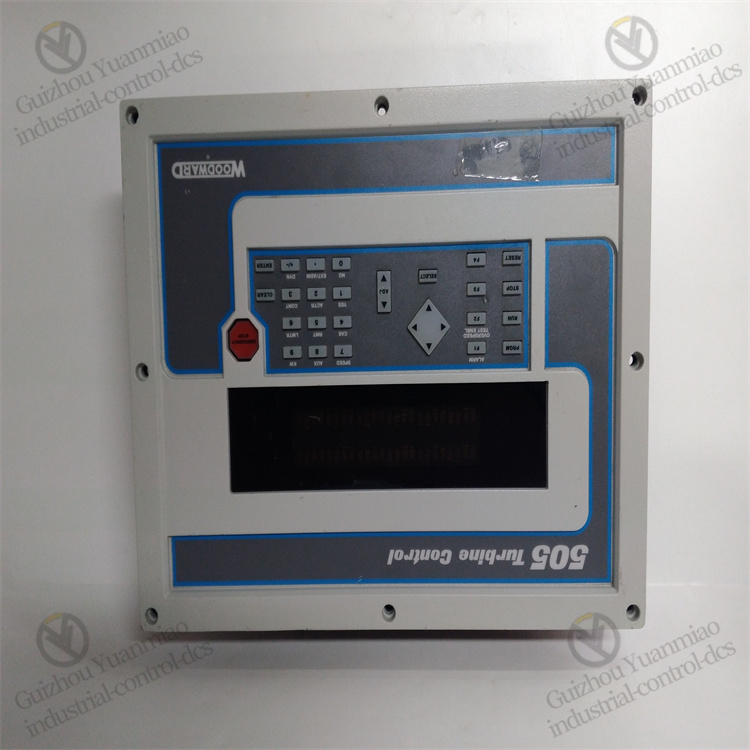
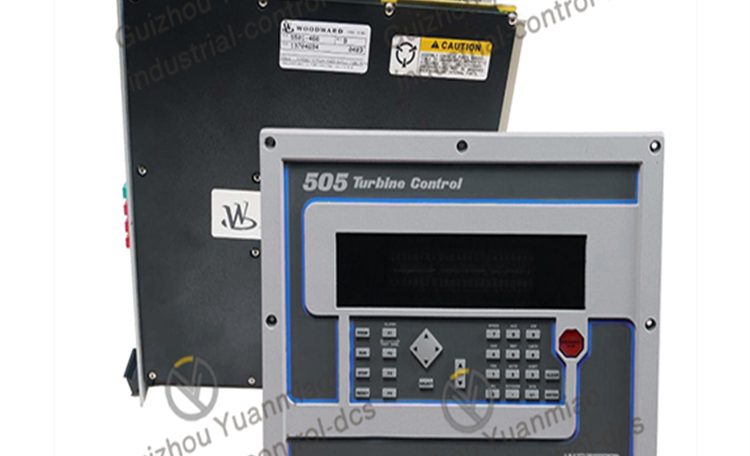
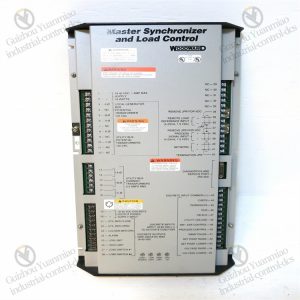
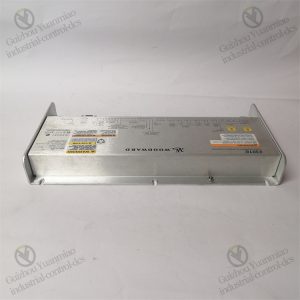
Woodward 9907-996 Analog I/O cable digital microprocessor controller
Advantages and characteristics:
Precise control capability: As a digital microprocessor controller, it adopts advanced control algorithms and can precisely adjust parameters such as the speed and load of the generator set. It can precisely output the corresponding control signals based on the input analog signals, ensuring the stable operation of the generator set in the set state and meeting the requirements of industrial production for the stability and accuracy of power supply.
Flexible signal processing: Equipped with analog I/O functionality, it can be compatible with various types of analog signal input and output, such as the common 4-20mA current signal or 0-10V voltage signal, etc. It can flexibly receive signals from various sensors and send control signals to the actuator, facilitating integration with equipment from different manufacturers and meeting the requirements of multiple industrial control systems.
Strong compatibility: It can be used in conjunction with a series of Woodward devices, such as power automatic transfer devices, input/output controllers, generator load controllers, etc., to achieve more comprehensive system control, enhancing the overall performance and application range of the system.
Reliable stability: The design takes into account the complexity of industrial environments, adopts industrial-grade components and circuit designs, and has excellent anti-interference capabilities. It can operate stably in harsh industrial environments, such as high temperatures, high humidity, and strong electromagnetic interference scenarios, and still maintain reliable working performance.
Fault diagnosis and protection function: The collected data and information can be shared through fieldbus, industrial Ethernet, etc., to achieve the monitoring and detection of the ship’s power system devices. Real-time data can also be imported into the industrial control computer to determine the degree and type of faults, promptly detect system anomalies and take protective measures, reduce the risk of equipment damage, and improve the safety and reliability of the system.
Convenient operation and maintenance: It may be equipped with a friendly human-machine interface, facilitating operators to set parameters, monitor status and perform other operations. Meanwhile, through digital diagnostic functions, it can help maintenance personnel quickly locate fault points, shorten the time for troubleshooting, and reduce maintenance costs.
Application case:
Marine power system monitoring and fault diagnosis: In the Marine power system, it can be combined with Schneider PLC, power system parameter measurement devices, touch screens, industrial control computers, etc. to form a fault diagnosis device. The parameters of the ship’s power system are collected through power parameter measuring instruments, analog instruments and data acquisition instruments. Then, the data is shared through fieldbus and industrial Ethernet to achieve the monitoring and detection of the ship’s power system devices. Finally, the real-time data is imported into the industrial control computer to determine the degree and type of faults, ensuring the stable operation of the ship’s power system.
Industrial generator set control: In industrial fields such as chemical engineering and metallurgy, it can be used to control industrial generator sets. It can precisely adjust the rotational speed and output power of the generator set, adjust the generator output according to the actual load demand, achieve actual kW load control, and ensure efficient power generation. Meanwhile, various sensors and actuators can be connected through the analog I/O interface to monitor the operating status of the generator set in real time, such as voltage, current, power and other parameters, and protective measures can be taken promptly when abnormal situations such as overvoltage and overcurrent occur.
Cogeneration system control: In a cogeneration system, it can be used to control the rotational speed and output power of the steam turbine to meet the demands of power generation and heating. It automatically adjusts the parameters such as the intake and exhaust of the steam turbine by receiving the rotational speed signal of the steam turbine, etc., according to the preset control logic and parameters, ensuring the stable operation of the cogeneration system and achieving efficient energy utilization.
Reviews
There are no reviews yet.