

Description
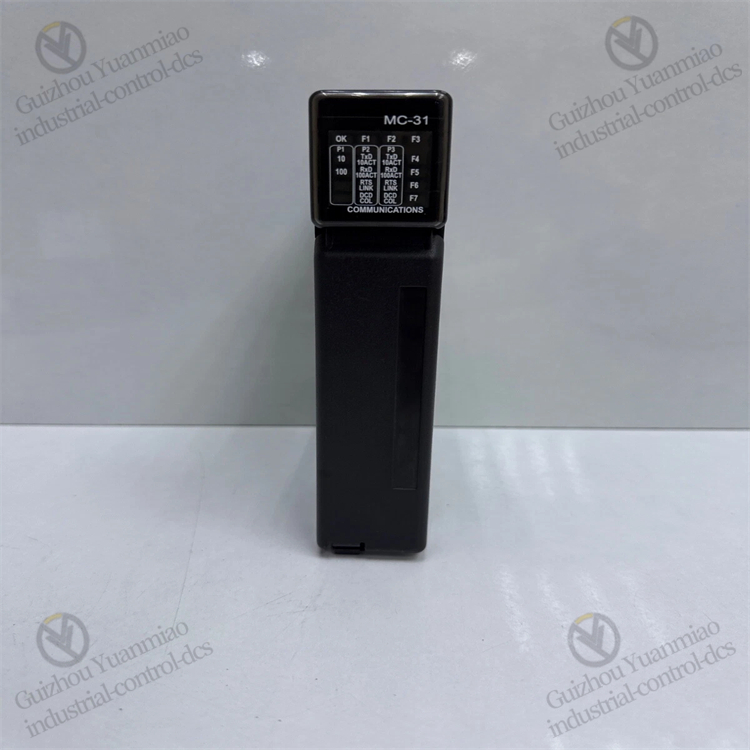
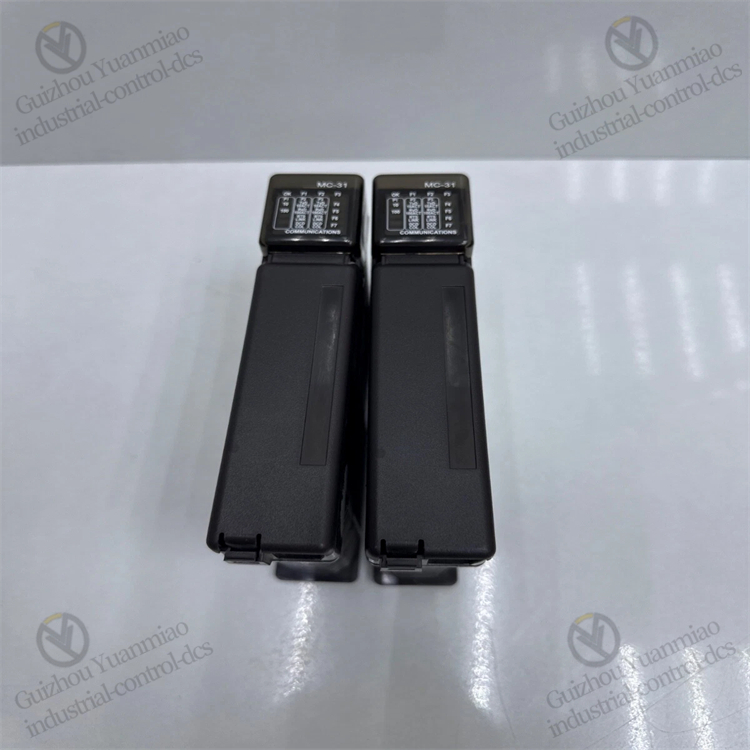
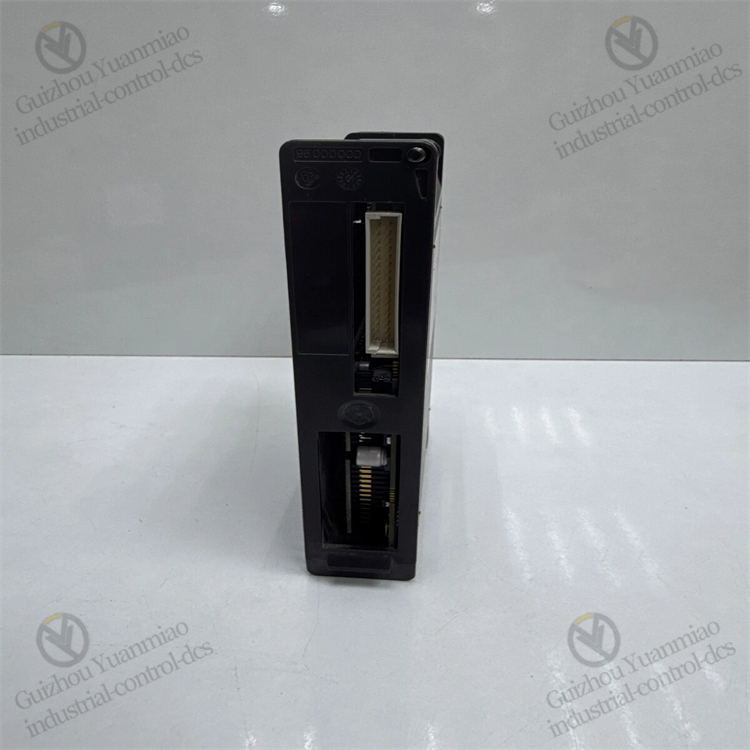
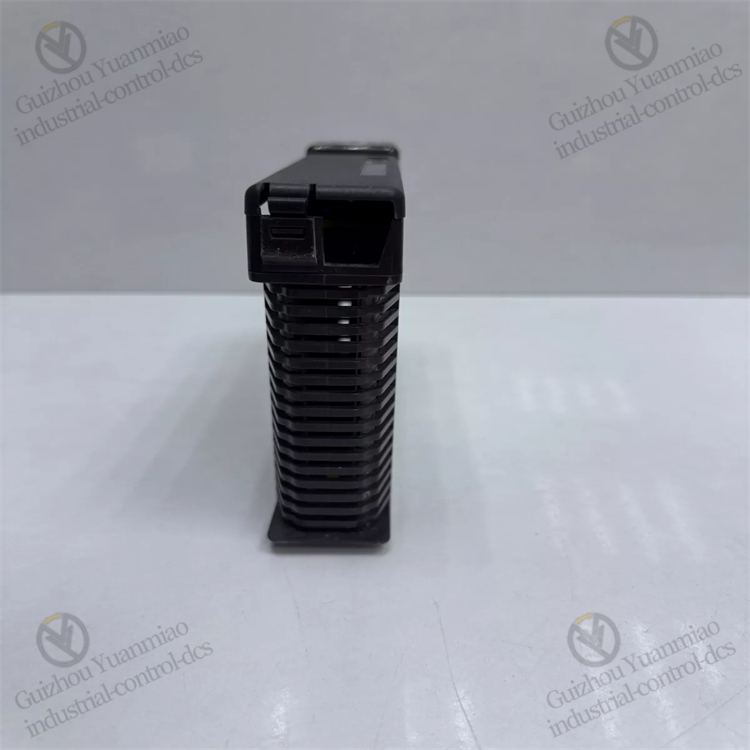
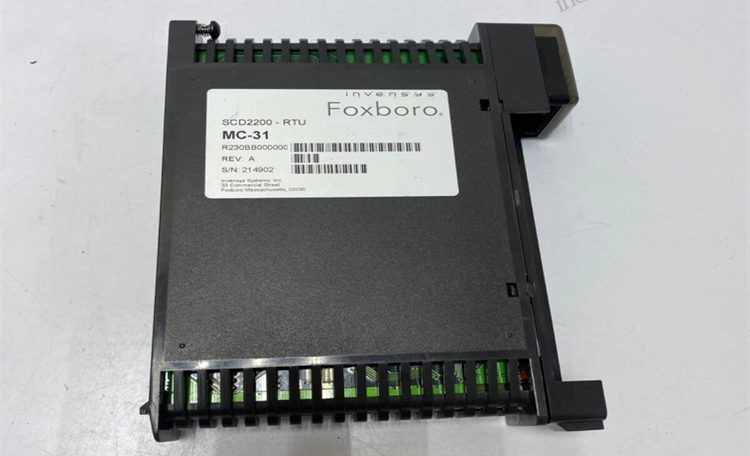
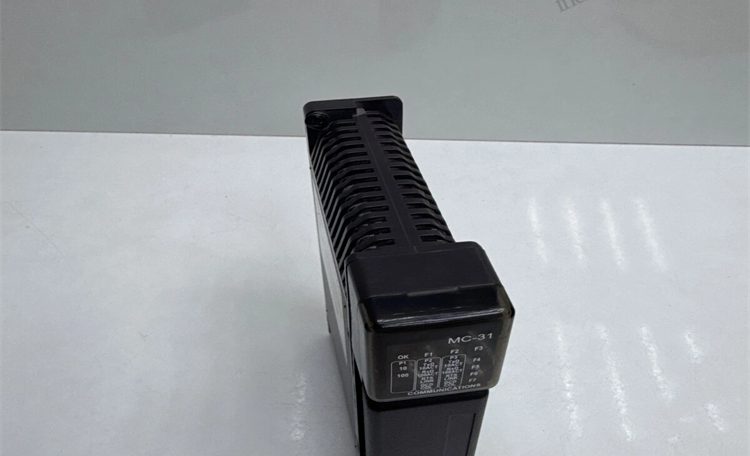
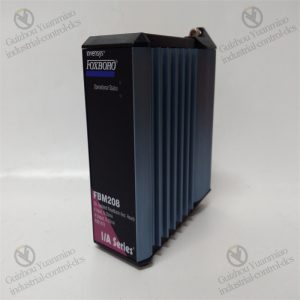
FOXBORO SCD2200 Remote Terminal Unit (RTU) Control Module
FOXBORO SCD2200 is a remote terminal unit (RTU) control module designed specifically for the field of industrial automation. It is mainly used for signal acquisition, local control, and communication with upper-level systems in distributed industrial sites, and is suitable for scenarios requiring remote monitoring and control. The following is a detailed introduction from three aspects: working principle, functional characteristics, and application fields:
I. Working Principle
As the “core of remote nodes” connecting on-site equipment and the central control system, the working process of the SCD2200 remote terminal unit control module revolves around three core links: on-site signal interaction, local data processing, and remote communication:
As the “core of remote nodes” connecting on-site equipment and the central control system, the working process of the SCD2200 remote terminal unit control module revolves around three core links: on-site signal interaction, local data processing, and remote communication:
Signal Acquisition and Output
It receives various signals from the field, including analog quantities (such as 4-20mA signals from temperature and pressure sensors), digital quantities (such as valve switch status, equipment start-stop signals), and pulse quantities (such as pulse signals from flow meters).
According to the instructions of the central control system or local preset logic, it outputs control signals (such as relay output, analog control signals) to directly drive on-site actuators (such as valves, pumps, etc.).
It receives various signals from the field, including analog quantities (such as 4-20mA signals from temperature and pressure sensors), digital quantities (such as valve switch status, equipment start-stop signals), and pulse quantities (such as pulse signals from flow meters).
According to the instructions of the central control system or local preset logic, it outputs control signals (such as relay output, analog control signals) to directly drive on-site actuators (such as valves, pumps, etc.).
Local Data Processing and Logic Control
It has a built-in microprocessor and programmable logic, which can process the collected signals in real-time (such as filtering, range conversion, over-limit judgment) and execute local control logic (such as PID adjustment, interlock protection), reducing dependence on the central system and improving response speed.
It has a built-in microprocessor and programmable logic, which can process the collected signals in real-time (such as filtering, range conversion, over-limit judgment) and execute local control logic (such as PID adjustment, interlock protection), reducing dependence on the central system and improving response speed.
Remote Communication and Data Interaction
It establishes connections with central control systems (such as SCADA, DCS) through industrial communication protocols (such as Modbus, DNP3.0, Ethernet/IP, etc.) to realize data upload (on-site status, collected parameters) and command issuance (remote control commands).
It supports breakpoint resume and data caching functions. When communication with the central system is interrupted, it can temporarily store key data and synchronize it to the central system after the connection is restored, ensuring data integrity.
It establishes connections with central control systems (such as SCADA, DCS) through industrial communication protocols (such as Modbus, DNP3.0, Ethernet/IP, etc.) to realize data upload (on-site status, collected parameters) and command issuance (remote control commands).
It supports breakpoint resume and data caching functions. When communication with the central system is interrupted, it can temporarily store key data and synchronize it to the central system after the connection is restored, ensuring data integrity.
Status Monitoring and Diagnosis
It is equipped with a built-in self-diagnosis module, which can real-time monitor its own hardware status (such as power supply, communication interface) and the operating status of connected equipment (such as sensor disconnection, actuator failure), and feed back abnormalities through alarm signals (local indicator lights or remote messages) for quick troubleshooting.
It is equipped with a built-in self-diagnosis module, which can real-time monitor its own hardware status (such as power supply, communication interface) and the operating status of connected equipment (such as sensor disconnection, actuator failure), and feed back abnormalities through alarm signals (local indicator lights or remote messages) for quick troubleshooting.
II. Functional Characteristics
Strong Environmental Adaptability
Adopting an industrial-grade reinforced design, it supports wide-temperature operation (usually -40°C to +70°C), can withstand harsh industrial environments such as dust, vibration, and electromagnetic interference (EMI), and is suitable for outdoor or remote site deployment.
Strong Environmental Adaptability
Adopting an industrial-grade reinforced design, it supports wide-temperature operation (usually -40°C to +70°C), can withstand harsh industrial environments such as dust, vibration, and electromagnetic interference (EMI), and is suitable for outdoor or remote site deployment.
Flexible Signal Adaptability
It integrates multiple types of I/O interfaces, supporting analog input/output (4-20mA, 1-5V), digital input/output (dry contacts, wet contacts), and pulse input, which can be compatible with various on-site equipment (sensors, transmitters, valves, pumps, etc.).
The number of channels can be configured (such as 16 analog channels + 32 digital channels) to meet the signal acquisition needs of different scenarios.
It integrates multiple types of I/O interfaces, supporting analog input/output (4-20mA, 1-5V), digital input/output (dry contacts, wet contacts), and pulse input, which can be compatible with various on-site equipment (sensors, transmitters, valves, pumps, etc.).
The number of channels can be configured (such as 16 analog channels + 32 digital channels) to meet the signal acquisition needs of different scenarios.
Local Autonomous Control and Redundancy Design
It supports offline independent operation. When communication with the central system is interrupted, it can realize local automatic control (such as equipment start-stop, parameter adjustment) based on preset logic to ensure that key processes are not interrupted.
Optional power redundancy and communication redundancy (such as dual network ports, dual wireless modules) improve system reliability and reduce the risk of single-point failures.
It supports offline independent operation. When communication with the central system is interrupted, it can realize local automatic control (such as equipment start-stop, parameter adjustment) based on preset logic to ensure that key processes are not interrupted.
Optional power redundancy and communication redundancy (such as dual network ports, dual wireless modules) improve system reliability and reduce the risk of single-point failures.
Efficient Communication and Protocol Compatibility
It supports multiple industrial communication protocols, and can be flexibly connected to SCADA, DCS, or cloud platforms to realize remote data transmission and centralized monitoring.
It has data compression and timed reporting functions, reducing communication bandwidth usage, and is suitable for deployment in remote areas (such as wireless 4G/5G, satellite communication).
It supports multiple industrial communication protocols, and can be flexibly connected to SCADA, DCS, or cloud platforms to realize remote data transmission and centralized monitoring.
It has data compression and timed reporting functions, reducing communication bandwidth usage, and is suitable for deployment in remote areas (such as wireless 4G/5G, satellite communication).
Comprehensive Diagnosis and Maintenance Functions
It real-time monitors the module’s power supply, communication status, and channel signal quality, records fault information (such as signal over-limit, communication interruption), generates logs, and supports remote query.
It supports online configuration and firmware upgrade without on-site shutdown, reducing maintenance costs.
It real-time monitors the module’s power supply, communication status, and channel signal quality, records fault information (such as signal over-limit, communication interruption), generates logs, and supports remote query.
It supports online configuration and firmware upgrade without on-site shutdown, reducing maintenance costs.
III. Application Fields
With its remote control capability, environmental adaptability, and reliability, the SCD2200 is widely used in industrial scenarios requiring distributed monitoring and control:
With its remote control capability, environmental adaptability, and reliability, the SCD2200 is widely used in industrial scenarios requiring distributed monitoring and control:
Oil and Gas Fields and Long-Distance Pipelines
In oil and gas extraction sites, it is used to collect parameters such as wellhead pressure, temperature, and flow, control valve opening, pump start-stop, and realize remote monitoring of wellheads;
Along long-distance pipelines, it monitors pipeline pressure and leak detection signals, and quickly closes valves through local logic to reduce leakage risks.
In oil and gas extraction sites, it is used to collect parameters such as wellhead pressure, temperature, and flow, control valve opening, pump start-stop, and realize remote monitoring of wellheads;
Along long-distance pipelines, it monitors pipeline pressure and leak detection signals, and quickly closes valves through local logic to reduce leakage risks.
Municipal and Public Utilities
Urban water supply/drainage systems: remotely monitor water plant water level, pipe network pressure, and pump operation status, automatically adjust water supply pressure to ensure stable water supply for residents;
Urban gas systems: collect gas pipeline pressure and flow, control pressure regulating valves, and realize remote monitoring and safety protection of gas transmission.
Urban water supply/drainage systems: remotely monitor water plant water level, pipe network pressure, and pump operation status, automatically adjust water supply pressure to ensure stable water supply for residents;
Urban gas systems: collect gas pipeline pressure and flow, control pressure regulating valves, and realize remote monitoring and safety protection of gas transmission.
Power Industry
Remote monitoring of substations: collect current, voltage, and equipment status signals of substations, remotely control circuit breaker switching, and reduce manual inspection costs;
New energy power stations (wind power, photovoltaic): monitor wind turbine speed and photovoltaic panel power generation, control combiner boxes and inverters, and realize remote operation and maintenance of power stations.
Remote monitoring of substations: collect current, voltage, and equipment status signals of substations, remotely control circuit breaker switching, and reduce manual inspection costs;
New energy power stations (wind power, photovoltaic): monitor wind turbine speed and photovoltaic panel power generation, control combiner boxes and inverters, and realize remote operation and maintenance of power stations.
Mining and Metallurgy
In open-pit mines or underground operations, it collects operating parameters (temperature, vibration) of crushers and conveyors, remotely controls equipment start-stop, and ensures production safety;
Distributed workshops in metallurgical plants: monitor the temperature and liquid level of smelting equipment, and realize remote parameter adjustment and interlock protection.
In open-pit mines or underground operations, it collects operating parameters (temperature, vibration) of crushers and conveyors, remotely controls equipment start-stop, and ensures production safety;
Distributed workshops in metallurgical plants: monitor the temperature and liquid level of smelting equipment, and realize remote parameter adjustment and interlock protection.
Environmental Monitoring and Agriculture
Ecological environment monitoring: remotely collect parameters such as water quality (pH, dissolved oxygen) and atmosphere (temperature and humidity, dust concentration), and transmit them to environmental protection platforms for real-time monitoring;
Smart agriculture: monitor farmland soil moisture and greenhouse temperature and humidity, control irrigation equipment and ventilation systems, and realize precision agricultural management.
Ecological environment monitoring: remotely collect parameters such as water quality (pH, dissolved oxygen) and atmosphere (temperature and humidity, dust concentration), and transmit them to environmental protection platforms for real-time monitoring;
Smart agriculture: monitor farmland soil moisture and greenhouse temperature and humidity, control irrigation equipment and ventilation systems, and realize precision agricultural management.
In conclusion, the FOXBORO SCD2200 module, through the integrated design of “remote acquisition – local control – remote communication”, provides an efficient and reliable automation solution for distributed industrial scenarios, especially suitable for industry applications that require reducing manual intervention and covering a wide range.
Reviews
There are no reviews yet.