

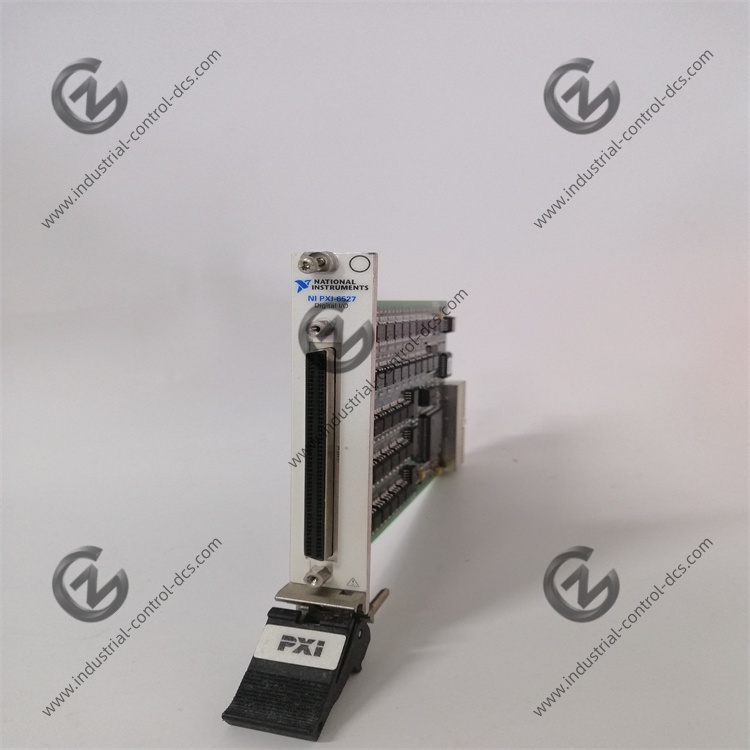
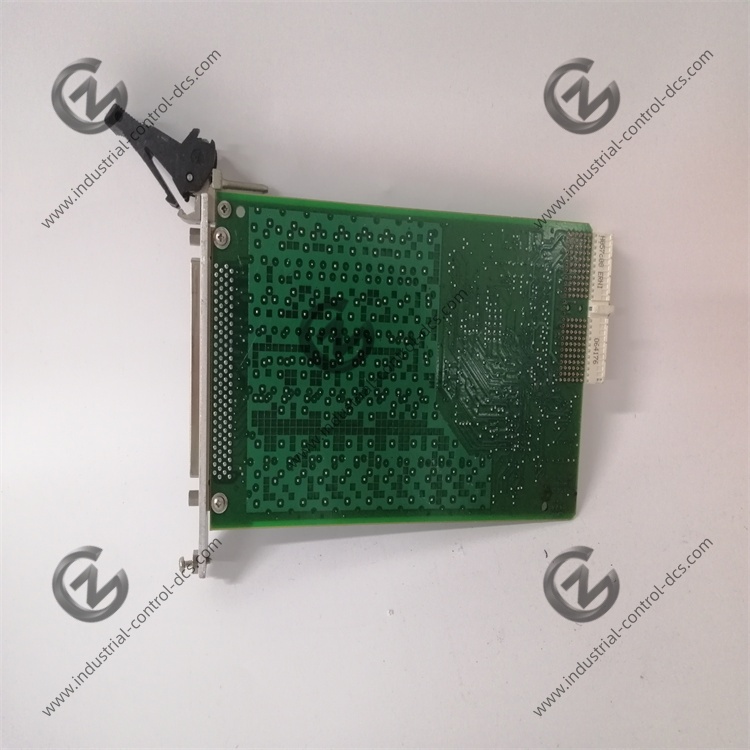
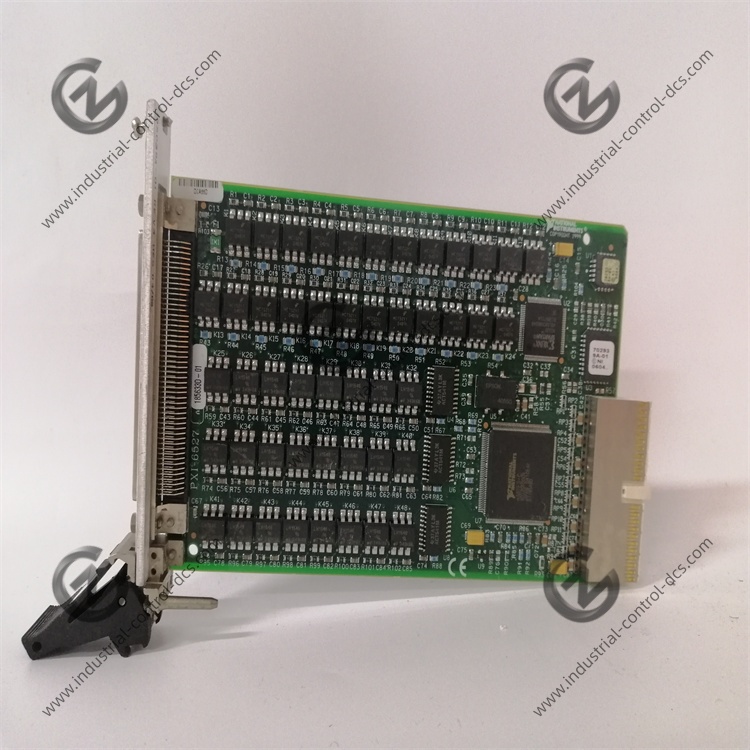
Description
Channel & Physical Interface Configuration
-
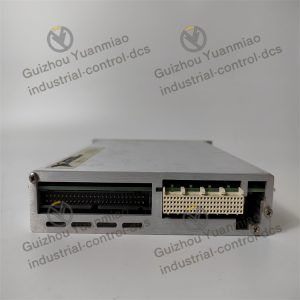
Channel allocation: 24 optically isolated differential digital inputs + 24 isolated solid-state relay outputs, non-bidirectional dedicated I/O division
-
Front panel: Power status LED, PXI bus activity LED, no channel indicator lights
-
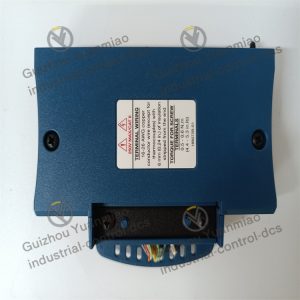
Rear connector: 100-pin female shielded D-Sub connector, matched with SCB-100 terminal block and SH100-100-F shielded cable
-
Slot occupation: Single-width 3U PXI peripheral slot, no additional chassis expansion slots required
-
Internal structure: Independent isolation power banks for input and output circuits to avoid cross-signal interference
Digital Input Electrical Parameters
-
Input logic threshold: Logic Low 0-1 VDC; Logic High 2-28 VDC differential voltage
-
Input operating current: 1.5 mA max @ 5 V input, 8 mA max @ 24 V input
-
Onboard debouncing filter: Software-configurable filter delay ranging from 1 µs to 255 ms for glitch suppression
-
Interrupt function: Edge-triggered change notification for rising/falling/both edges, supports multi-channel combined interrupt triggering
-
Input overvoltage protection: Continuous ±60 VDC channel-to-chassis withstand, transient 1000 V surge protection
Solid-State Relay Output Parameters
-
Output switching rating: Max 60 VDC / 30 Vrms, 120 mA continuous per-channel load current
-
Overcurrent self-limiting: Automatic current clamping at 260 mA typical to prevent circuit burnout
-
Power-up default state: All outputs open-circuited (logic high), user-customizable via NI MAX offline configuration
-
Output leakage current: <10 µA @ 25 VDC off-state, negligible for low-power load control
-
Switching response time: 150 µs typical turn-on delay, 100 µs typical turn-off delay
Isolation & EMC Protection Specifications
-
Channel-to-backplane isolation: 60 VDC continuous isolation, 1000 V 1-minute dielectric withstand
-
Channel-to-channel isolation: 60 VDC independent isolation between every I/O channel
-
ESD protection: ±15 kV human body model for all I/O pins per IEC 61000-4-2
-
Common-mode noise rejection: >85 dB @ 50/60 Hz industrial power frequency
-
Safety compliance: IEC 61010-1 Pollution Degree 2, indoor CAT I safety rating
PXI Bus & Synchronization Resources
-
PXI compliance: PXI Rev.2.2 peripheral module standard, 33 MHz 32-bit PCI parallel bus
-
Trigger resources: Supports PXI local trigger and star trigger for synchronous I/O with DAQ/motion modules
-
Backplane power consumption: 0.42 A @ +5 V rail, 22 mA @ +12 V rail, total typical power 2.3 W
-
Bus transmission mode: Software-timed I/O only, no hardware handshaking or high-speed pattern streaming
Mechanical & Environmental Specifications
-
Dimension: 160 × 100 mm standard 3U PXI module footprint
-
Weight: 195 g bare module weight
-
Operating temperature: 0℃ ~ +55℃; Storage temperature: -40℃ ~ +85℃
-
Humidity: 10%–90% non-condensing operation, 5%–95% non-condensing storage
-
Shock & vibration: 30 g operational half-sine shock, 0.3 grms random vibration
-
EMC certification: CE, FCC Class A industrial electromagnetic compatibility
Compatibility Matching List
-
Compatible chassis: PXI-1031, PXI-1042, PXI-1045 all legacy 3U PXI chassis
-
Compatible controllers: PXI-8186 and all NI embedded/external PXI system controllers
-
Matching accessories: SCB-100 shielded terminal block, SH100-100-F shielded cable, CB-100 breakout kit
-
Official status: Fully obsolete, only aftermarket replacement and third-party repair available
Software Compatibility
-
Drivers: Legacy Traditional NI-DAQ, NI-DAQmx 9.5 and earlier versions, incompatible with latest DAQmx
-
Configuration tools: NI MAX, Digital I/O Interactive Configuration Panel
-
Supported software: LabVIEW 2018 and earlier, LabWindows/CVI, Python PyDAQmx, C#
-
Supported OS: Windows XP/7/10, Phar Lap ETS real-time OS, limited Linux legacy driver support
Pros & Limitations
-
Pros: Full channel-to-channel optical isolation, built-in debounce and interrupt functions to reduce CPU load, solid-state relay long service life, wide input voltage range, excellent industrial noise immunity, independent isolated I/O circuits
-
Limitations: No hardware-timed high-speed I/O, non-bidirectional channels, obsolete driver compatibility, low single-channel load current, cannot drive high-power solenoid loads directly
Reviews
There are no reviews yet.