

Description
Channel & Physical Interface Configuration
-
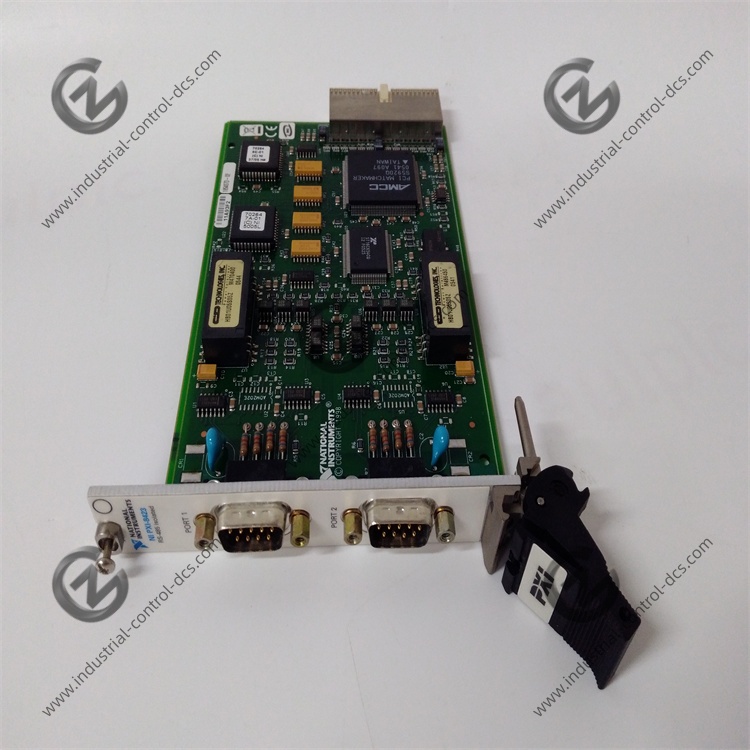
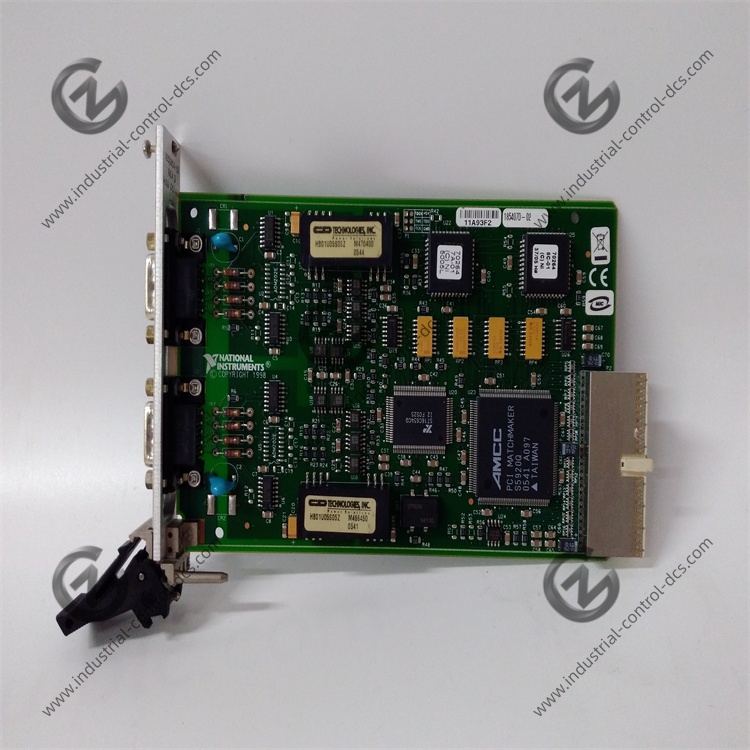
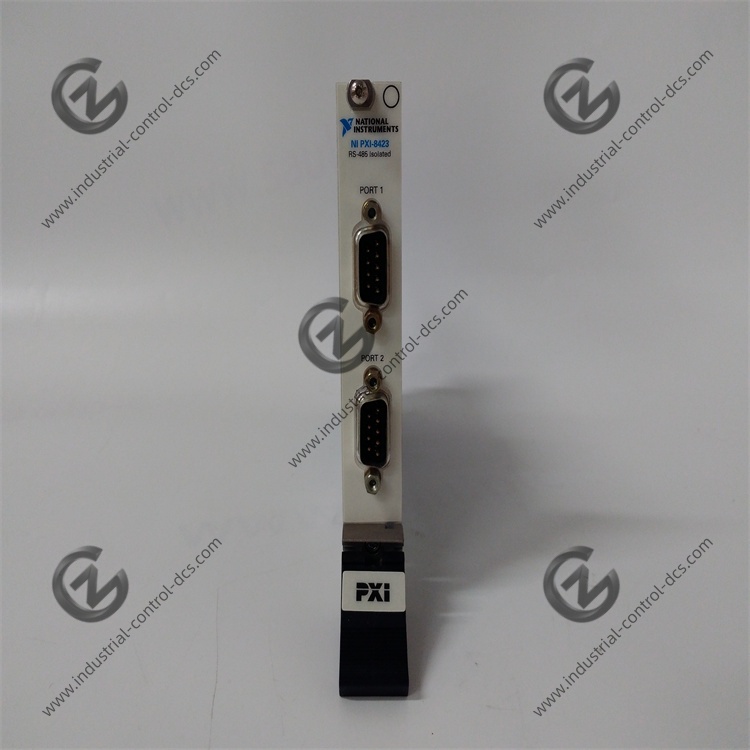
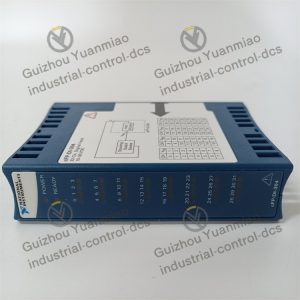
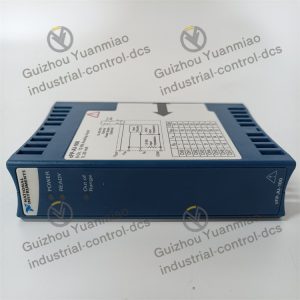
Hardware variants: PXI-8461/1 (1×9-pin D-Sub), PXI-8461/2 (2×9-pin D-Sub), PXI-8461/D (DeviceNet dedicated pin definition)
-
Front panel indicators: Per-port CAN activity LED, bus error LED, PXI power indicator
-
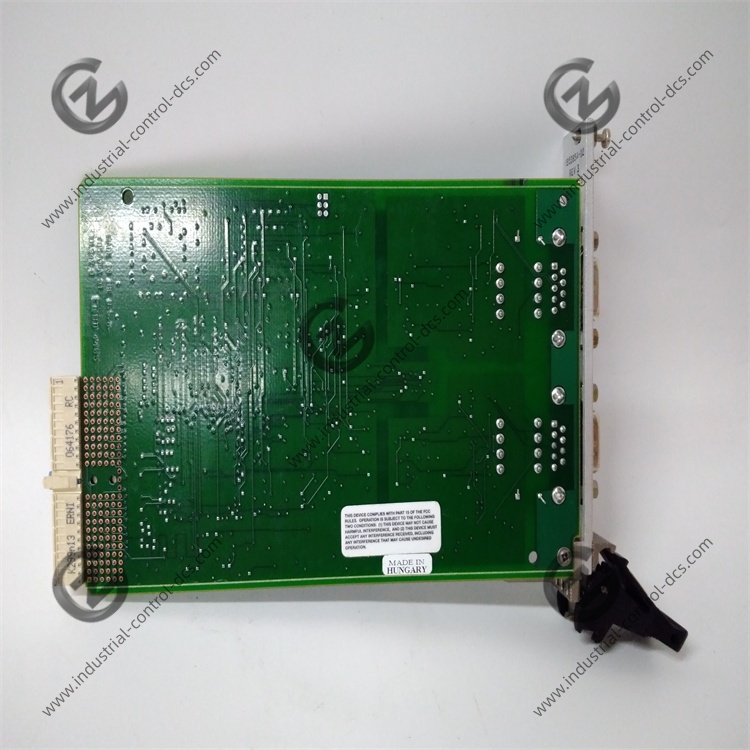
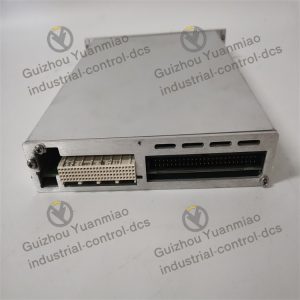
Rear connector: Isolated 9-pin male shielded D-Sub, pinout compatible with CANoe standard cabling
-
Slot occupation: Single-width 3U PXI peripheral slot, no auxiliary chassis slots occupied
-
Onboard auxiliary I/O: 2 mode-configurable digital outputs, 1 bus status digital input for external interlock
Multi-Protocol Bus Electrical Parameters
-
High-Speed CAN (TJA1041 transceiver): Baud rate 40 kbps ~ 1 Mbps; CAN_H/CAN_L withstand -27 V ~ +40 VDC transient voltage
-
Fault-Tolerant Low-Speed CAN (TJA1054A transceiver): Baud rate 5 kbps ~ 125 kbps; supports single-line bus fault automatic switching
-
Single-Wire CAN (AU5790 transceiver): Normal mode 33.3 kbps, high-speed burst mode 83.3 kbps; bus withstand -10 V ~ +18 VDC
-
LIN Bus: Compliant with LIN 2.1A standard, max baud rate 20 kbps, master/slave software role switching
-
DeviceNet variant: Fixed 500 kbps baud rate, conforms to ODVA DeviceNet physical layer specification
Galvanic Isolation & Surge Protection
-
Isolation withstand voltage: 500 VDC dielectric withstand for 2 seconds between port and PXI backplane
-
Port-to-port isolation: 500 VDC independent isolation for dual-port models to avoid cross-bus interference
-
ESD protection: ±15 kV human body model on all bus pins per IEC 61000-4-2 automotive standard
-
Common-mode rejection: >90 dB @ 50/60 Hz for industrial power frequency noise
-
Bus fault protection: Automatic bus-off recovery, dominant stuck error detection and reporting
PXI Trigger & Backplane Power Specifications
-
PXI trigger resources: 7 bidirectional TTL trigger lines, PXI star trigger input, 10 MHz PXI_Clk10 synchronous clock
-
Power consumption: 800 mA typical (+5 V rail) for single-port version; 850 mA typical (+5 V rail) for dual-port version
-
External auxiliary power: Supports 8~27 VDC external battery power for single-wire CAN wake-up scenarios
-
Bus synchronization skew: <200 ns when synchronized with PXI DAQ/DMM modules via star trigger
Auxiliary Digital I/O Parameters
-
Digital input (STATUS pin): Logic low ≤0.8 V, logic high ≥2.0 V, 5 V maximum input tolerance
-
Digital outputs (MODE0/1): 32 mA sink/source current, low-level output ≤0.55 V @ rated load
-
Function mapping: Customizable for bus sleep trigger, terminal resistor switching, external fault alarm
Mechanical & Environmental Specifications
-
Dimension: 160 × 100 mm standard 3U PXI module footprint
-
Weight: 182 g bare module weight
-
Operating temperature: 0℃ ~ +55℃; Storage temperature: -20℃ ~ +70℃
-
Humidity: 10%–90% non-condensing operation, 5%–95% non-condensing storage
-
Shock & vibration: 30 g half-sine operational shock; 0.3 grms operational random vibration
-
EMC compliance: CE, FCC Class A, automotive CISPR 25 electromagnetic certification
Compatibility Matching List
-
Compatible chassis: PXI-1031, PXI-1042, PXI-1045 all legacy 3U PXI chassis
-
Compatible controllers: PXI-8186 and all NI embedded/external PXI system controllers
-
Matching accessories: DB9 shielded CAN cable, external 120Ω terminal resistor, CB-9 breakout terminal block
-
Official status: Fully obsolete, only aftermarket inventory and third-party repair available
Software Compatibility
-
Drivers: NI-CAN, NI-XNET legacy drivers, compatible with NI-DAQmx parallel operation
-
Configuration tools: NI MAX, NI-CAN Monitor, XNET Bus Monitor
-
Supported software: LabVIEW all legacy versions, LabWindows/CVI, Python PyXNET, C#
-
Supported OS: Windows XP/7/10, Phar Lap ETS real-time OS, limited Linux legacy driver support
Pros & Limitations
-
Pros: Multi-protocol one-card integration, automotive-grade transceivers, 500 V high isolation, native PXI trigger synchronization, built-in bus fault diagnosis, dual-port independent isolation, compliance with automotive EMC standards
-
Limitations: No onboard terminal resistor requiring external accessories, incompatible with latest XNET unified driver, no CAN FD support, limited operating temperature range
Reviews
There are no reviews yet.