

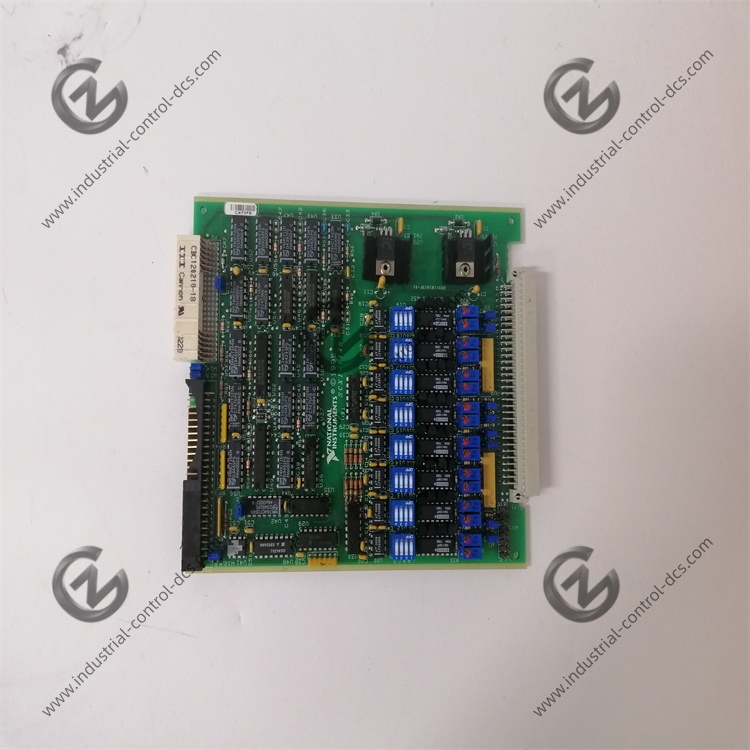
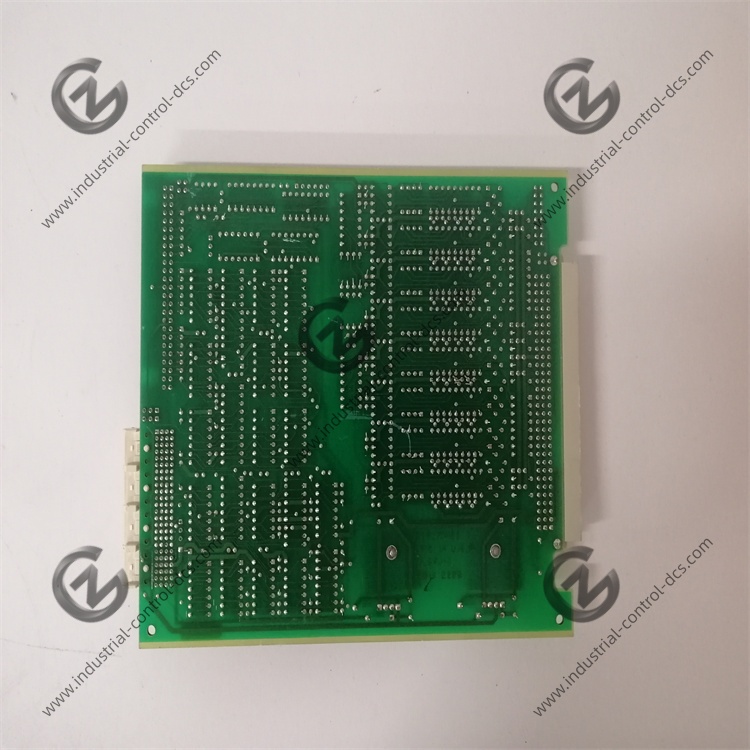
Description
Channel & Wiring Configuration
-
8-channel fully differential independent analog input
-
Per-channel discrete amplifier circuit, no shared gain components
-
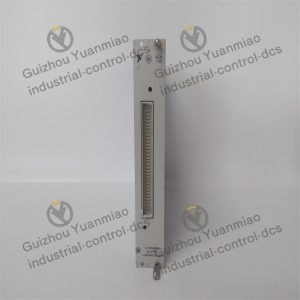
Rear 96-pin shielded DIN connector for terminal block connection
-
All channels multiplexed to one DAQ analog input channel via SCXI backplane
-
Jumper configurable bias resistance for floating signal grounding
Programmable Gain & Input Range
-
Software-selectable gain multiples: ×1, ×2, ×5, ×10, ×20, ×100, ×500
-
Max differential input range: ±10 V across all gain settings
-
Minimum measurable input: ±20 mV at ×500 maximum gain
-
Slew rate: 15 V/μs for fast transient signal response
Bandwidth & Noise Parameters
-
Full-power signal bandwidth: 2 MHz (-3dB)
-
Input voltage noise density: 12 nV/√Hz
-
Output voltage noise density: 75 nV/√Hz
-
Channel crosstalk: <-85 dB at 1 kHz, <-60 dB at 100 kHz
Key Electrical Specifications
-
Input impedance: 100 MΩ parallel with 20 pF per channel
-
60Hz CMRR: >110 dB; 1kHz CMRR: >100 dB
-
Overvoltage protection: ±30 VDC powered on, ±15 VDC powered off
-
Backplane power consumption: 3.4 W typical operating power
-
Channel-to-channel isolation: 250 Vrms continuous isolation
Mechanical & Environmental Specifications
-
Dimension: 172×86×32 mm, standard single-slot SCXI module
-
Operating temperature: -20℃ ~ +70℃
-
Storage temperature: -40℃ ~ +85℃
-
Humidity: 10%–90% non-condensing
Compatibility Matching List
-
Matched terminal block: SCXI-1304 AC/DC coupling terminal block
-
Compatible chassis: SCXI-1000, SCXI-1001
-
Compatible controllers: SCXI-1600, PCI/PXI SCXI bus adapters
-
Official status: Obsolete, supplied for aftermarket replacement
Software Compatibility
-
Drivers: NI-DAQmx, Traditional NI-DAQ
-
Configuration tools: NI Measurement & Automation Explorer (MAX)
-
Supported software: LabVIEW, LabWindows/CVI, Python DAQmx, C#
Pros & Limitations
-
Pros: Wide 2 MHz dynamic bandwidth, ultra-low input noise, independent per-channel amplification, flexible AC/DC signal support via matched terminal block, robust common-mode interference suppression
-
Limitations: No onboard anti-aliasing filter, no built-in cold junction compensation, not applicable for direct thermocouple low-frequency measurement
Reviews
There are no reviews yet.