

Description
Channel & System Configuration
-
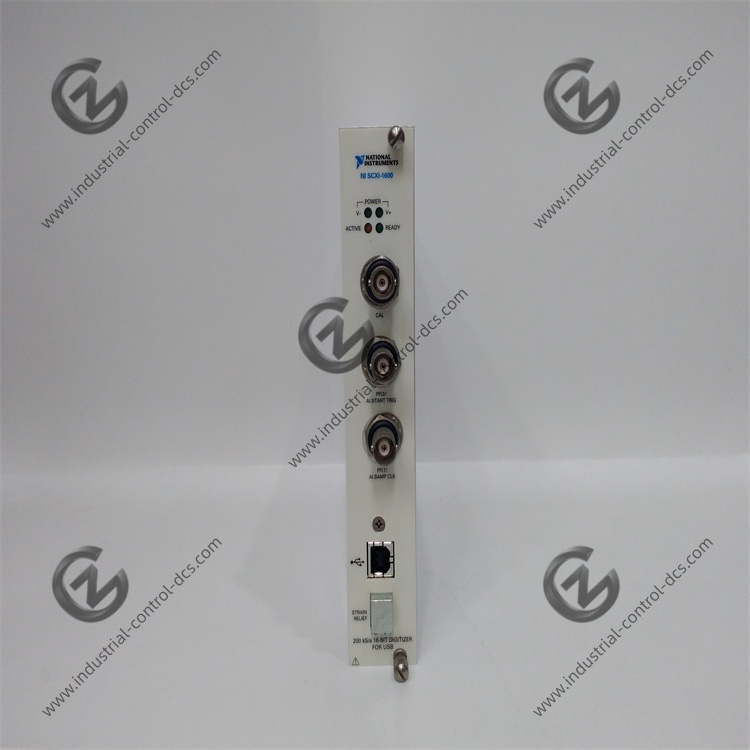
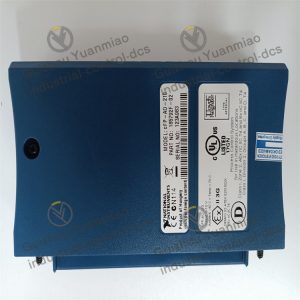
Host controller for standard 4-slot/8-slot SCXI chassis
-
Supports max 352 analog input channels via cascaded SCXI conditioning modules
-
Dual wiring modes: single-ended / fully differential analog input
-
Built-in 24-channel bidirectional digital I/O for auxiliary logic control
Programmable Input Parameters
-
Native input voltage range: ±10 V
-
Programmable gain multiples: ×0.5, ×1, ×10, ×100
-
Minimum measurable input: ±50 mV (at ×100 gain)
-
ADC resolution: 16-bit bipolar resolution
Timing & Trigger Specifications
-
Maximum aggregate sampling rate: 200 kS/s across all multiplexed channels
-
Trigger modes: analog edge trigger, digital software/hardware trigger
-
External clock input via front BNC connector for synchronous sampling
-
No onboard analog low-pass filters (filters configured via front-end SCXI modules)
Key Electrical Specifications
-
Input impedance: >10 MΩ
-
60Hz CMRR: >105 dB
-
Absolute accuracy: 0.024% FSR at 1-year calibration cycle
-
Overvoltage protection: ±30 VDC transient input protection
-
Power supply: Bus-powered via USB 2.0, no external adapter required
-
Built-in temperature sensor for drift compensation and self-calibration
Mechanical & Environmental Specifications
-
Front interface: USB 2.0 Type-B port, 3 dedicated BNC connectors
-
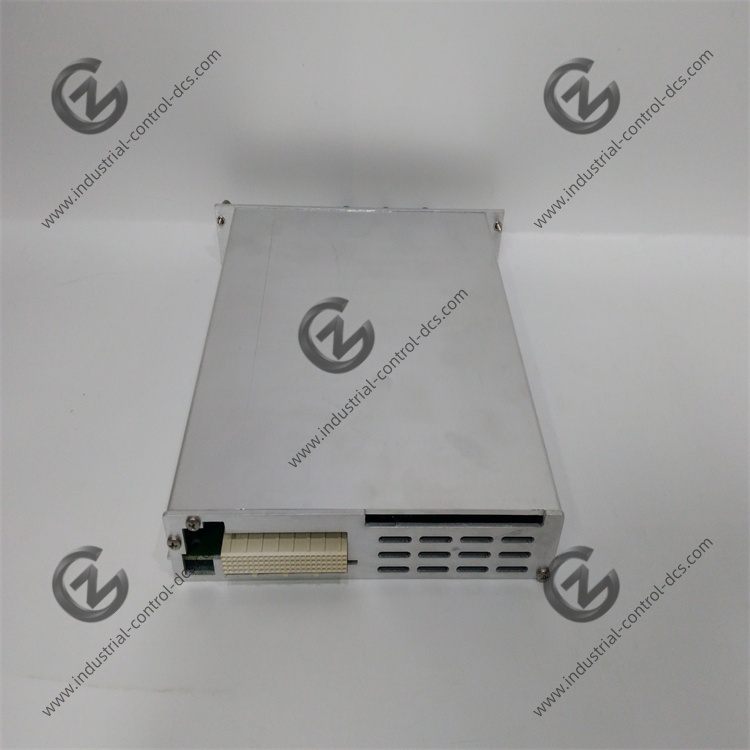
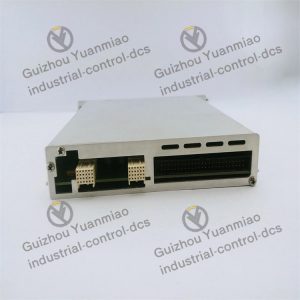
Back interface: Standard SCXI chassis backplane connector
-
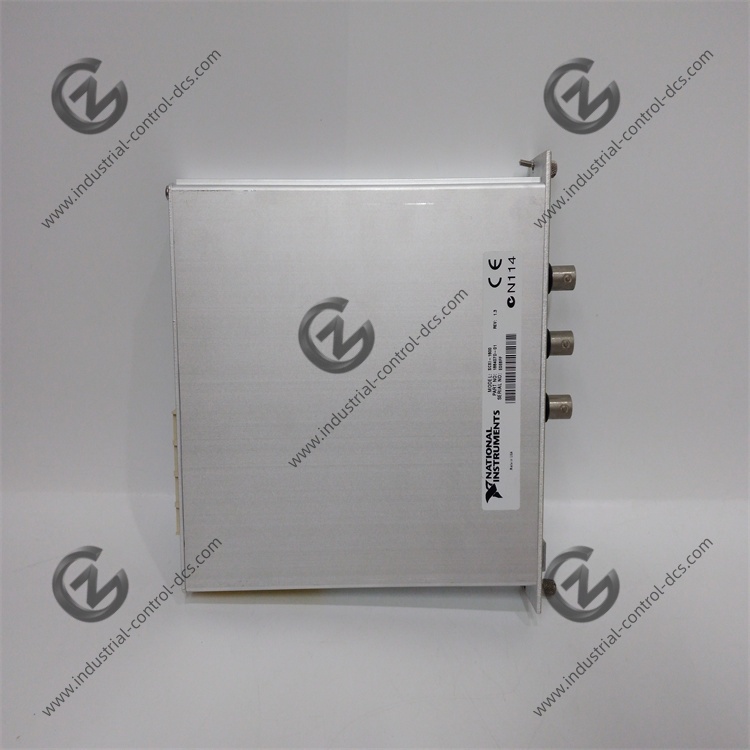
Dimension: 172×86×32 mm (standard SCXI module size)
-
Operating temperature: 0℃ ~ +55℃, humidity: 10%–80% non-condensing
Software Compatibility
-
Drivers: NI-DAQmx (latest compatible version), Traditional NI-DAQ
-
Supported software: LabVIEW, LabWindows/CVI, Python DAQmx, C#, C++
Pros & Limitations
-
Pros: PCI-free USB connection, wide SCXI module compatibility, built-in triggering and calibration, portable desktop measurement solution, low deployment cost
-
Limitations: Not suitable for high-speed dynamic synchronous sampling, limited by USB bandwidth, no isolated input design
Reviews
There are no reviews yet.