

Description
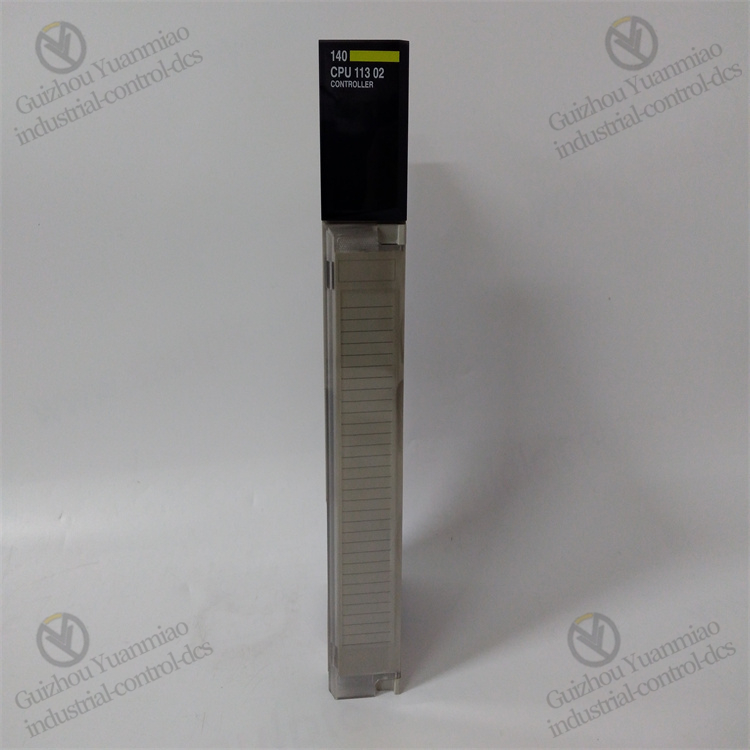
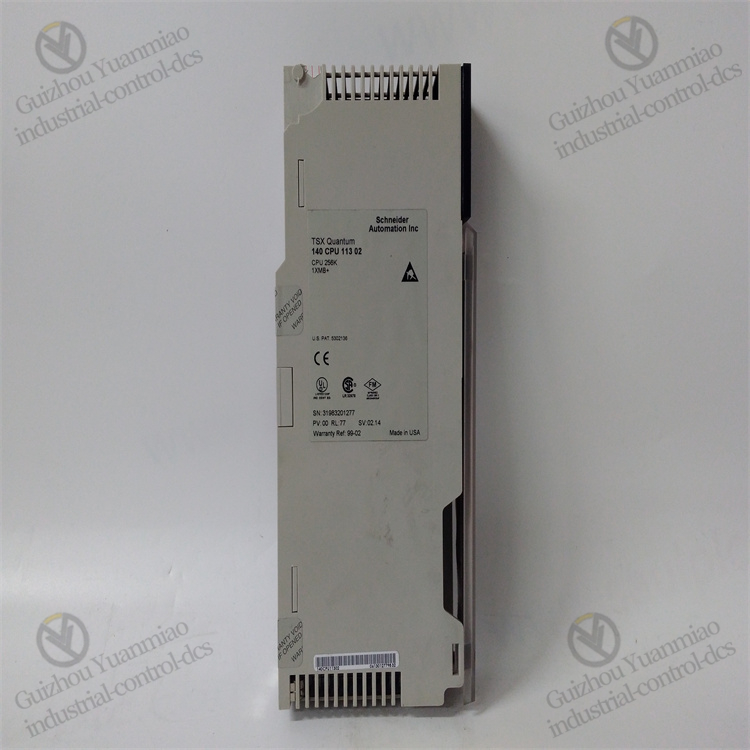
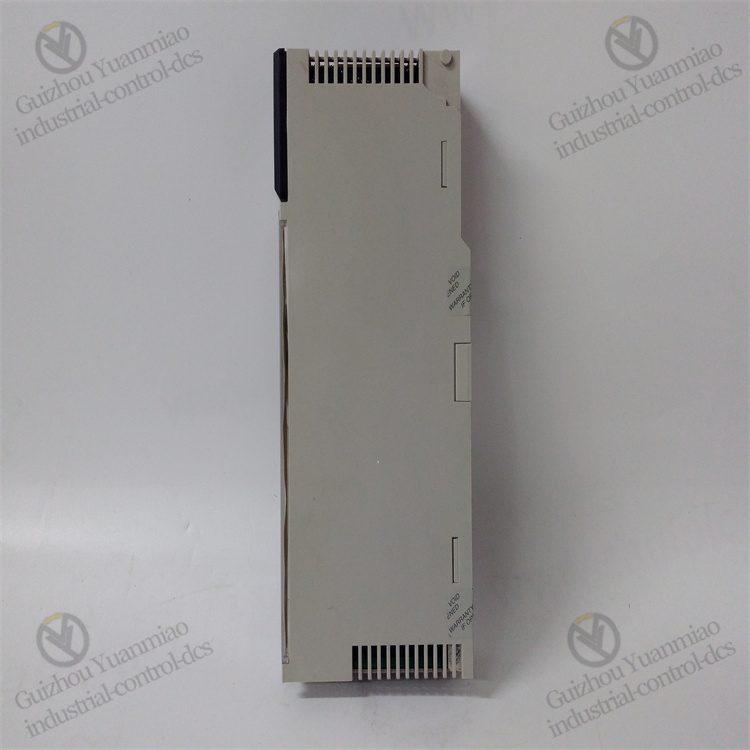
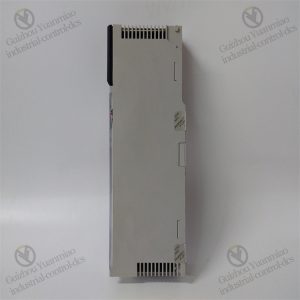
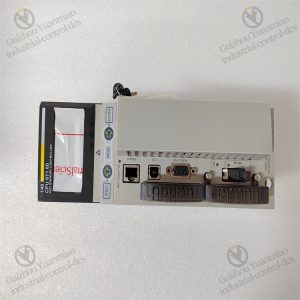
Schneider 140CPU11302 core processor module
Performance parameters:
Storage capacity: Built-in 256K RAM and 8K user logical storage space, among which the available internal RAM space is 109KB.
Processing speed: The clock frequency is 20MHz, the scanning time is 0.3-1.4ms/k, and it can quickly perform logical operations, timing control and arithmetic operations.
Communication capability: Integrates 1 Modbus Plus port and 1 Modbus RS232 port, supports 3 distributed networks and 2 remote networks, and supports up to 63 distributed nodes and 31 remote nodes at most.
Power supply requirements: Support 24V DC or 110/220V AC (compatible with the power module), bus current 780mA.
I/O points: Maximum local 64I/64O, distributed 30I/32O.
Functional features:
Modular architecture: It is necessary to insert the Quantum local I/O backplane (such as 140XBP01000), supporting distributed I/O expansion and remote network configuration, and the system can be flexibly built according to actual needs.
High reliability: Equipped with a 1.2AH lithium battery, it has a lifespan of approximately 10 years and can retain data in case of power failure. Supports watchdog timer, has passed CE certification, and can operate stably in industrial environment temperatures ranging from -25 ℃ to 60℃ and humidity conditions of 5% to 95%.
Programming method: This model of CPU does not support Unity programming software and requires the use of Concept programming software for programming.
Application case:
CNC machine tool control: It can be used to control the coordinate axis movement, spindle speed, etc. of CNC machine tools. By precisely processing the position and speed signals fed back by sensors, high-precision cutting processing is achieved, improving the processing accuracy of parts and production efficiency, and ensuring the stability of processing quality.
Chemical reactor control: In chemical production, it is used for temperature regulation of chemical reactors, data collection and feedback control of pressure sensors. Real-time monitoring of parameters such as temperature and pressure inside the reaction vessel is carried out. According to the set values, the heating or cooling device and the feed valve, etc. are automatically adjusted to ensure that the reaction proceeds under safe and stable conditions and prevent safety accidents caused by abnormal temperature and pressure.
Textile machinery operation management: It can be applied in textile machinery to manage the movement rhythm of looms. By collecting data from yarn tension sensors, the operation parameters of looms can be adjusted in real time to ensure the stability of yarn tension. At the same time, it can also monitor the operation status of the equipment, promptly detect and alarm faults, reduce downtime, and improve the quality and production efficiency of textiles.
Intelligent control of elevators: In the elevator control system, the 140CPU11302 can achieve intelligent control of elevators. It can handle floor call signals, car position signals, etc., control the start and stop of the elevator, floor selection, floor leveling accuracy, etc. It can also cooperate with the elevator’s safety protection system to ensure the safety and reliability of elevator operation and provide passengers with a comfortable riding experience.
Power system energy consumption monitoring: Integrated into the power distribution system, it is used to monitor the energy consumption of equipment such as frequency converters and motors. By collecting parameters such as current and voltage in real time, calculating energy consumption data, and uploading the data to the power management system, it helps staff understand the power usage situation, achieve rational allocation and management of energy, and reach the goal of energy conservation and consumption reduction.
Water treatment control: In water treatment plants, it can be used to control the operation of water treatment equipment, such as the start and stop of water pumps, the opening and closing of valves, as well as monitor water quality parameters (such as pH, turbidity, etc.) and water level during the water treatment process. Automatically adjust the dosing device, filtration equipment, etc. according to the water quality and water level to ensure the stability of the tap water production process and that the effluent quality meets the standards.
Reviews
There are no reviews yet.