

Description
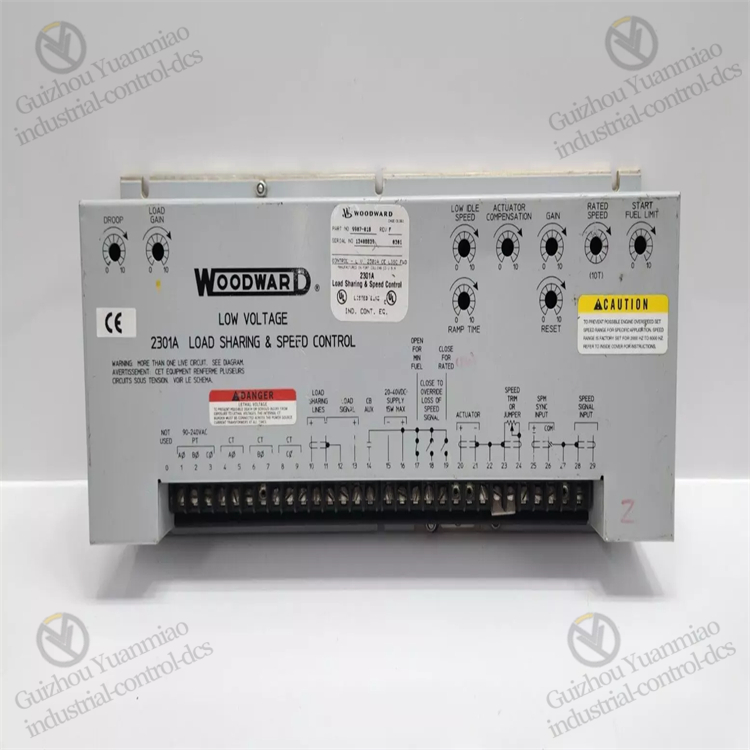
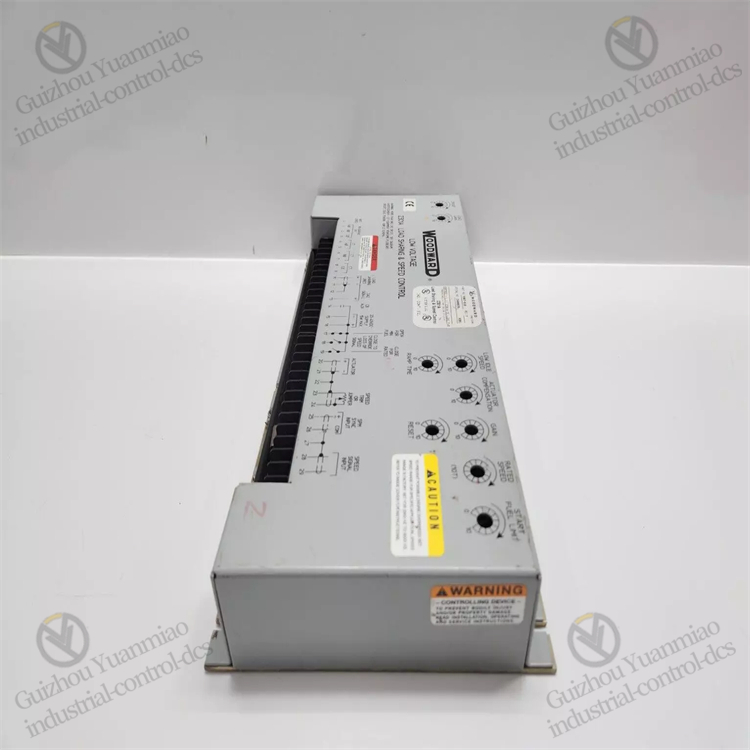
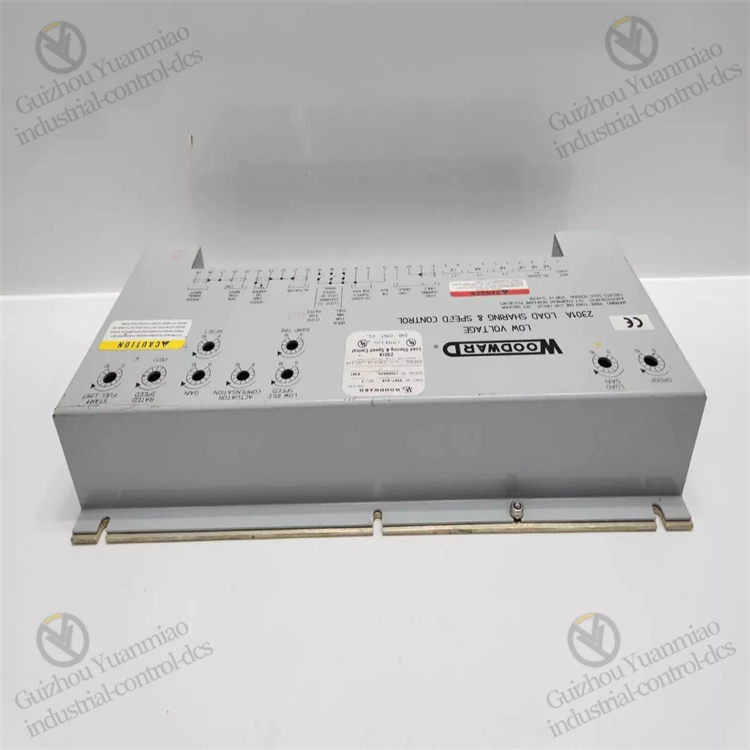
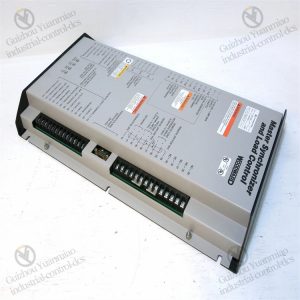
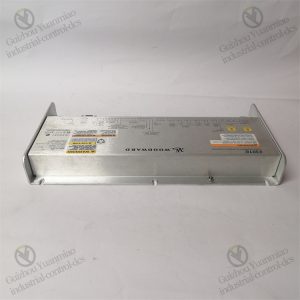
Woodward 9907-018 Forward Action Speed control module
Working principle
Signal input and processing: This module can receive computer control signals of 4-20mA or 1-5Vdc. These signals represent the expected speed or load setting values. The module compares the input signal with the preset parameters inside, and then calculates and processes based on the difference to determine the adjustment amount that needs to be made to the equipment.
Control mode selection and adjustment: The module has two working modes: differential adjustment (Isoch.) and differential adjustment (Droop). In the differential regulation mode, the module will strive to keep the equipment running at a constant speed, which is suitable for single-machine operation or multiple prime movers acting together on an isolated power grid. The differential regulation mode can adjust the speed according to factors such as load changes in a certain proportional relationship, providing more control flexibility and being suitable for basic load control and various interlocking devices.
Output control signal: Based on the calculation and processing results, the module outputs a 0-200mA signal to control the Woodward EG, EGB, PB, TM and 2301 actuators, etc. This output signal is proportional to the fuel setting required to reach the desired speed or load, thereby precisely controlling the action of the actuator.
Actuator action and feedback: The actuator adjusts the fuel supply or other related parameters of the diesel engine, gas engine, steam turbine or gas turbine based on the received control signal, thereby changing the speed or load of the equipment. Meanwhile, some systems may have feedback mechanisms that feed back the actual rotational speed or load conditions of the equipment to the module, forming a closed-loop control to achieve more precise control effects.
Additional function assistance: The module also features synchronous or deceleration control, high-speed and low-speed adjustment, and fuel limit for overspeed start-up. For instance, the fuel limit function during the start-up process can restrict the fuel supply to protect the engine. These additional functions can further optimize the operating status and performance of the equipment based on actual operational requirements.
Application field
In the field of power generation: It can be used in generator sets driven by diesel engines, gasoline engines, steam turbines or gas engines, etc., to achieve speed and load distribution control. It can ensure the stable operation of the generator under different loads, maintain the stability of output voltage and frequency, and improve the quality of power supply. It is often used in various power plants as well as self-provided generator sets in factories, hospitals and other places.
In the field of industrial production: In the oil and gas industry, it can be used to control the speed of engines or turbines that drive compressors, pumps and other equipment, ensuring the stable operation of the production process. It is also applicable to equipment in industries such as steel, chemical engineering, and metallurgy that require precise speed control, such as blast furnace blowers and chemical reactor agitators, which helps to improve production efficiency and product quality.
In the field of transportation: In the ship power system, the speed of the ship engine can be controlled to maintain the optimal rotational speed under different navigation conditions, thereby improving fuel economy and navigation performance. In the railway field, it can be used for the speed control of railway locomotive engines to ensure the stability and accuracy of train operation speed and enhance the safety and comfort of train operation.
Other fields: It can also be applied in agricultural machinery, construction machinery, mining machinery and other equipment to adjust the speed of their engines or power units, so as to adapt to different working conditions and improve the working efficiency and reliability of the equipment.
Reviews
There are no reviews yet.